Bailey House (Case Study 21)

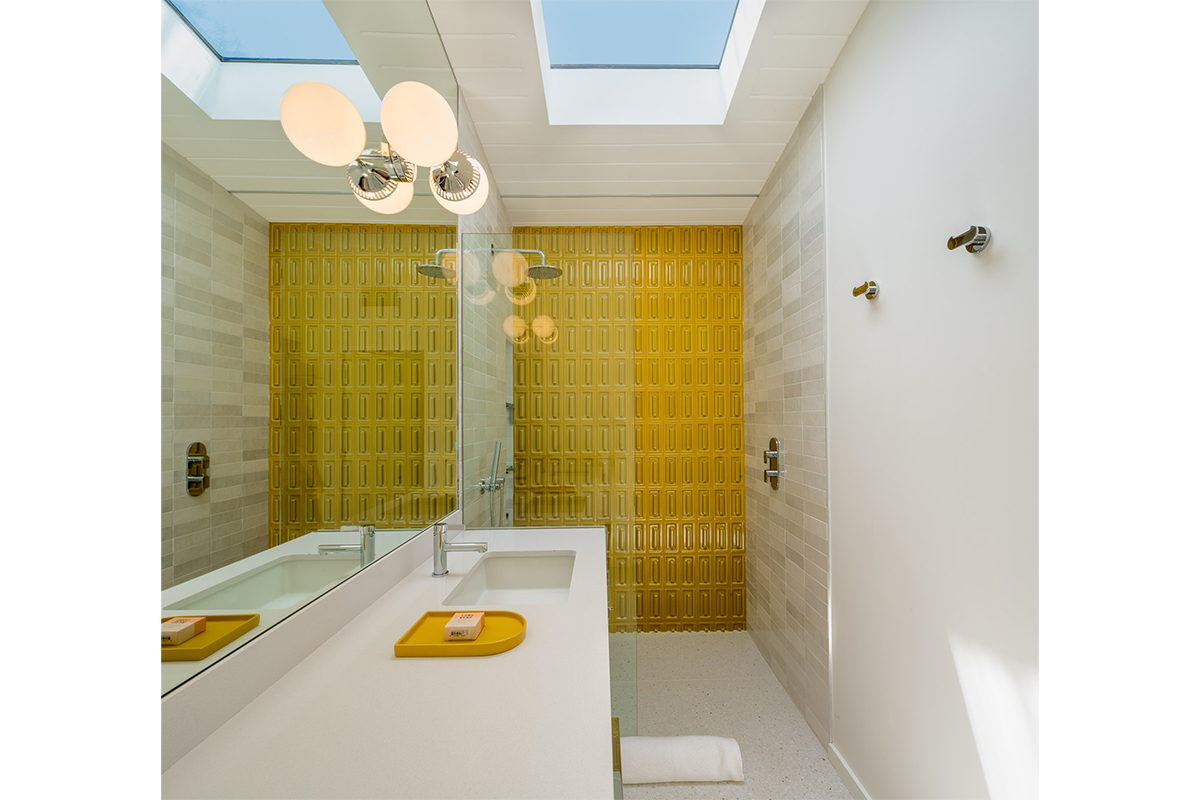
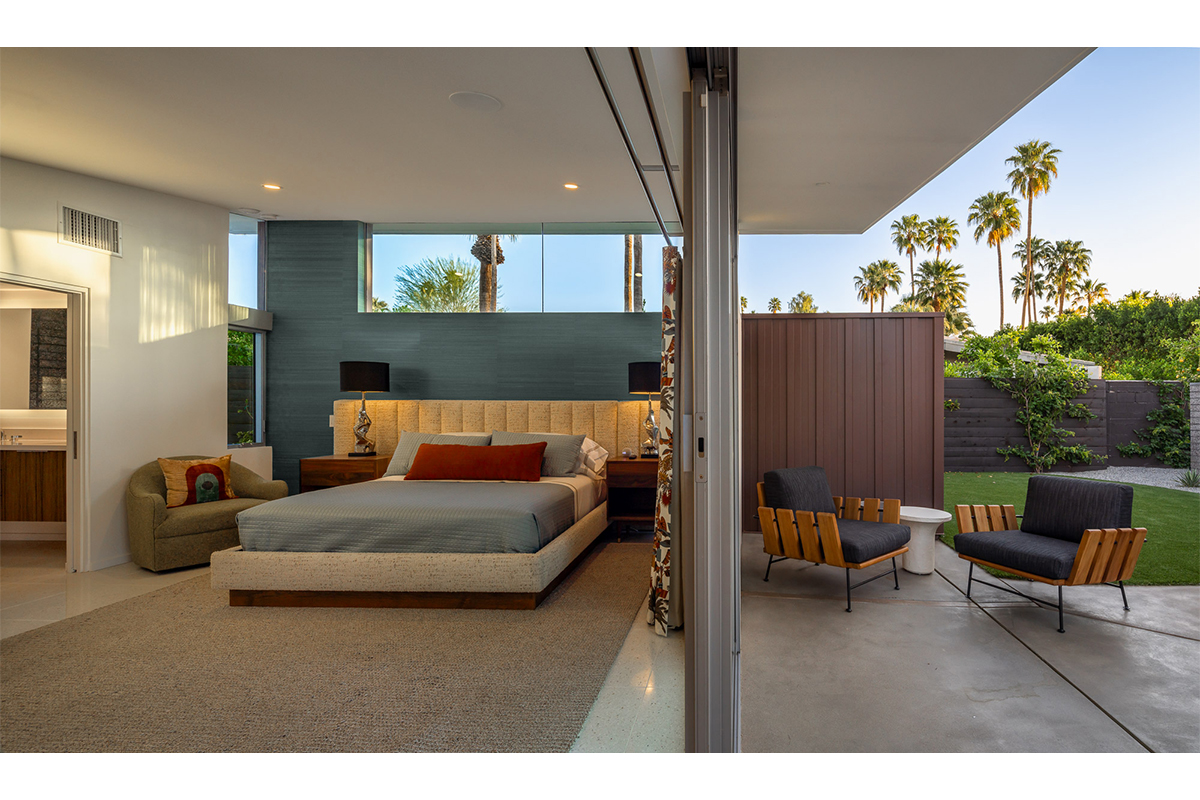
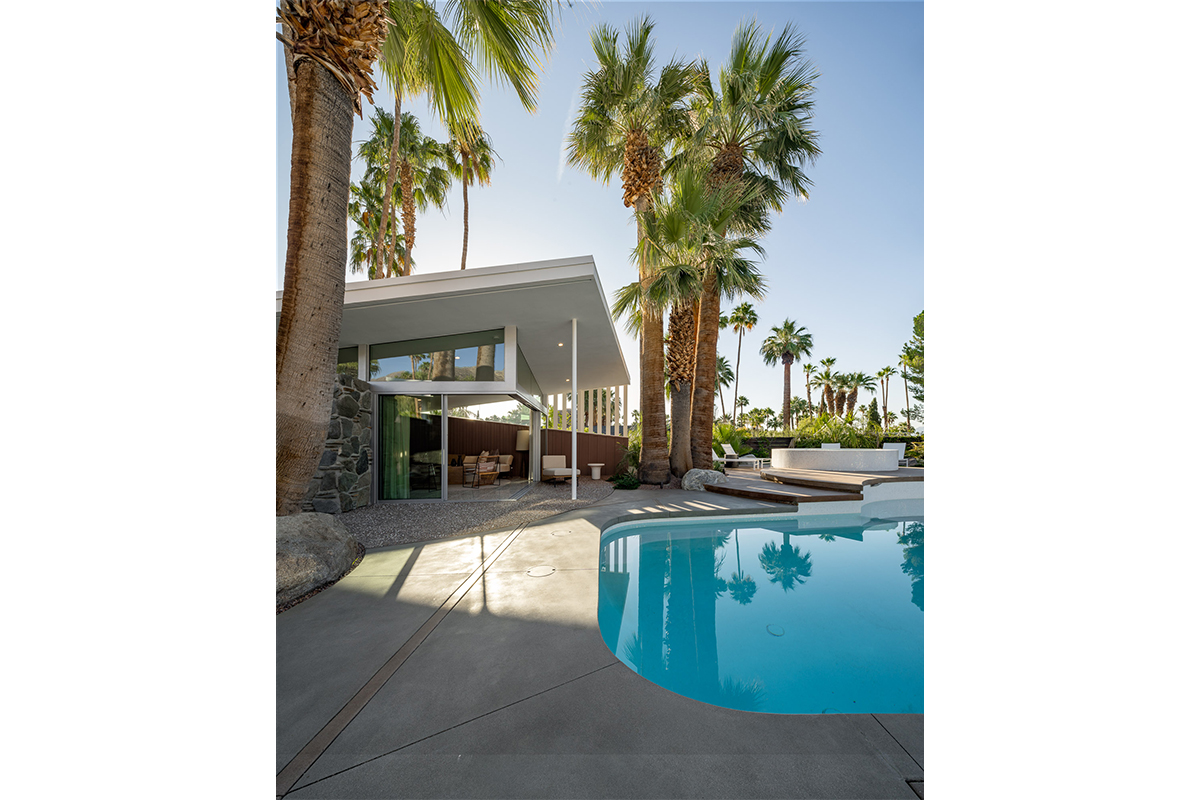
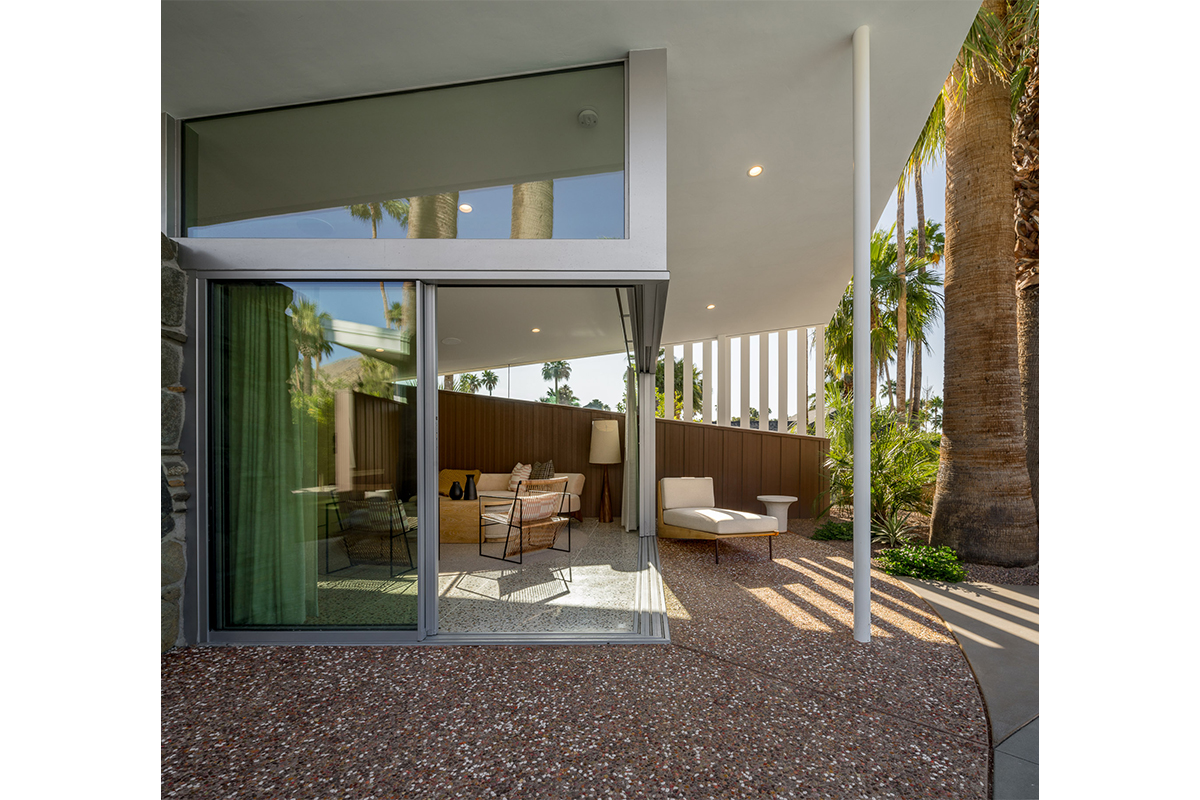
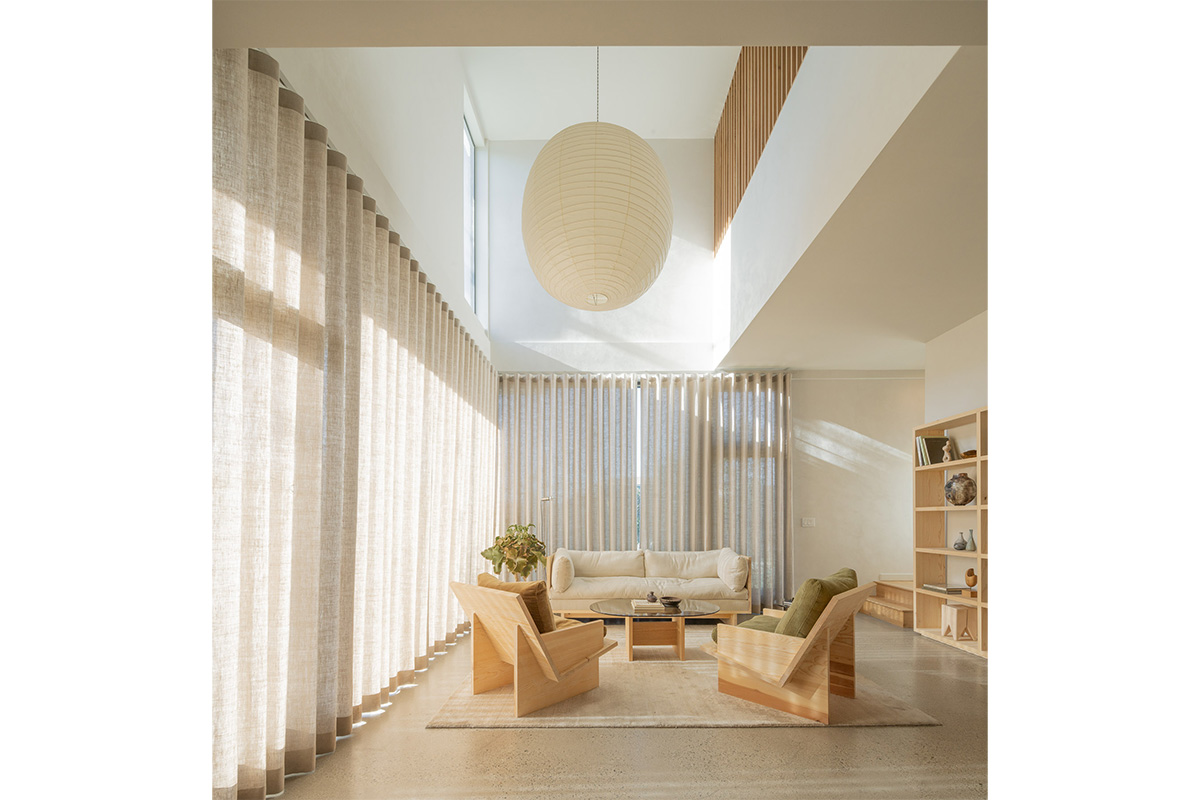
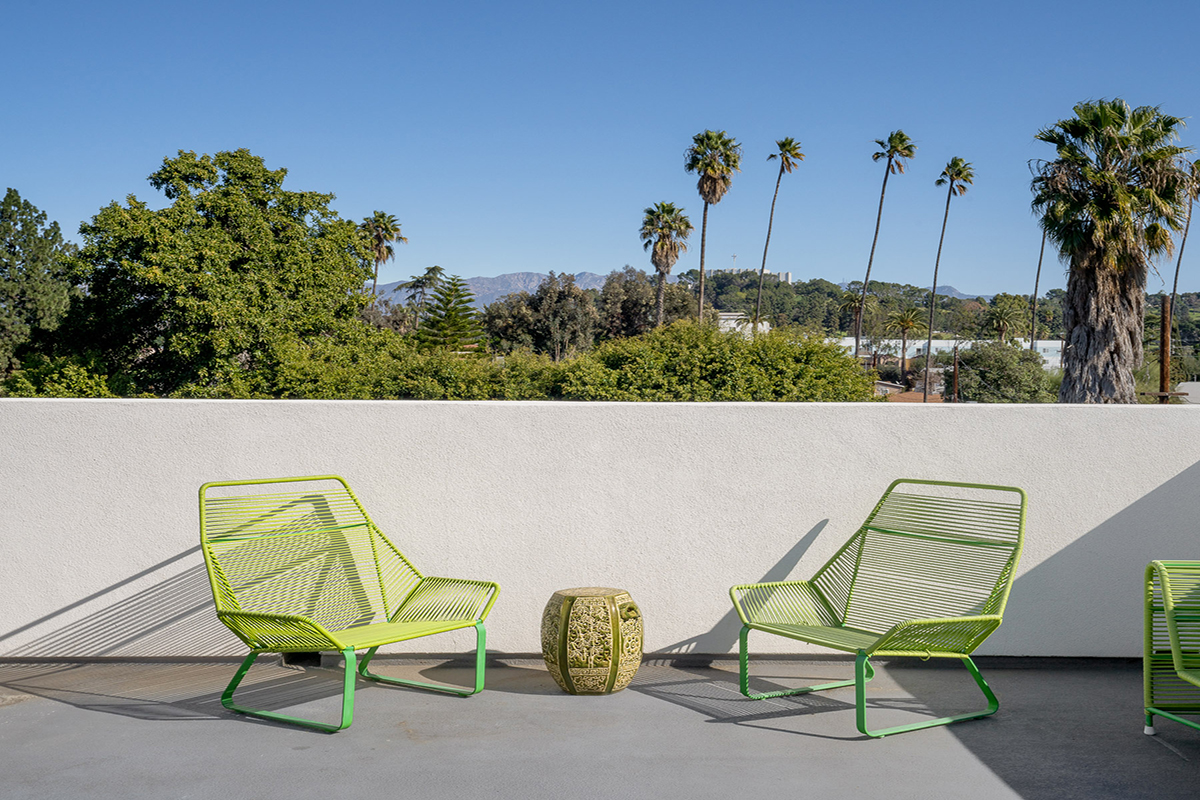
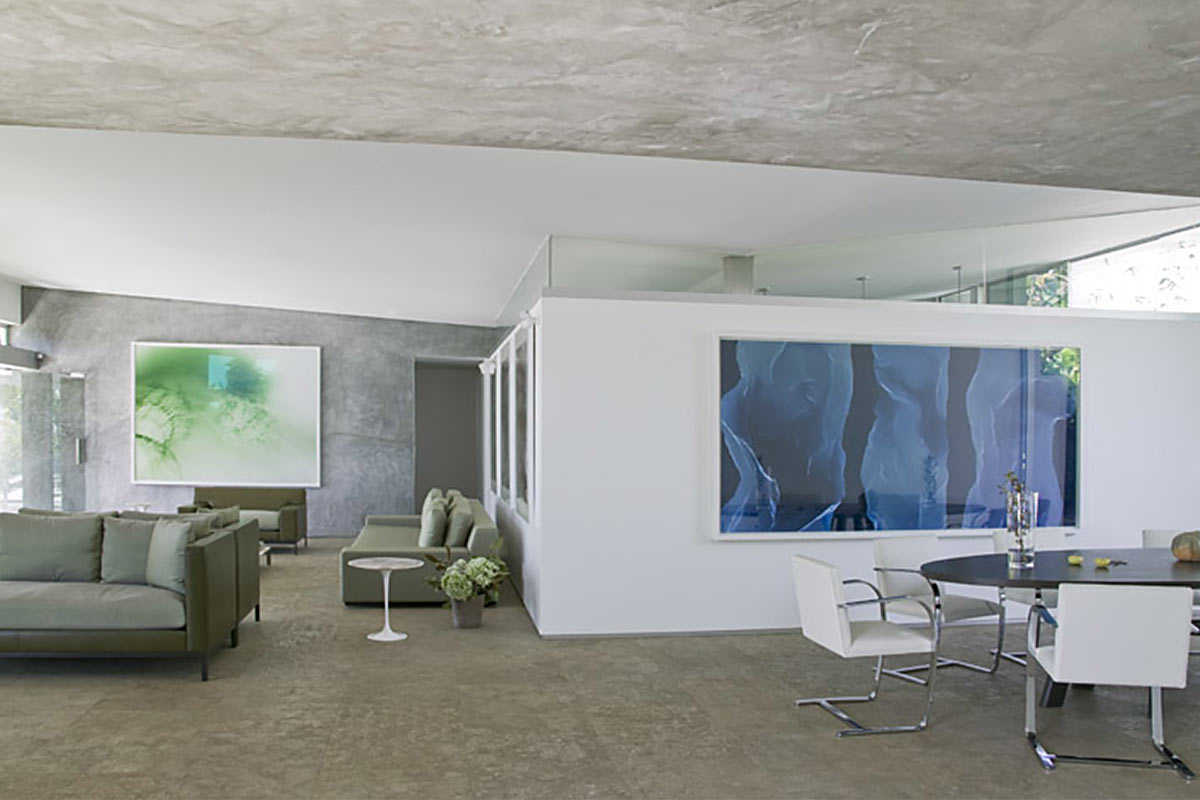
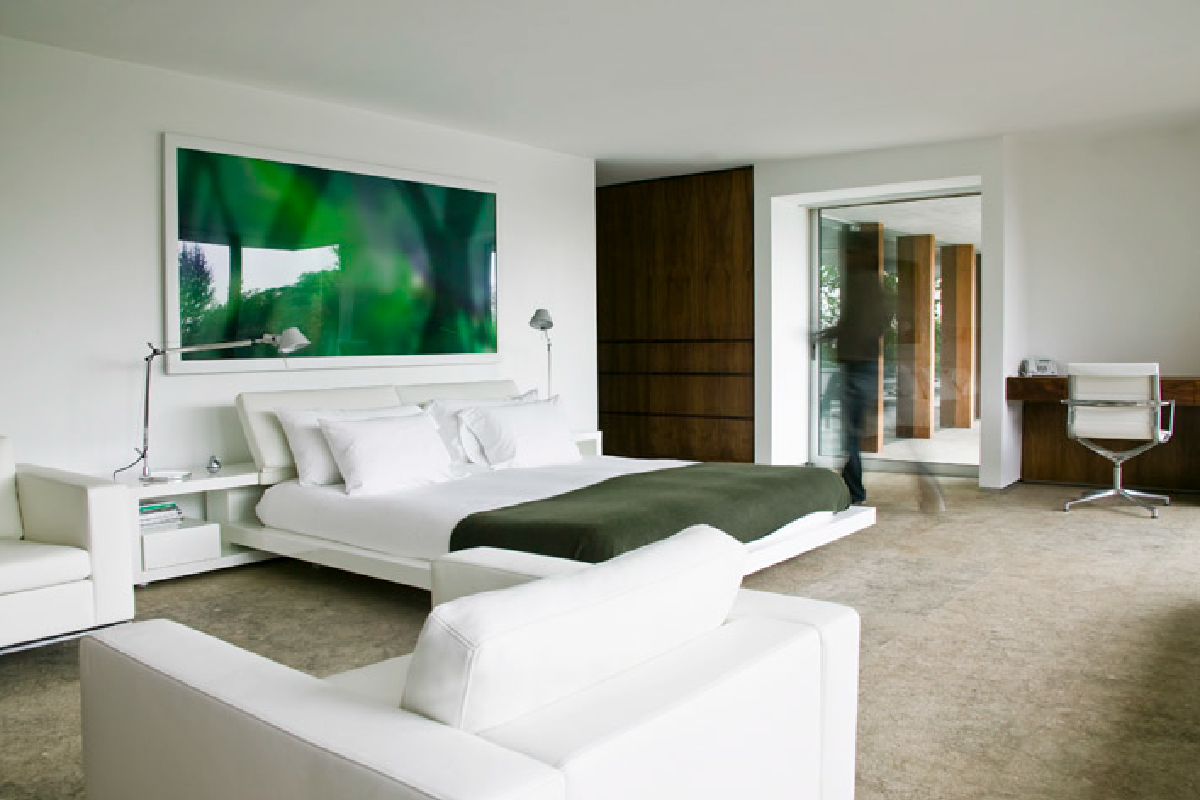
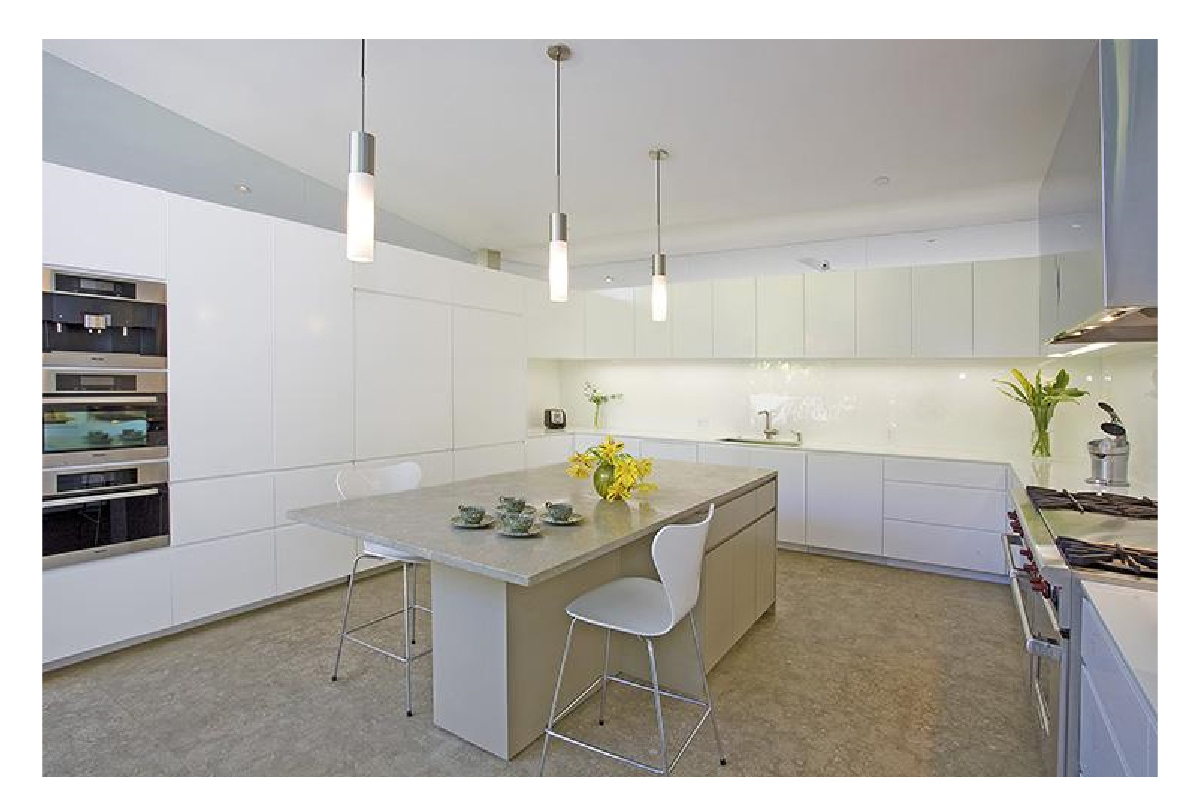
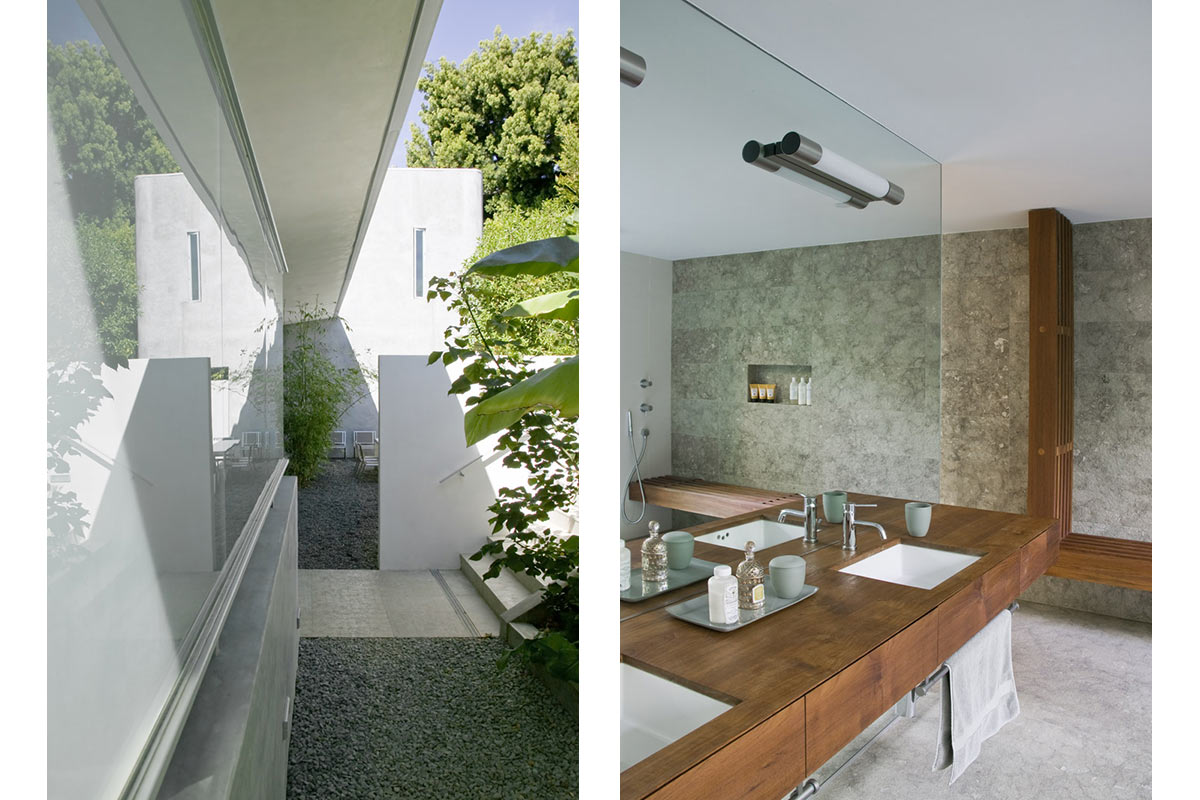
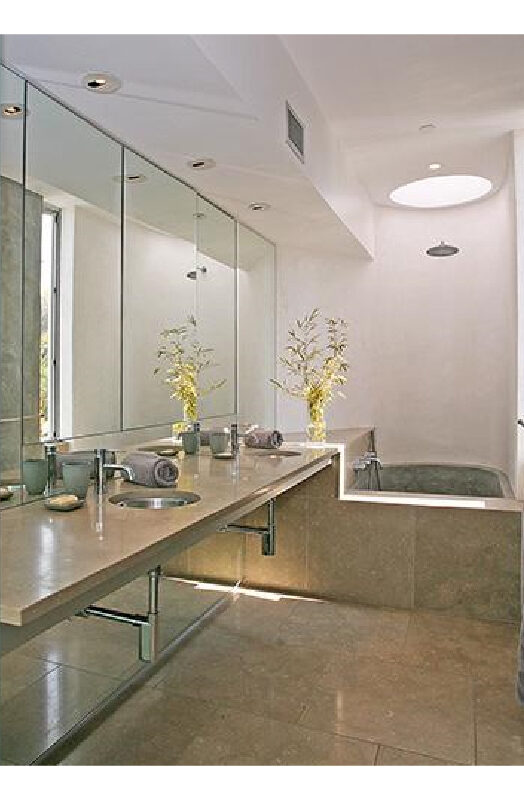
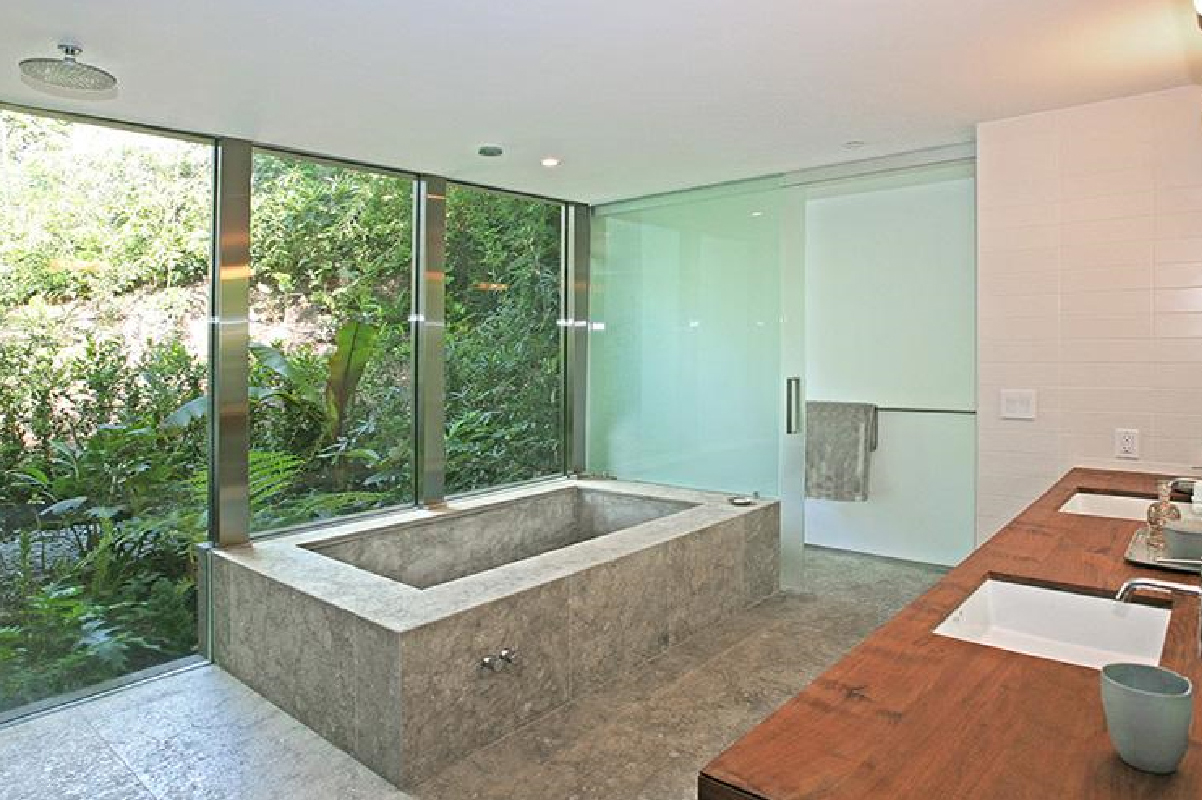
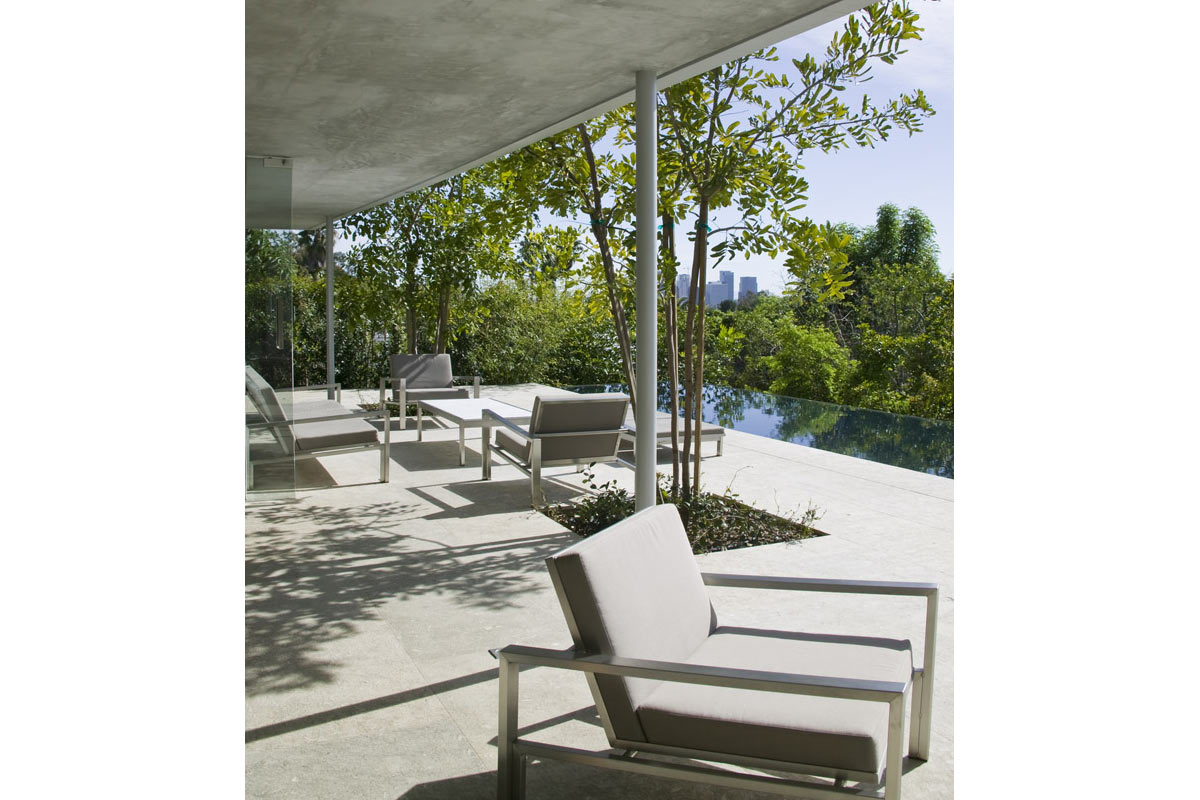
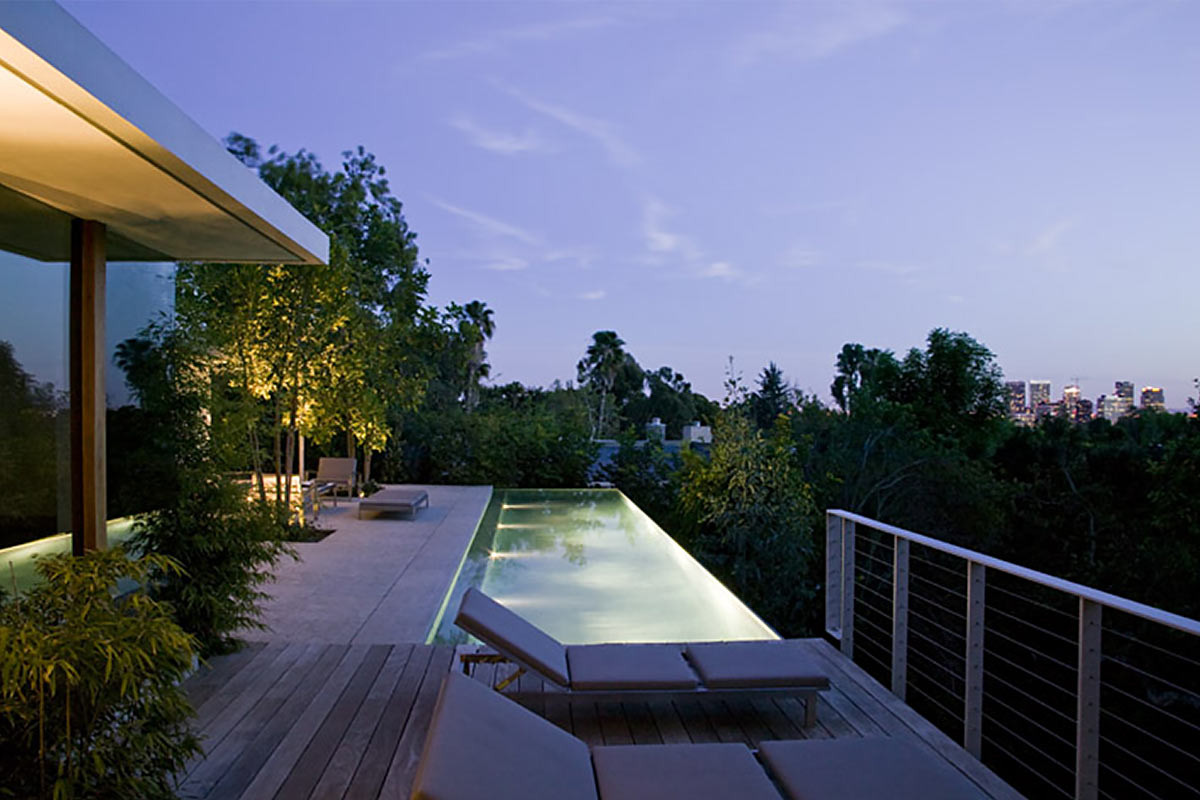
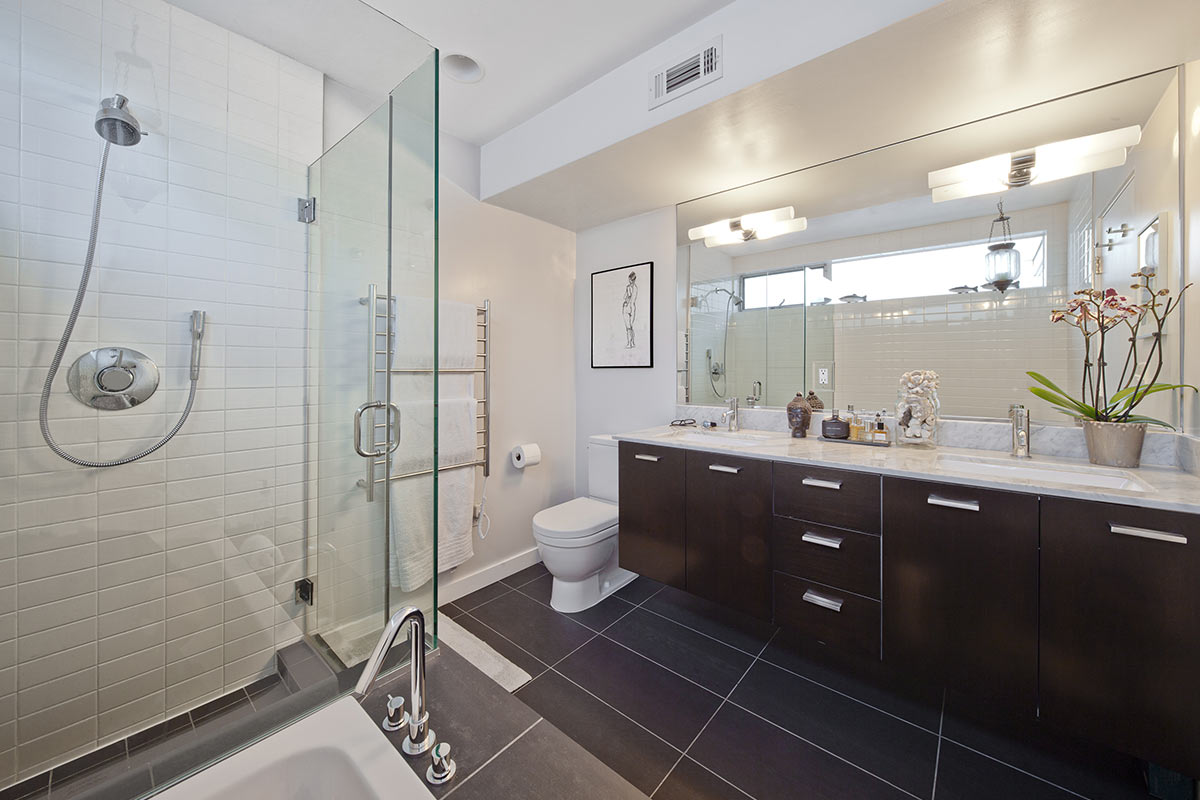
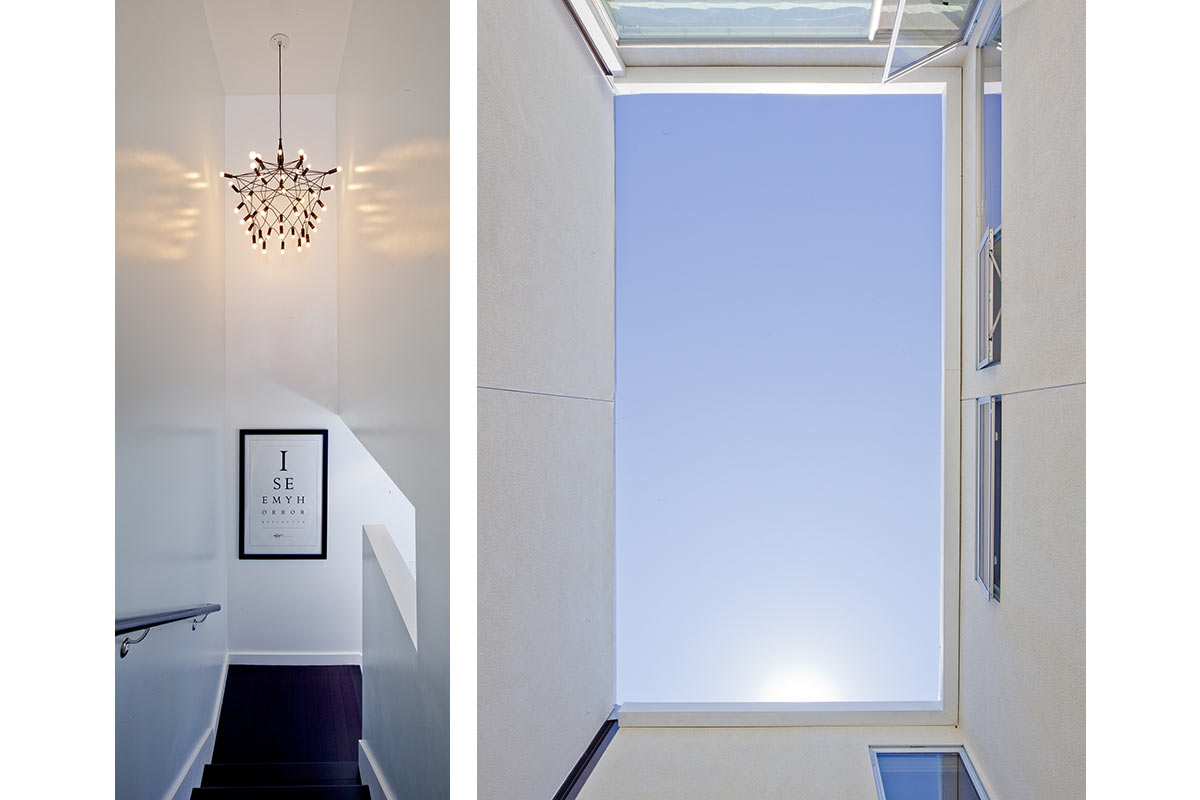
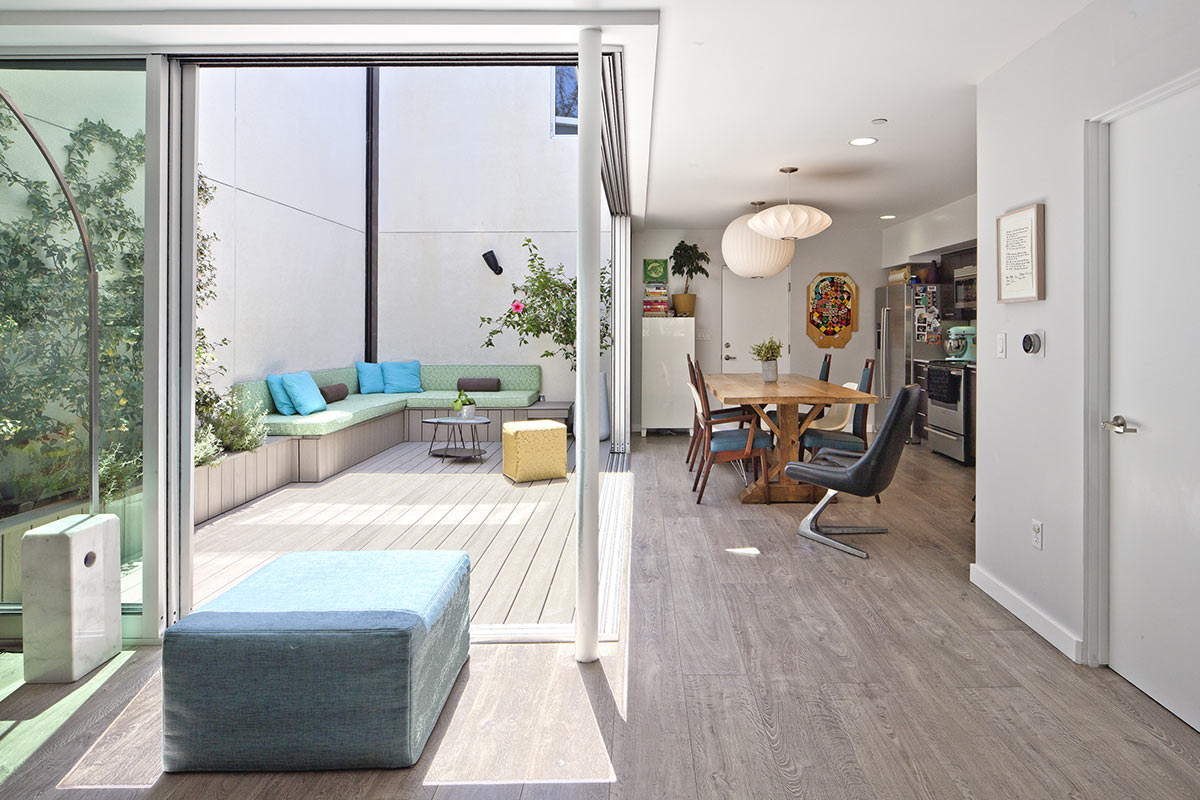
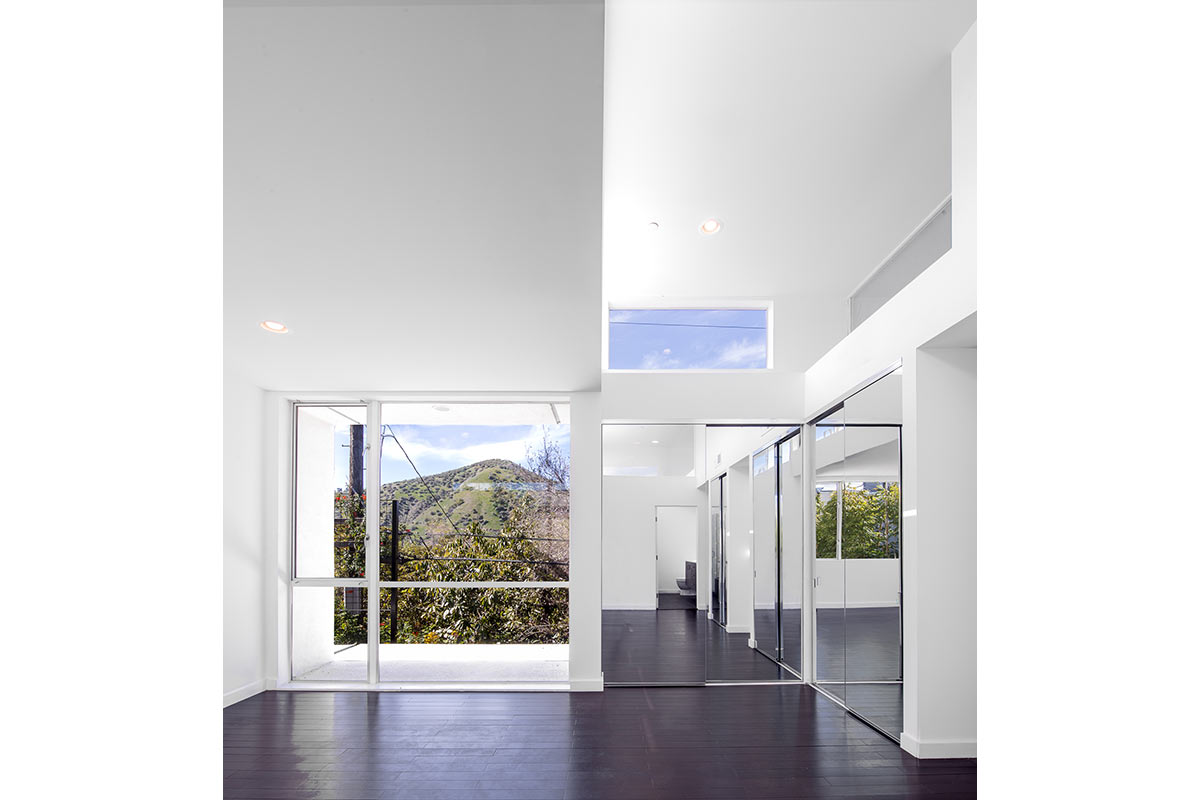
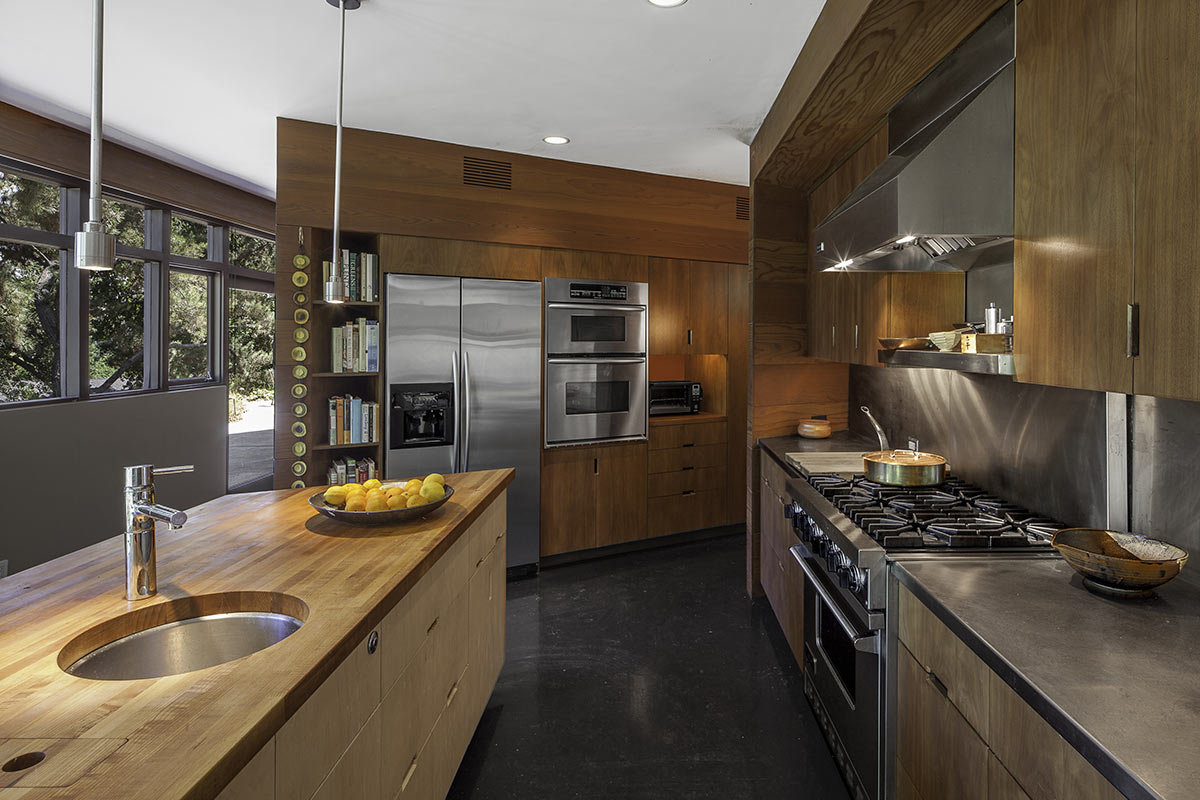
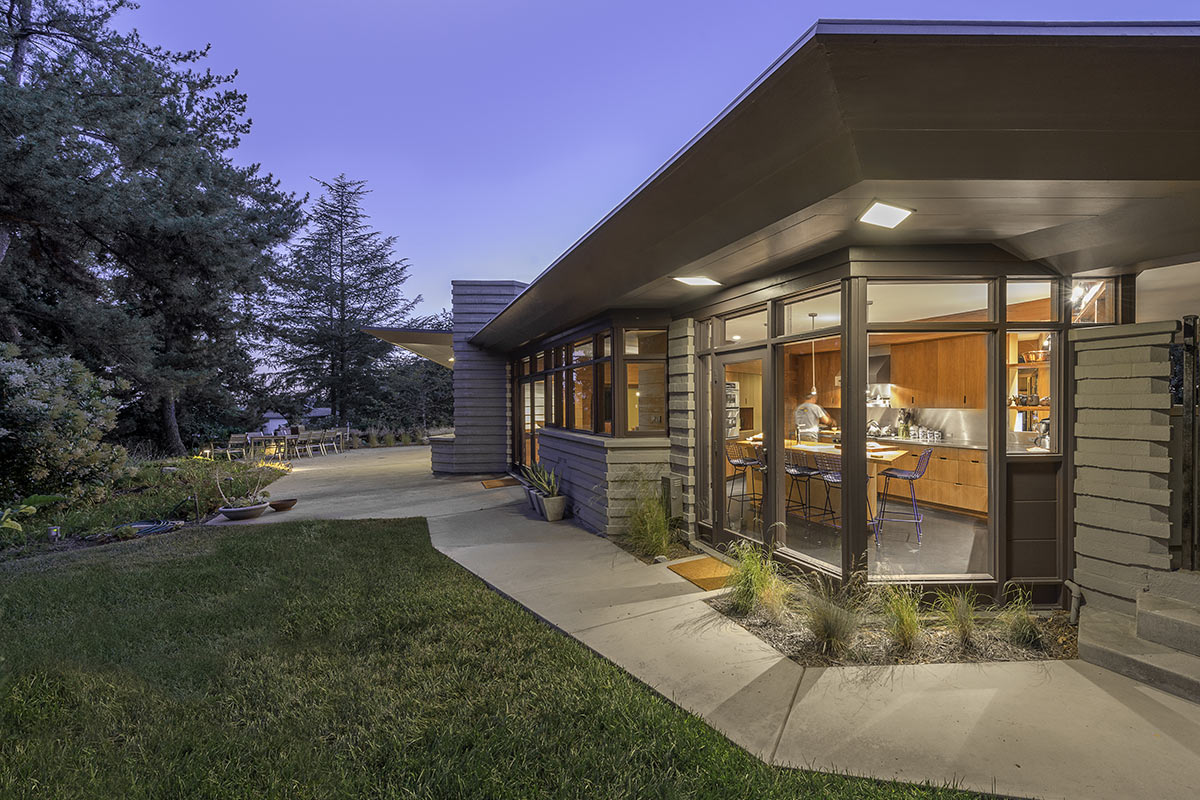
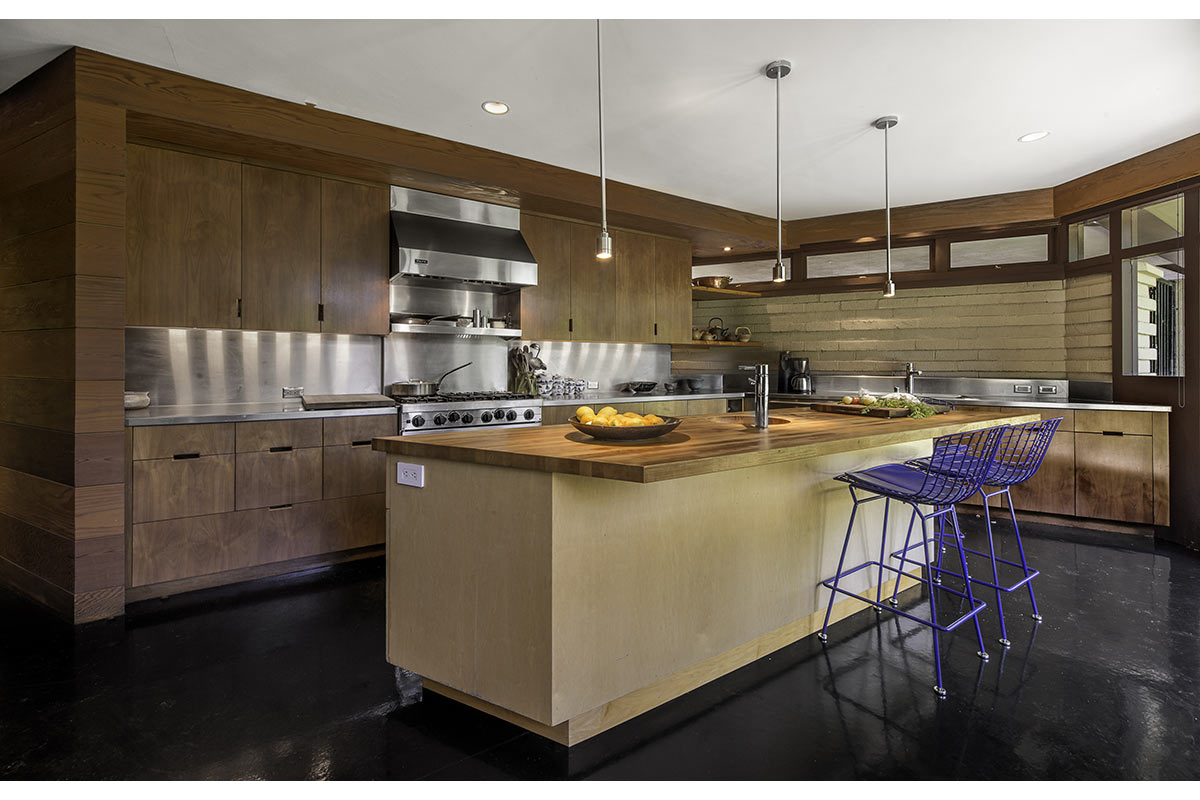
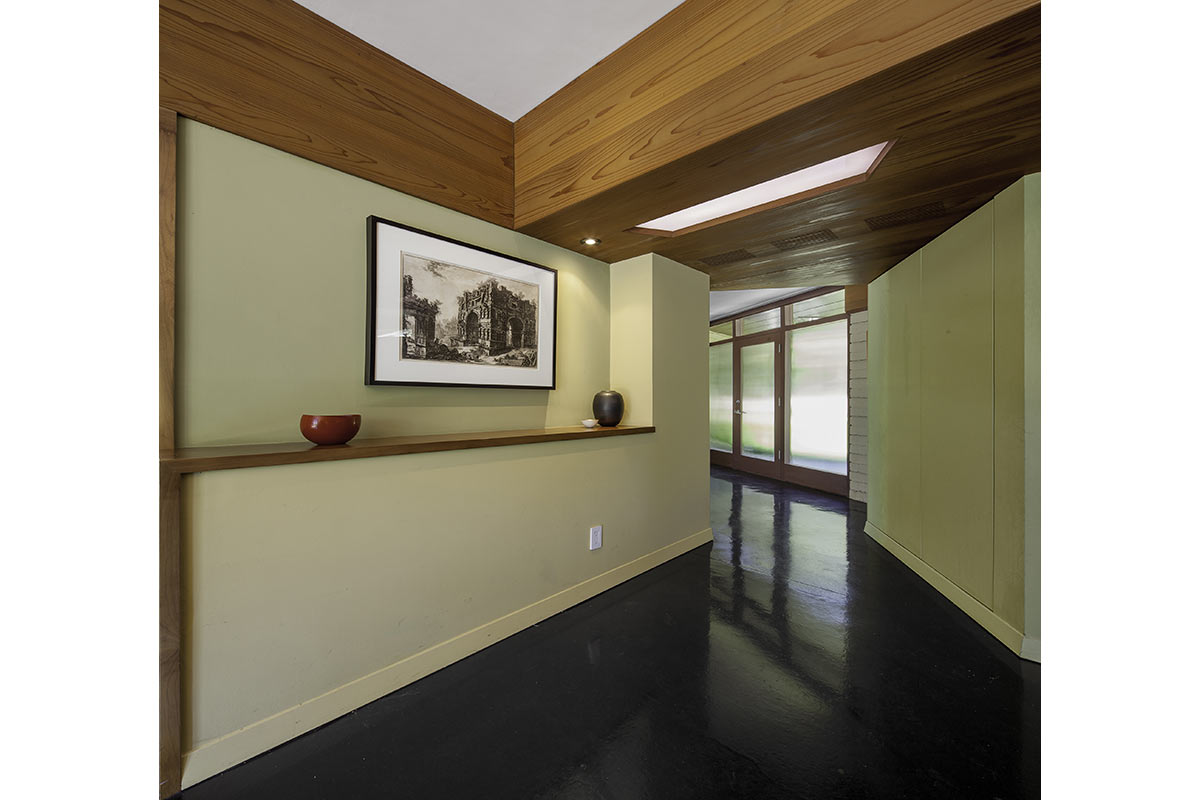
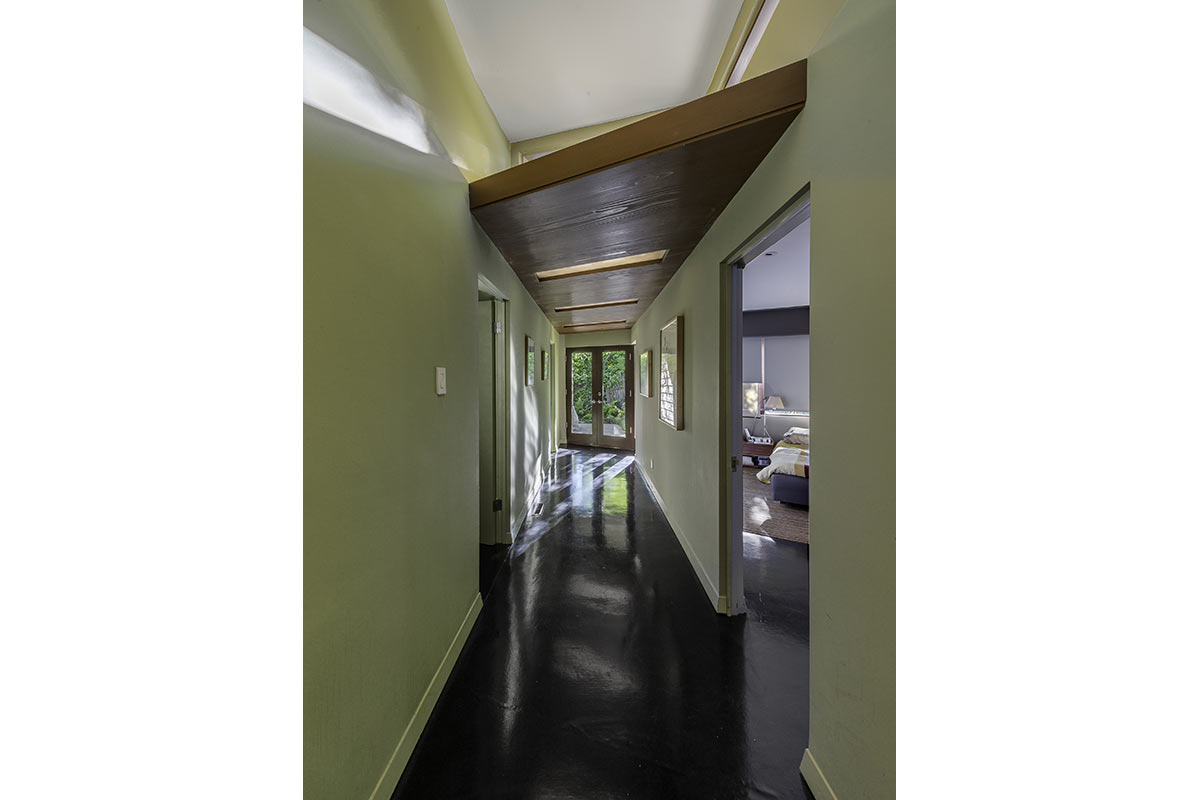
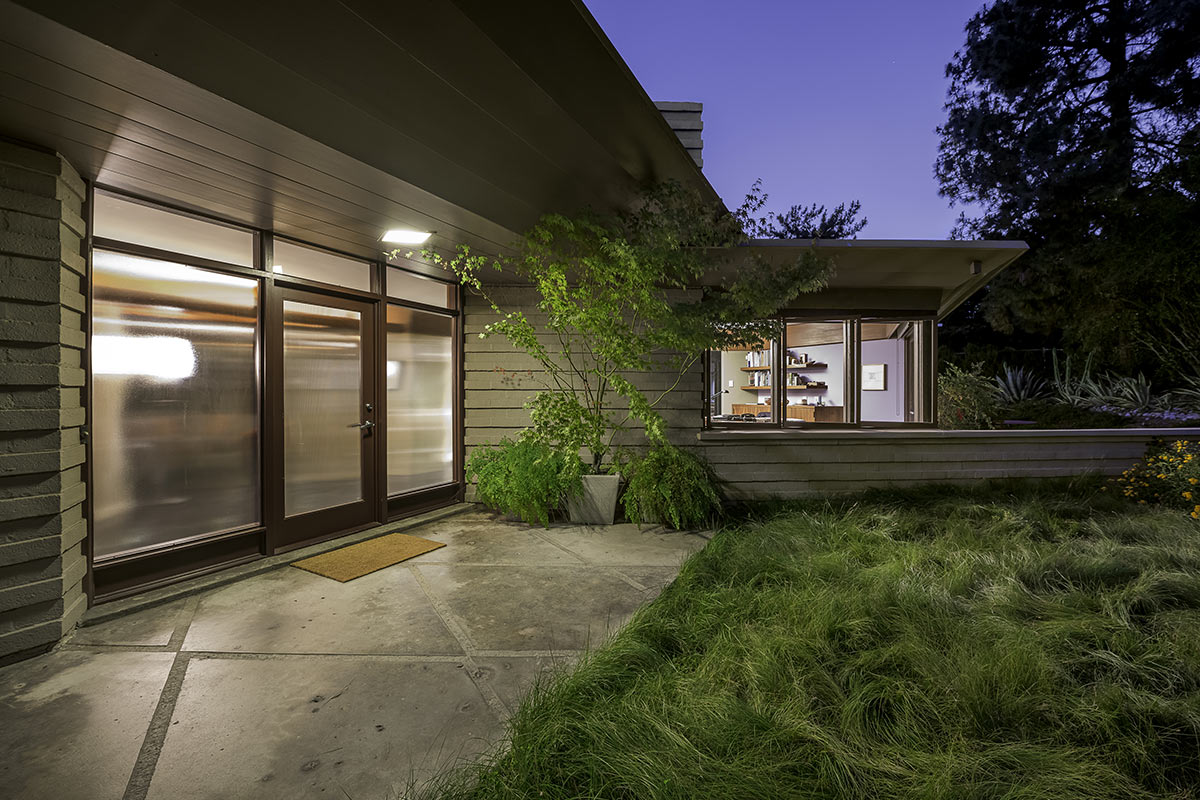
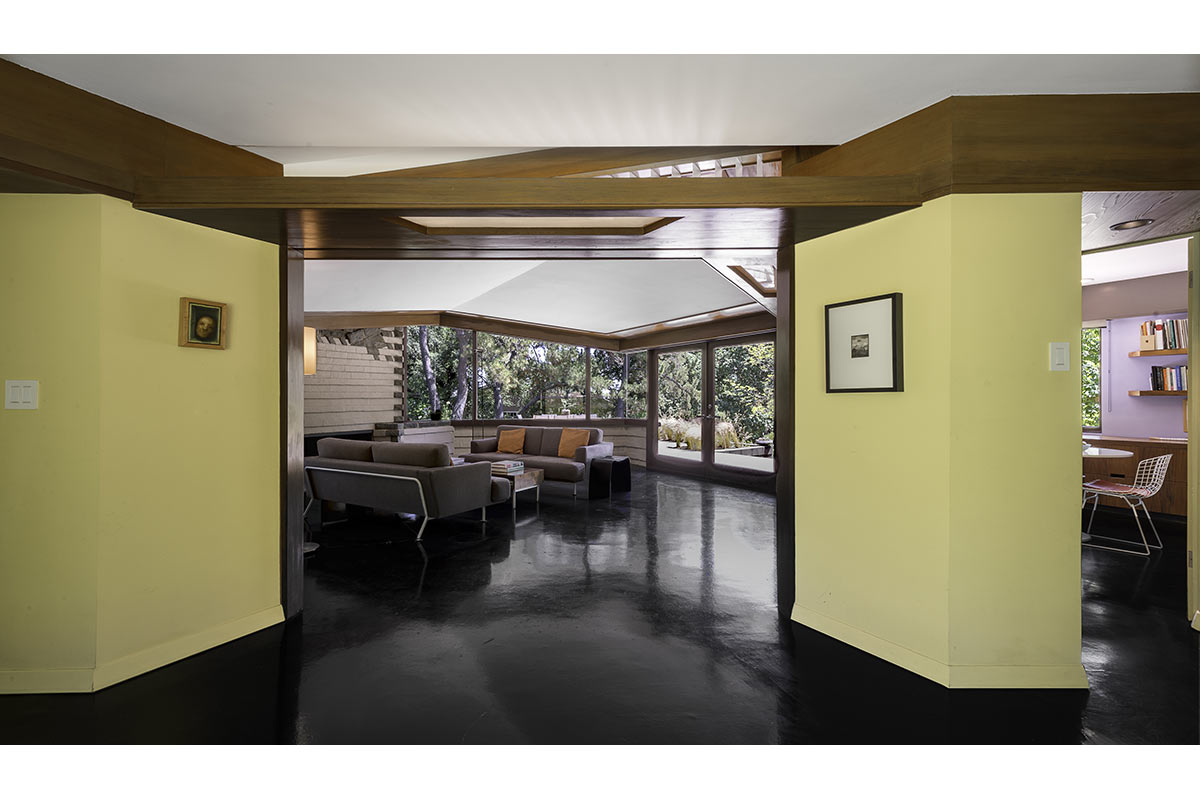
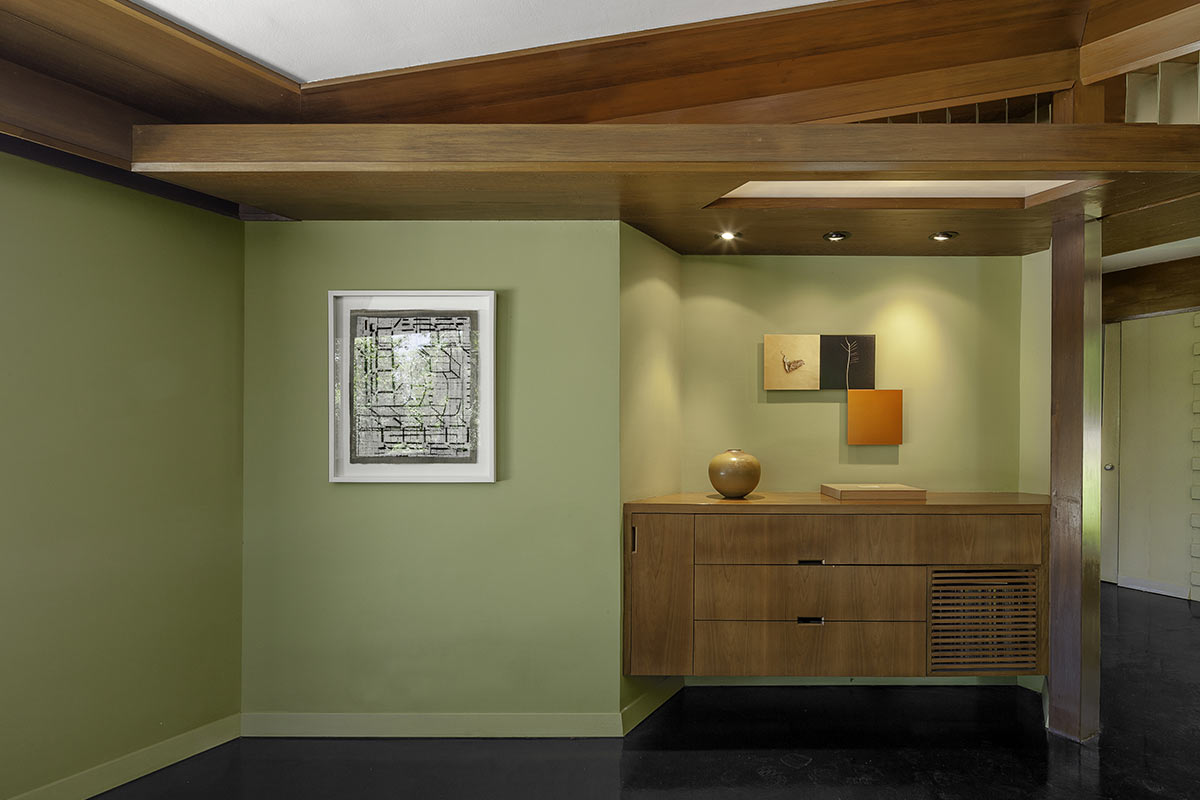
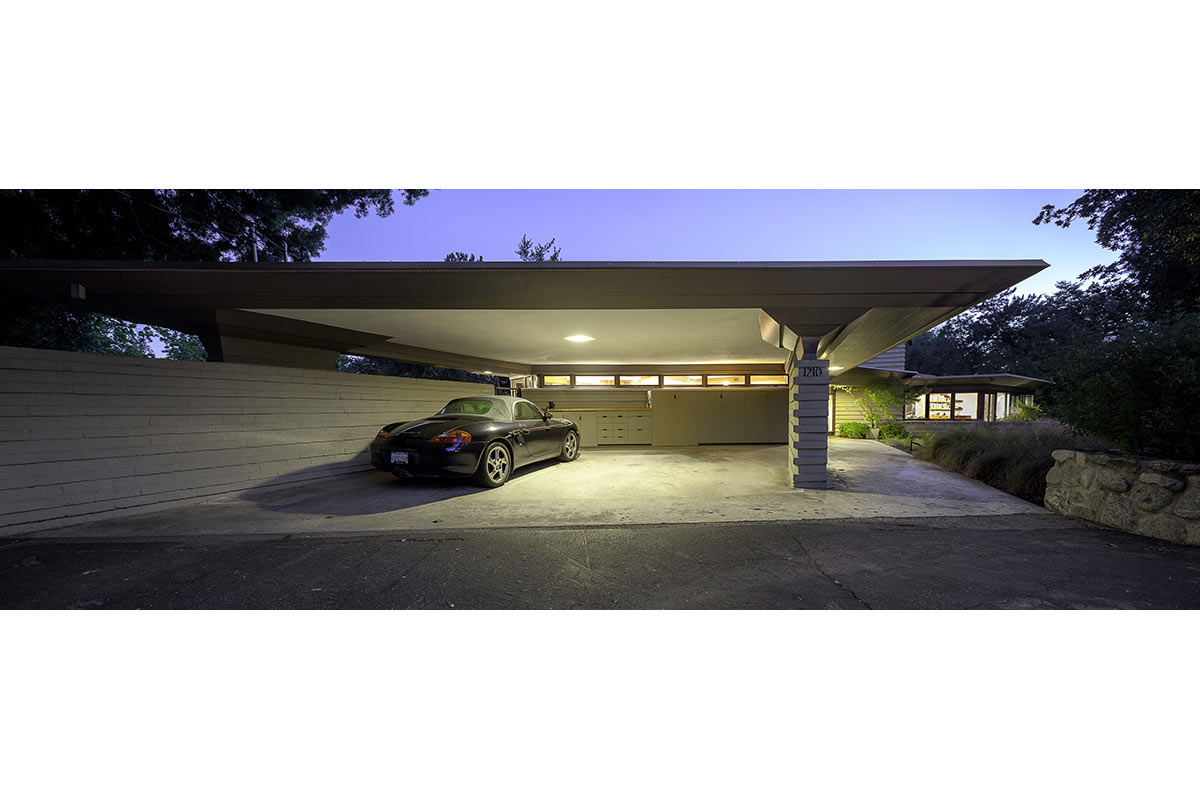
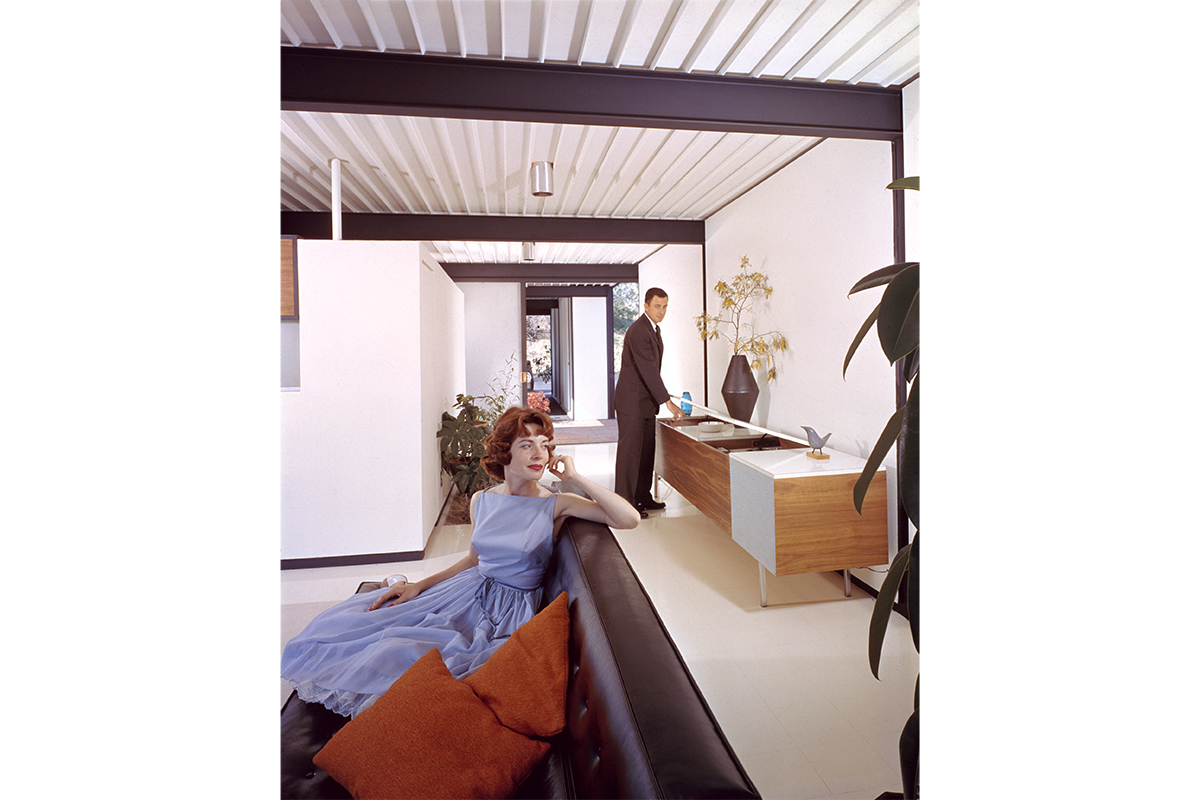
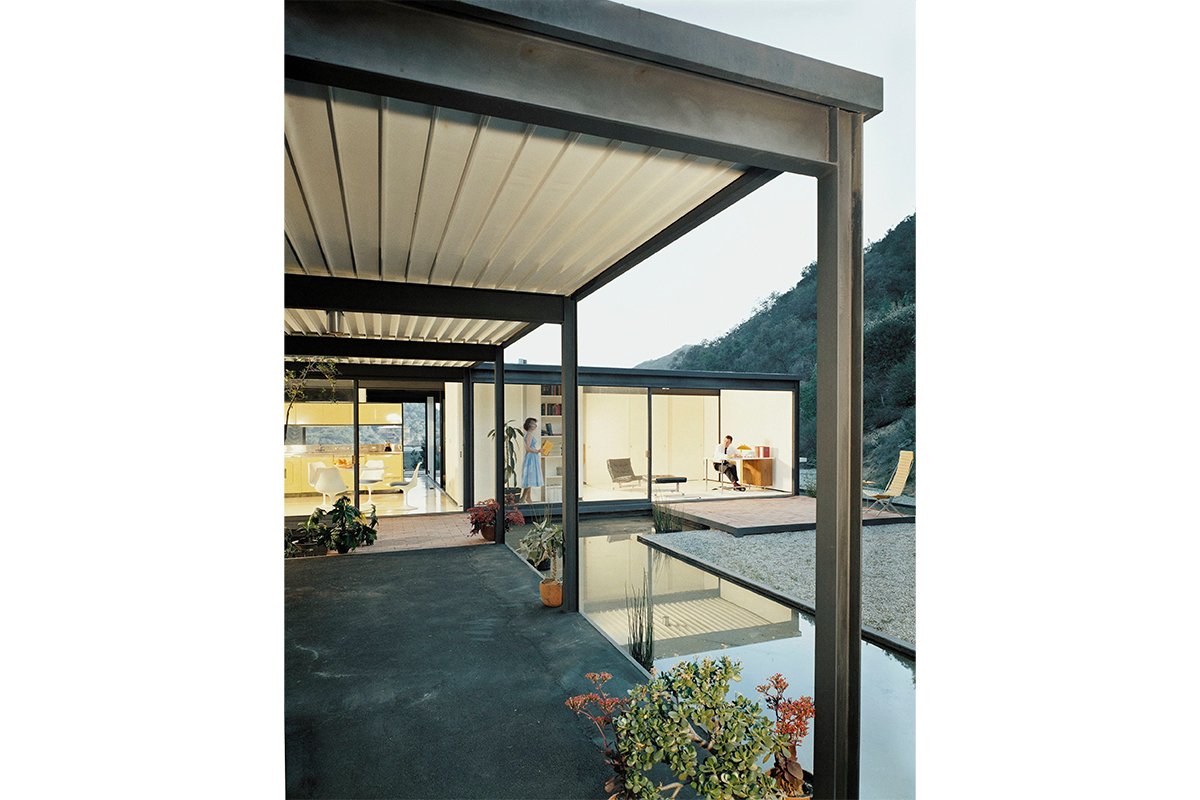
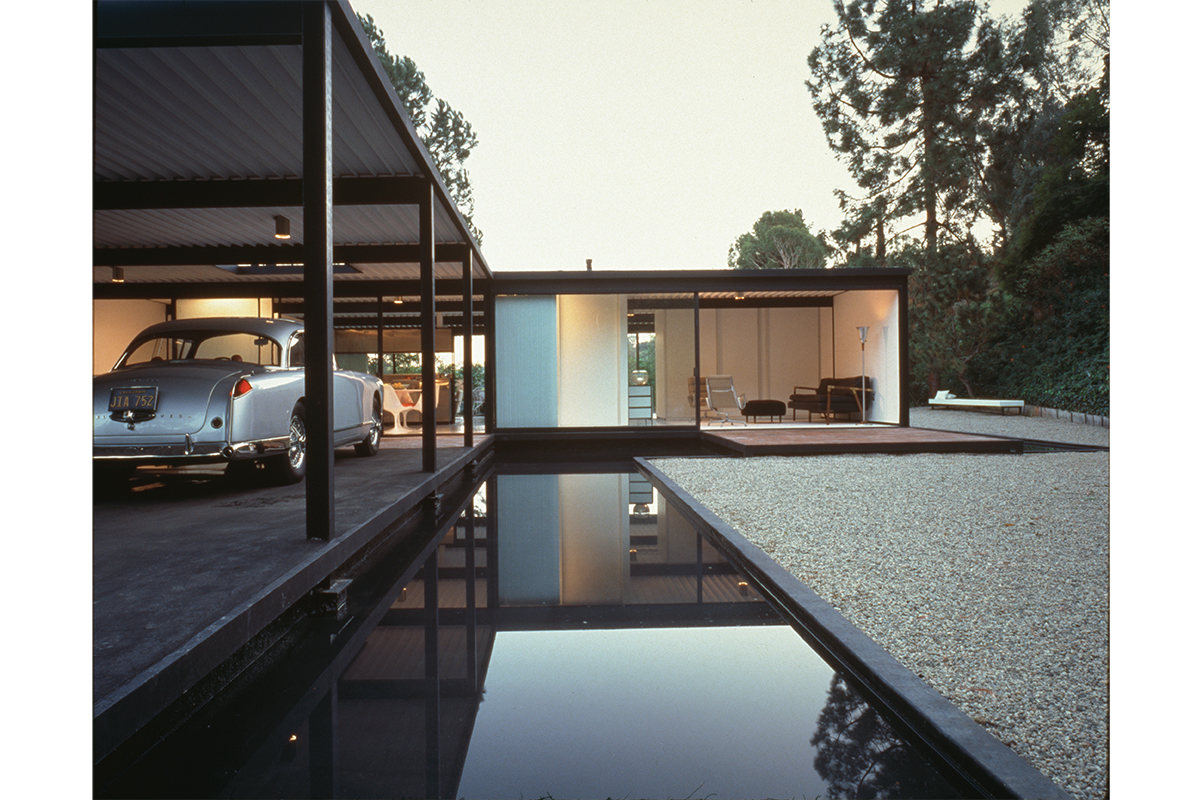
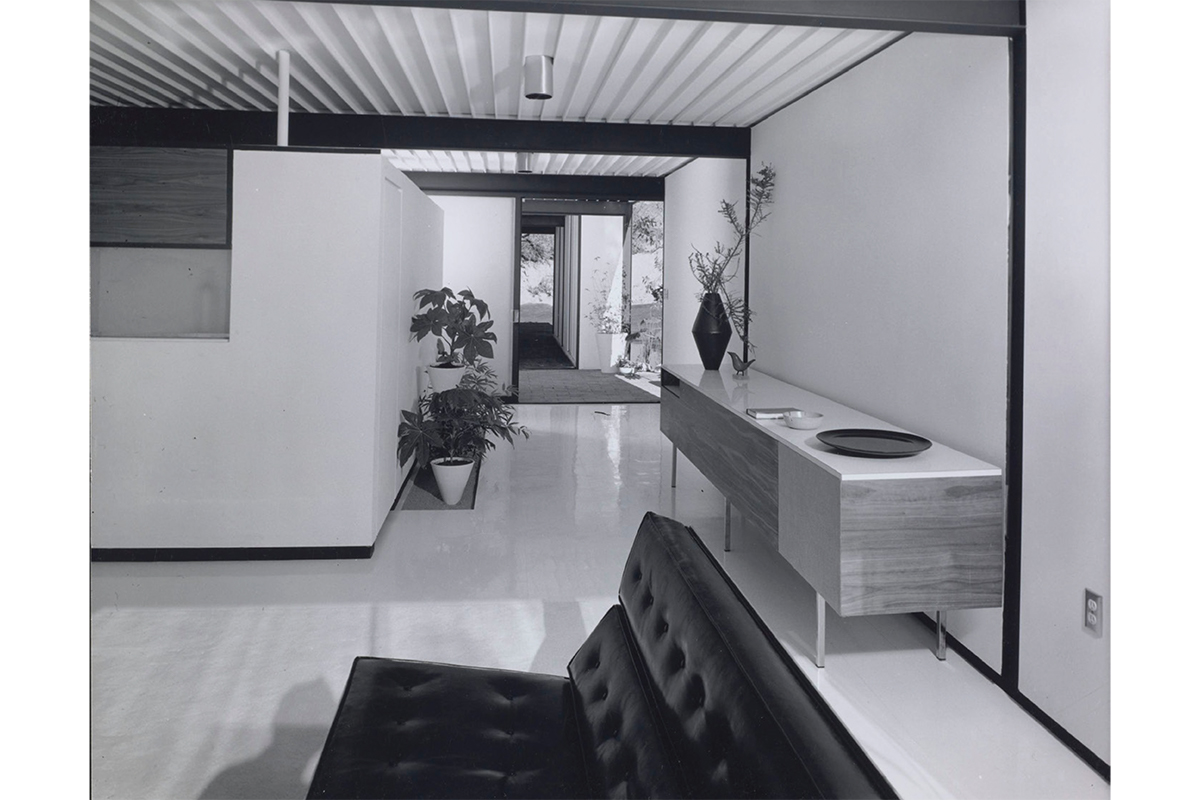
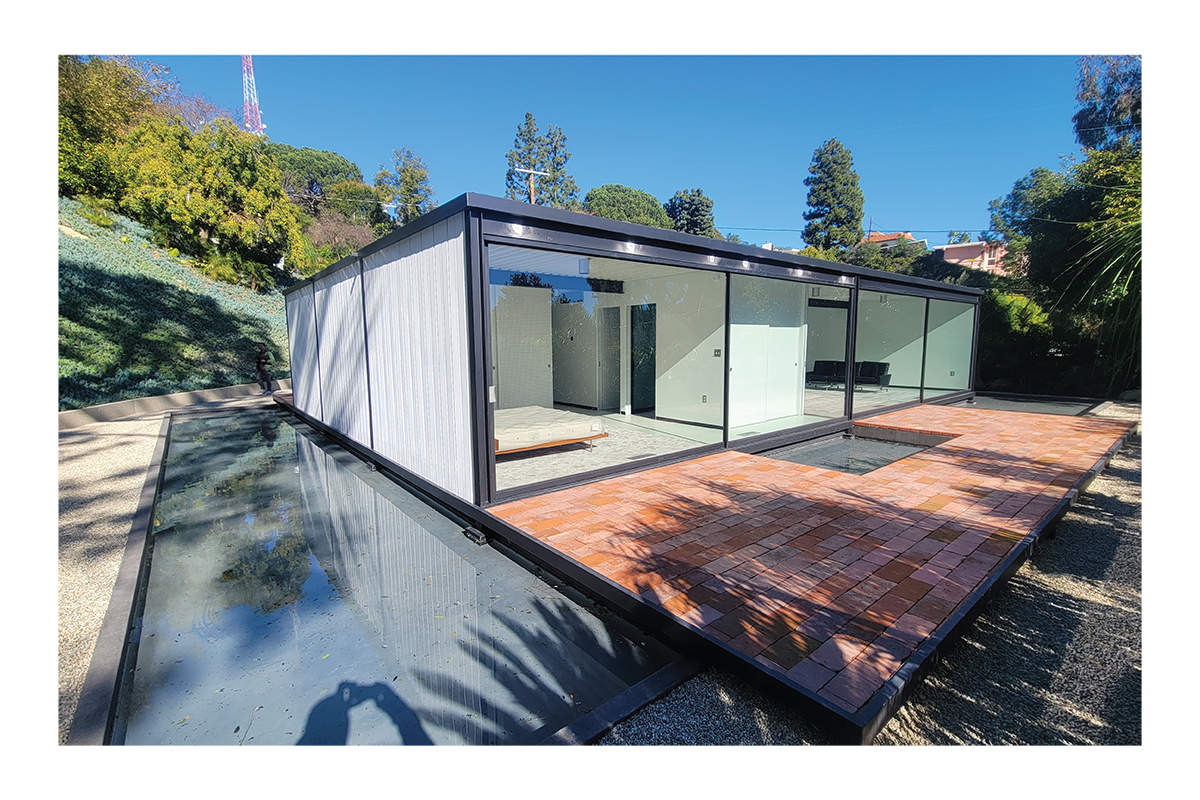
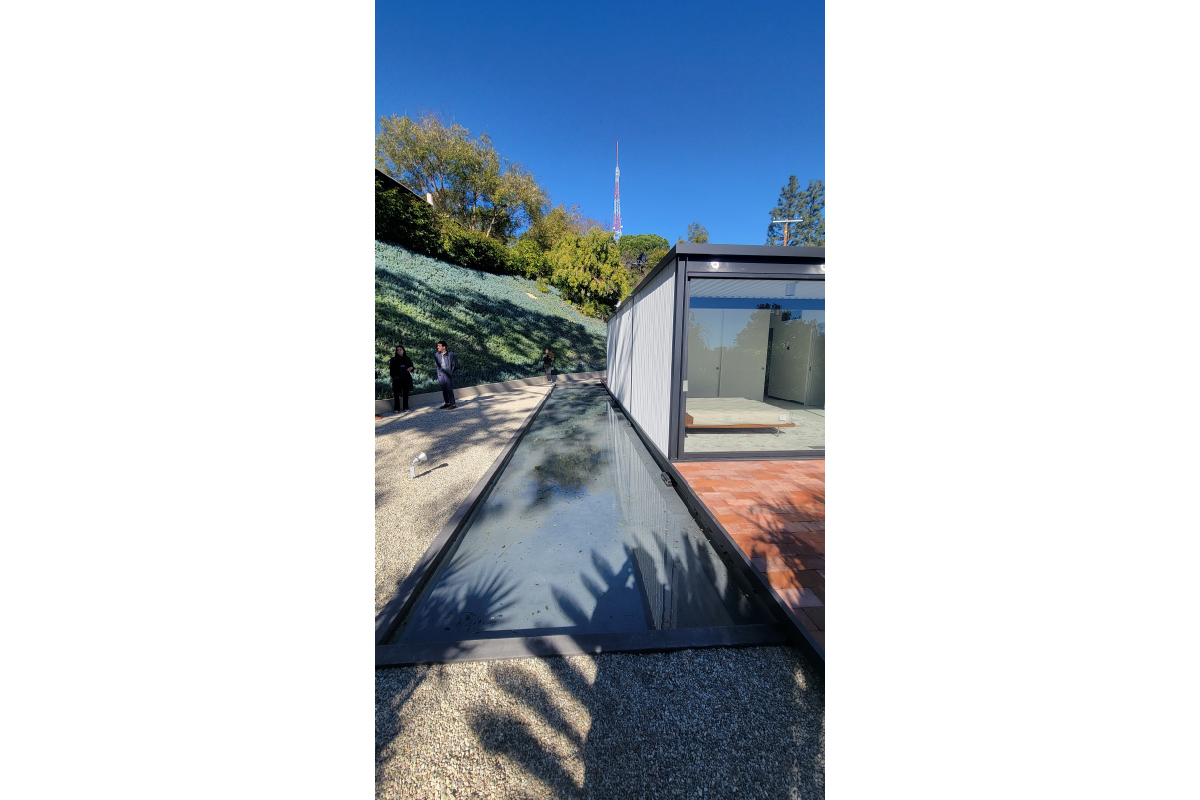
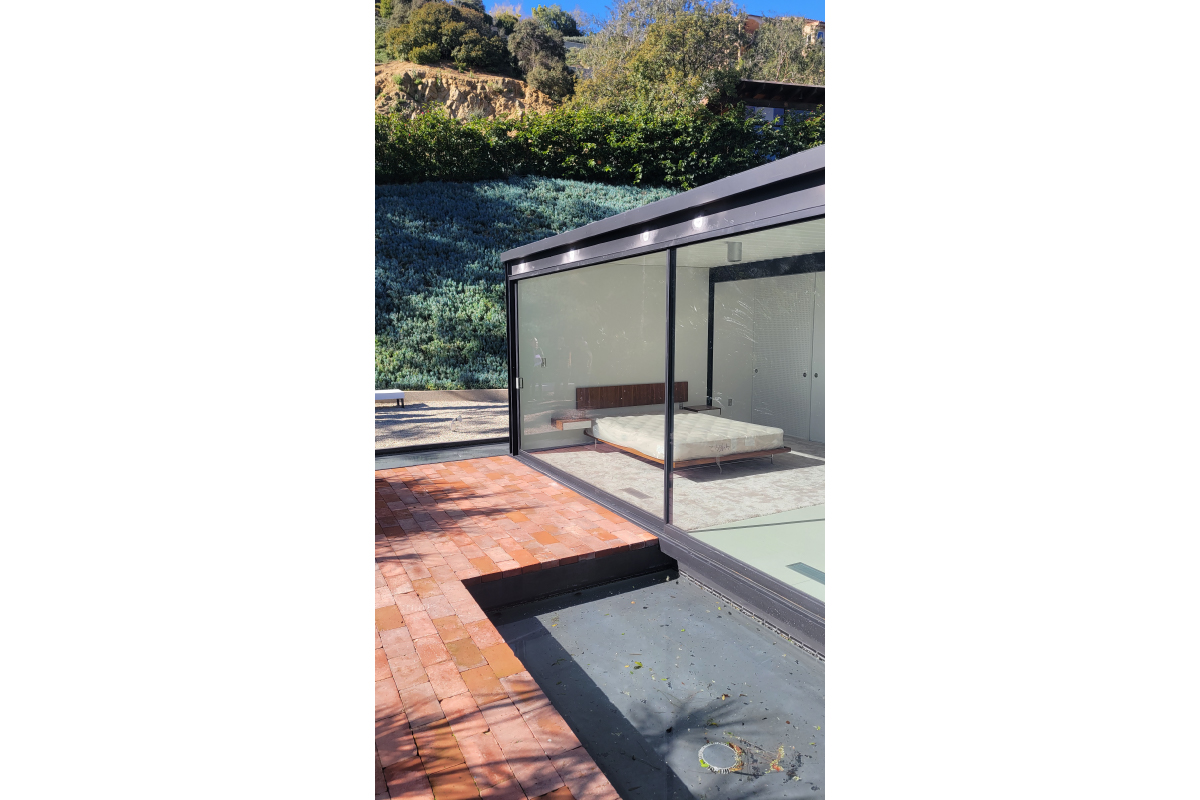
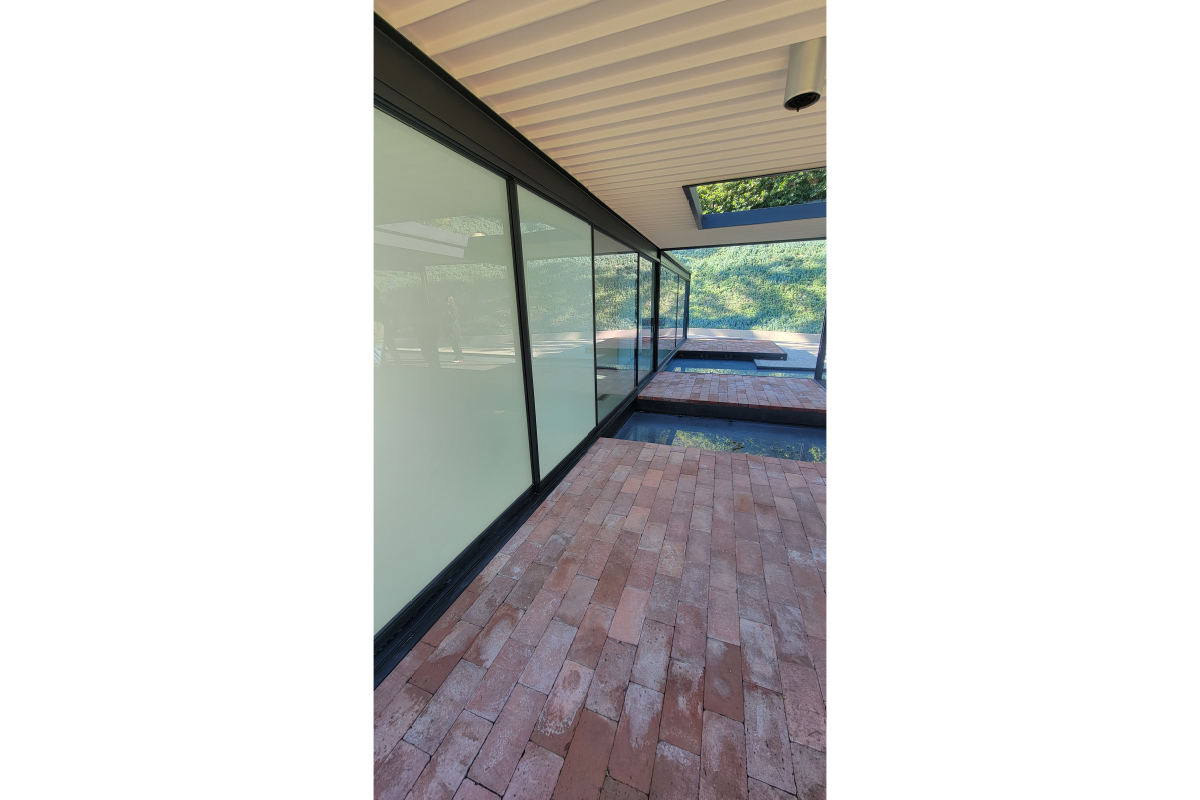
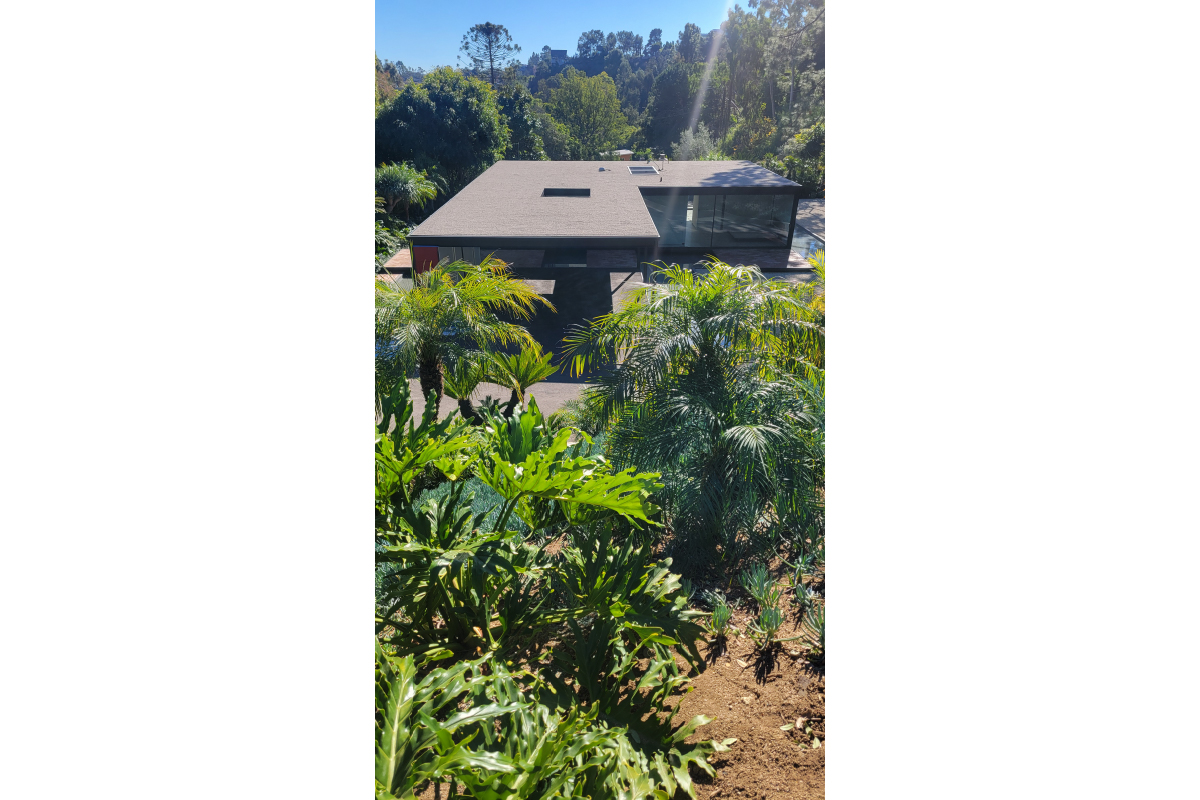
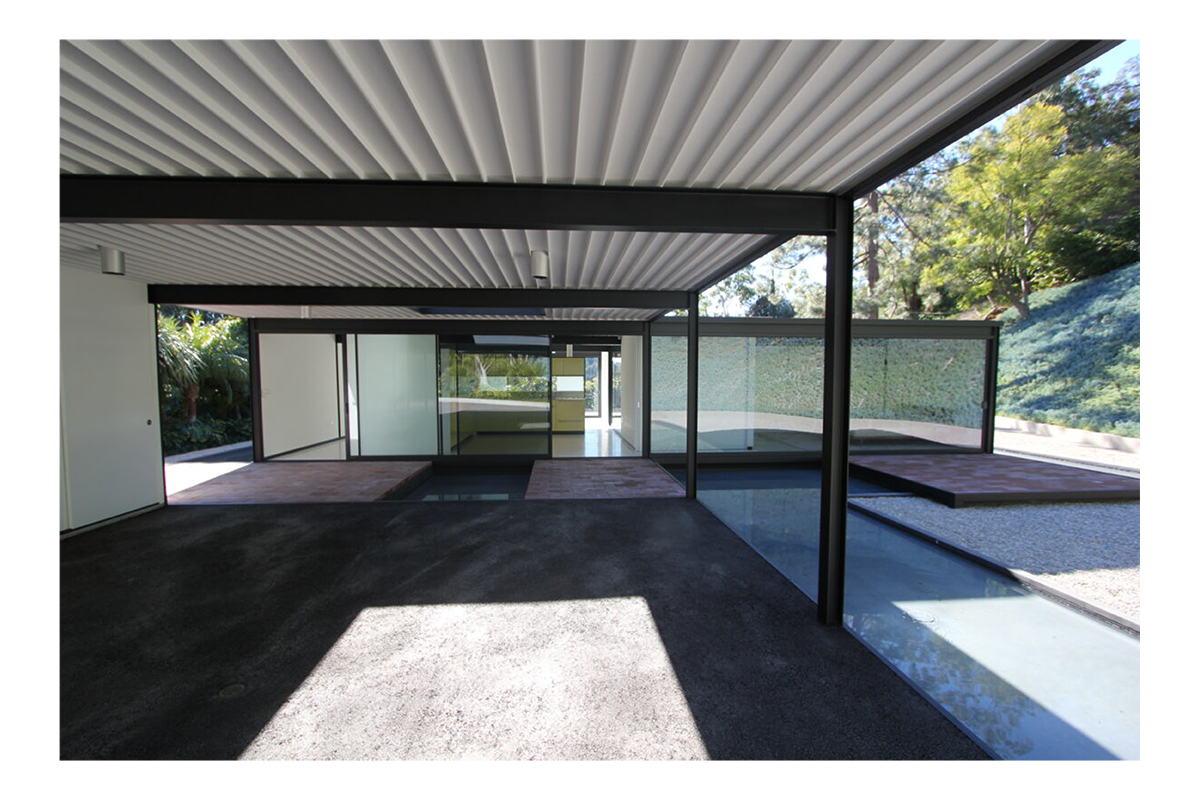
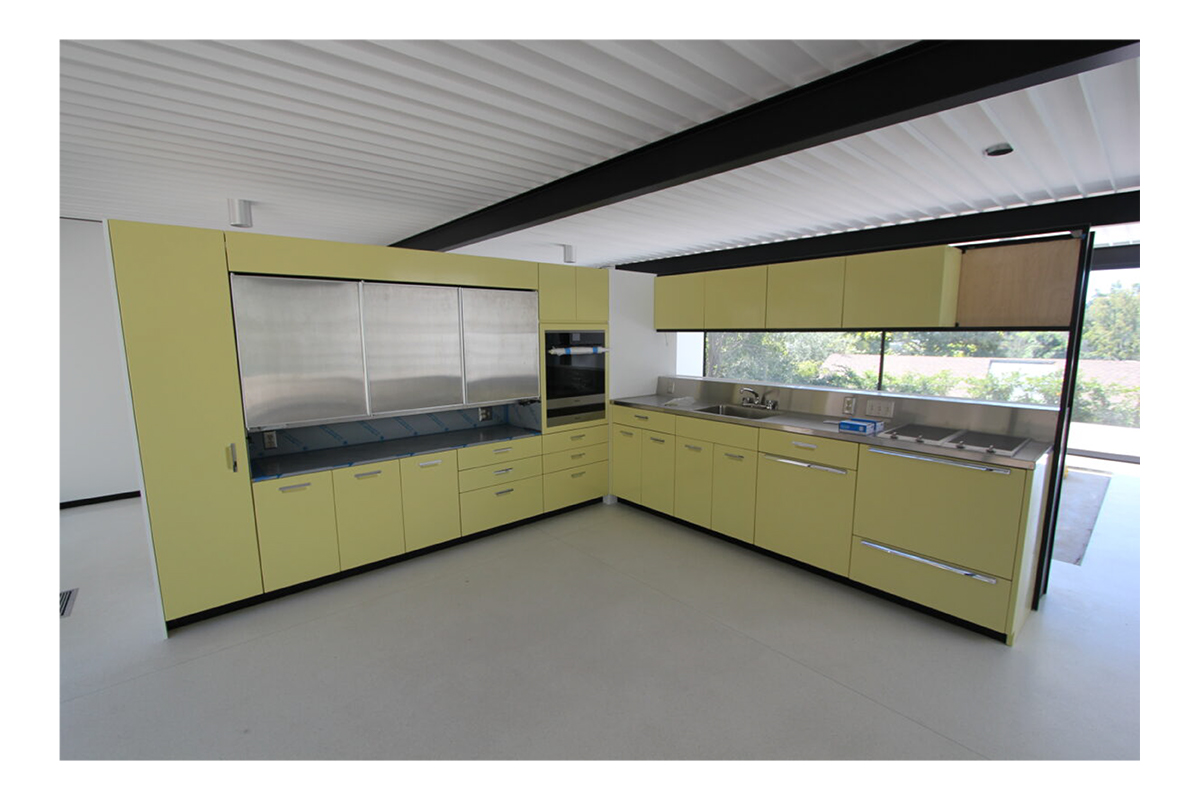
Renowned architect Pierre Koenig is famed for his steel-framed houses, most famously the Stahl House (Case Study House #22), which overlooks all of Los Angeles from the Hollywood Hills and his earlier Bailey House (Case Study House #21), tucked into the same hills on a small, nondescript lot. He designed it for psychologist Walter Bailey and his wife Mary, a contemporary-minded couple who wanted a small house in the Mid-Century Modern style. Unlike many other homeowners, the Baileys were open to the idea of a steel-framed house, and Koenig was able to realize his vision of an open-plan design that was both affordable and beautiful. Completed in 1959.

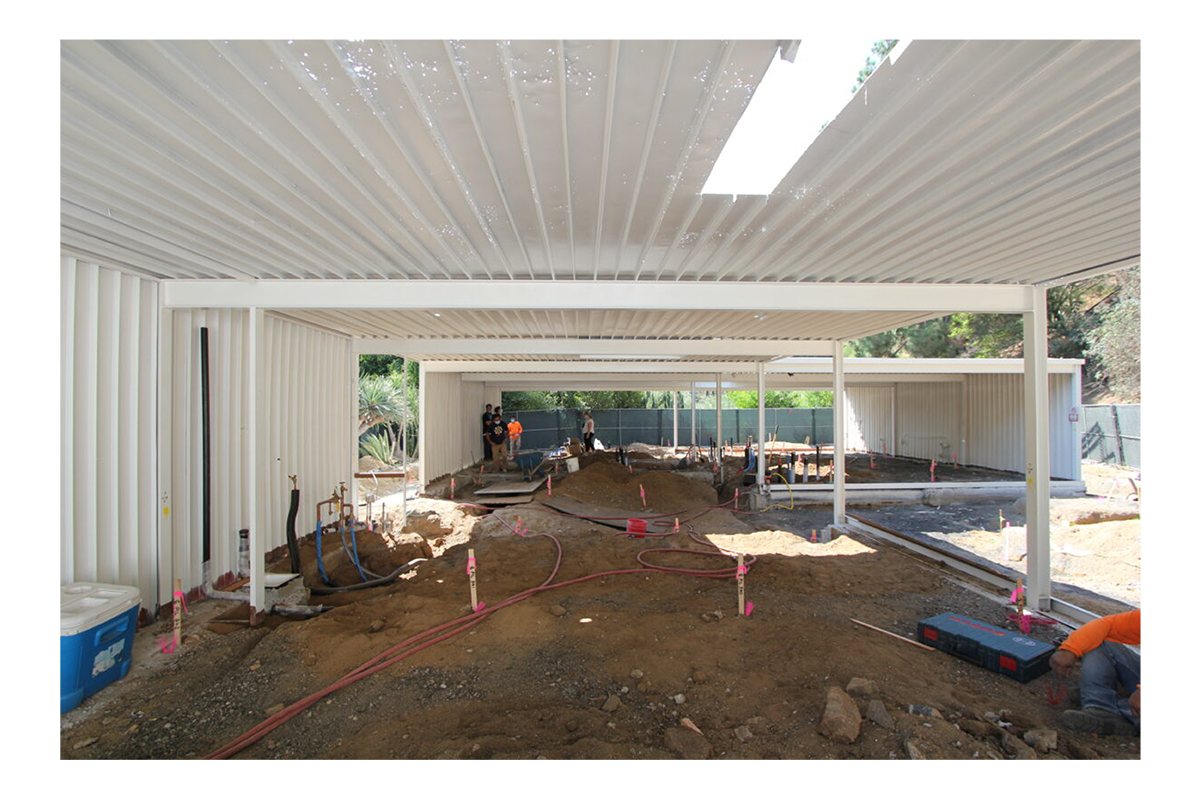
Corsini Stark Architects served as Executive Architect for this project, requiring shoring and underpinning of all foundations, documentation and removal of all interior architectural components, and documenting the complete restoration. The Los Angeles Conservancy’s annual Preservation Awards recognized this exceptional achievement in the field of historic preservation in Los Angeles County in 2024. 

CATEGORY
INFORMATION
Project Type
Historic Preservation & Adaptive Reuse Projects
Location
Hollywood, CA
Status
Completed 2024
Size
1280 SQ FT
Contractor
BTC Builders, Inc.
Project Lead, Design, Owner Rep
Mark Haddawy, Inc.

Banks-Erickson Residence

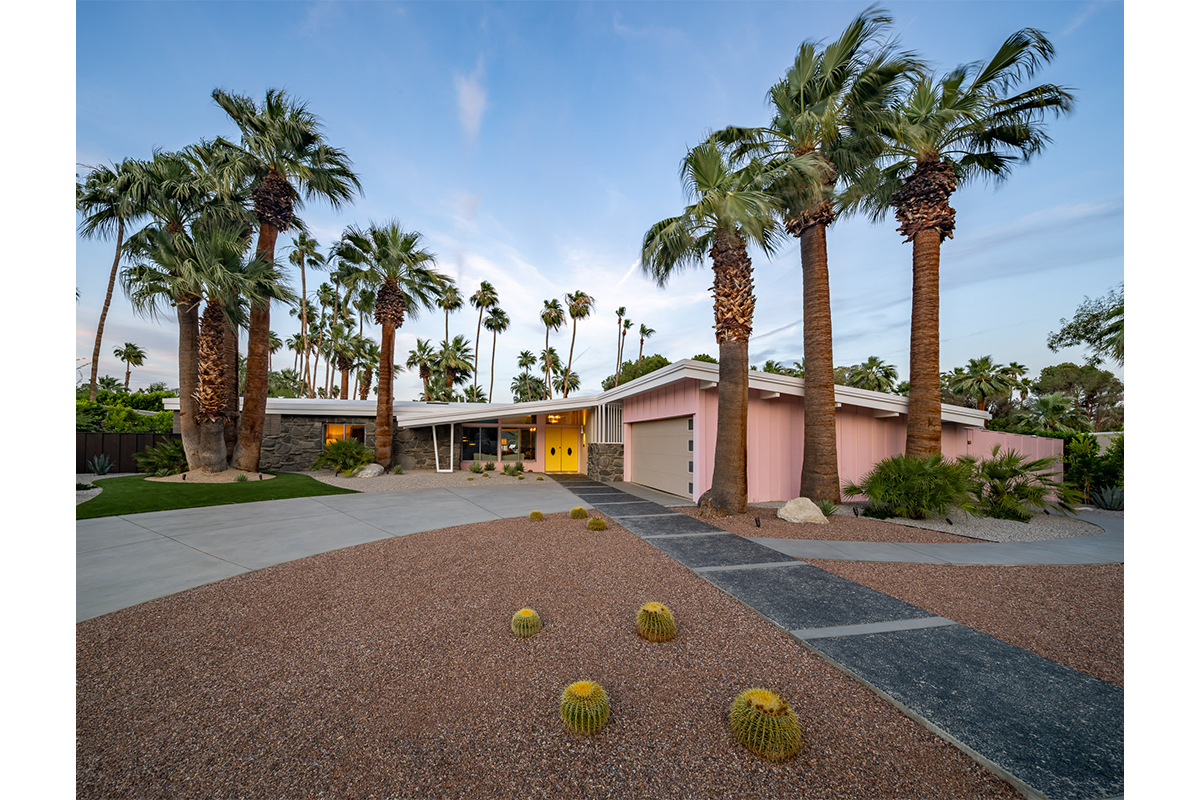
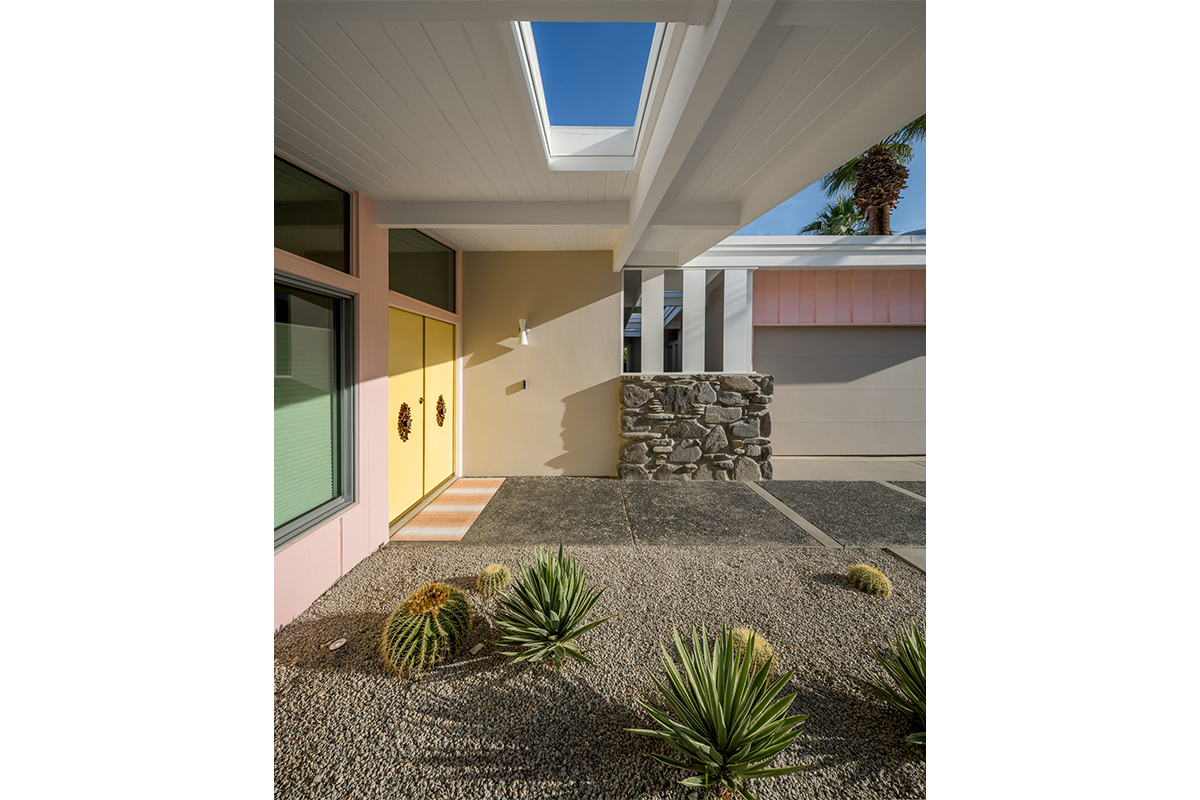
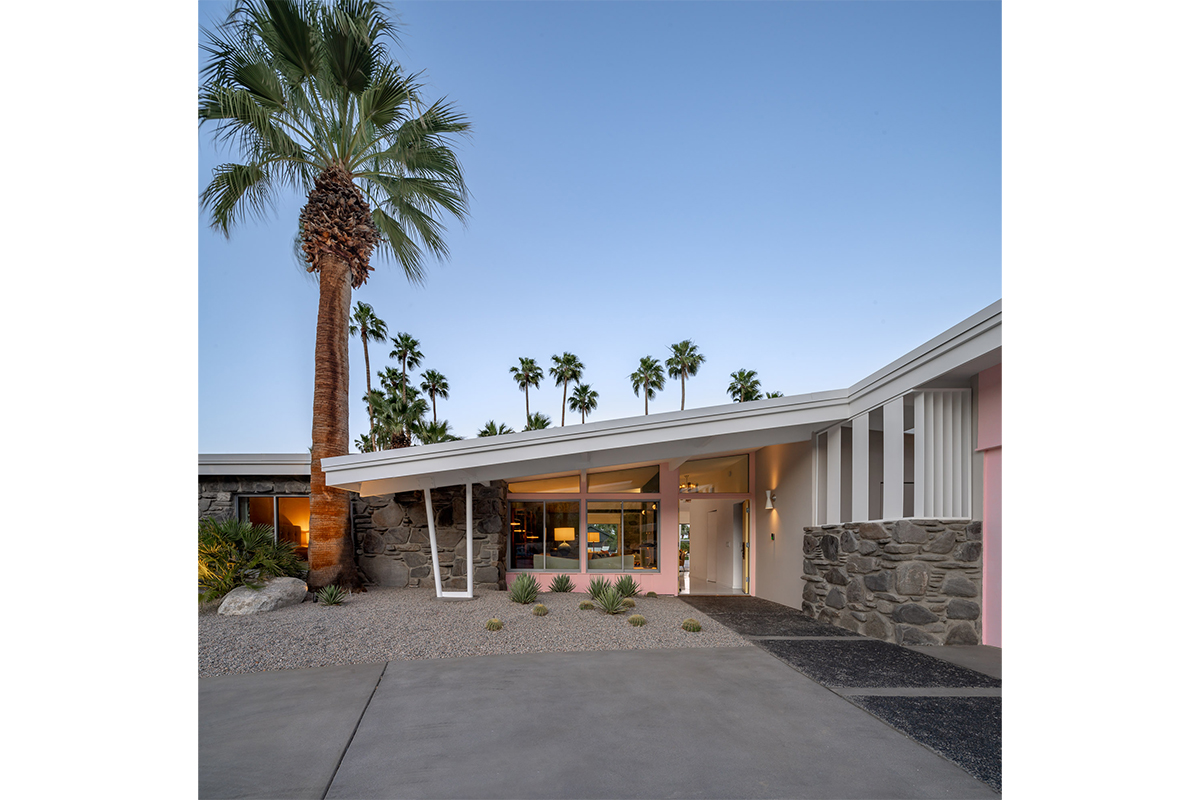
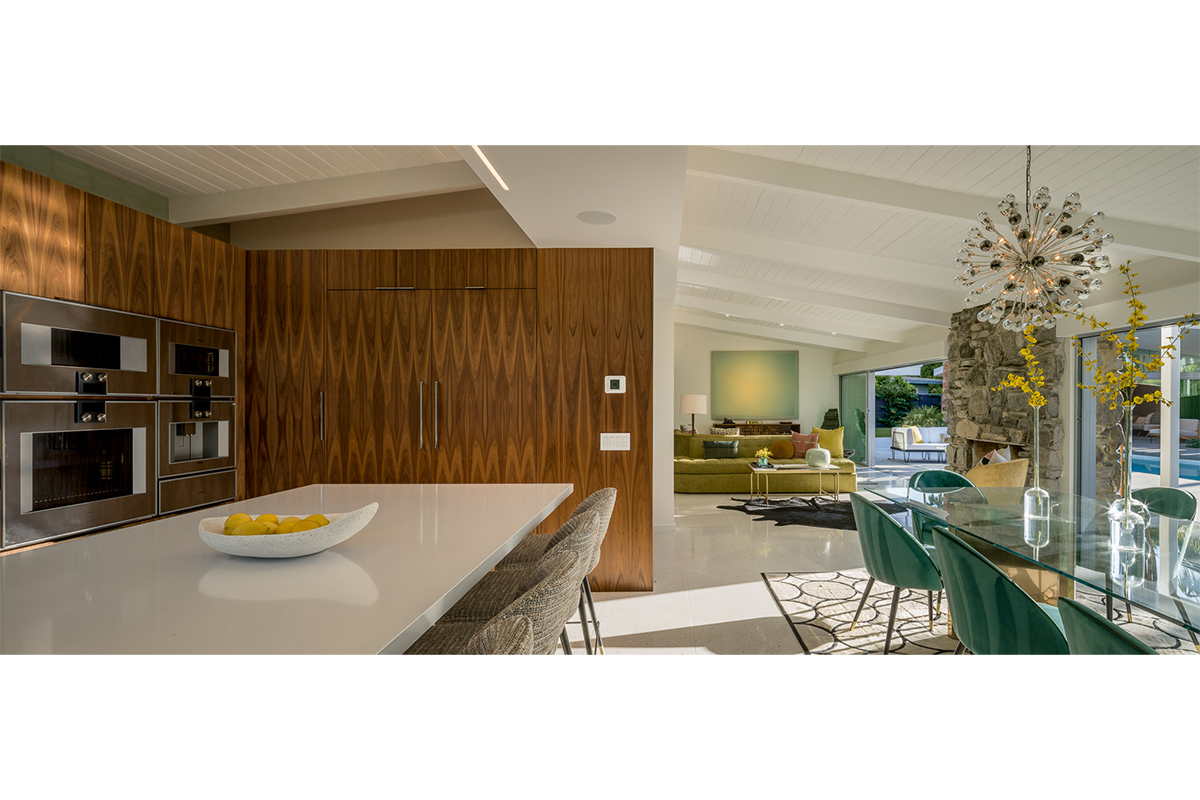
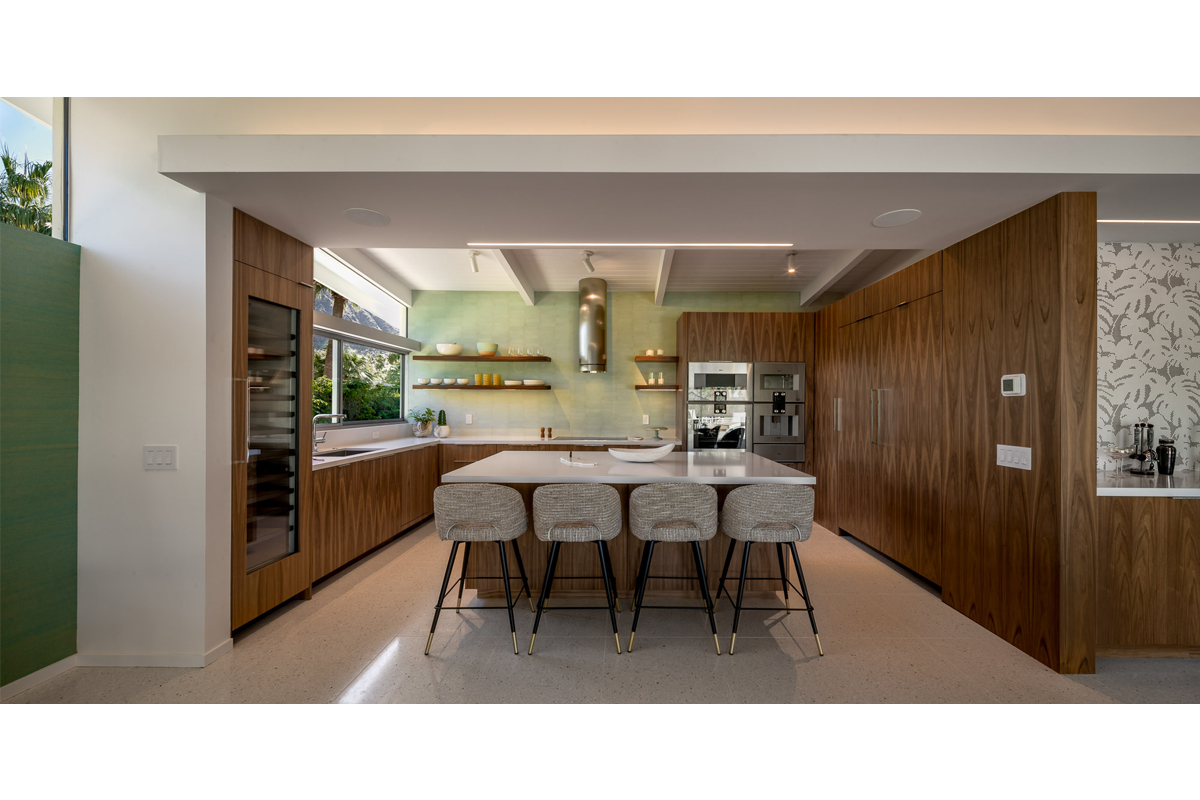
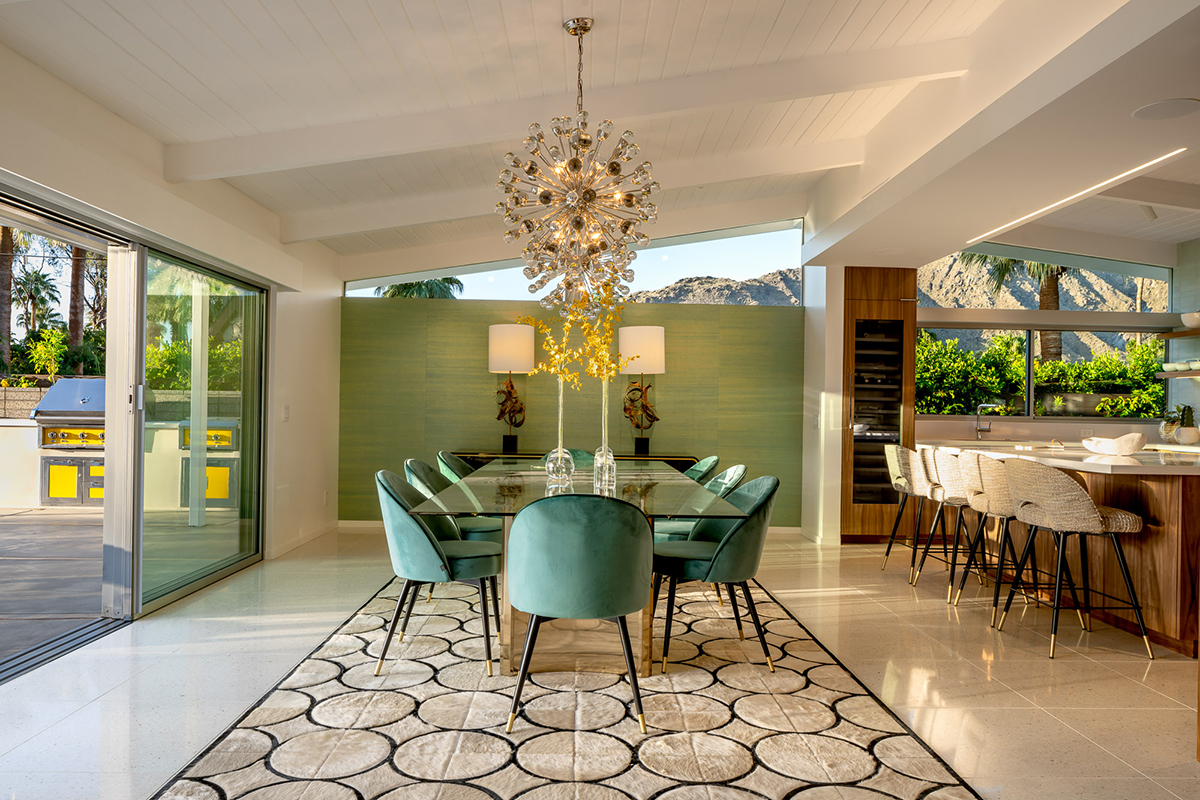
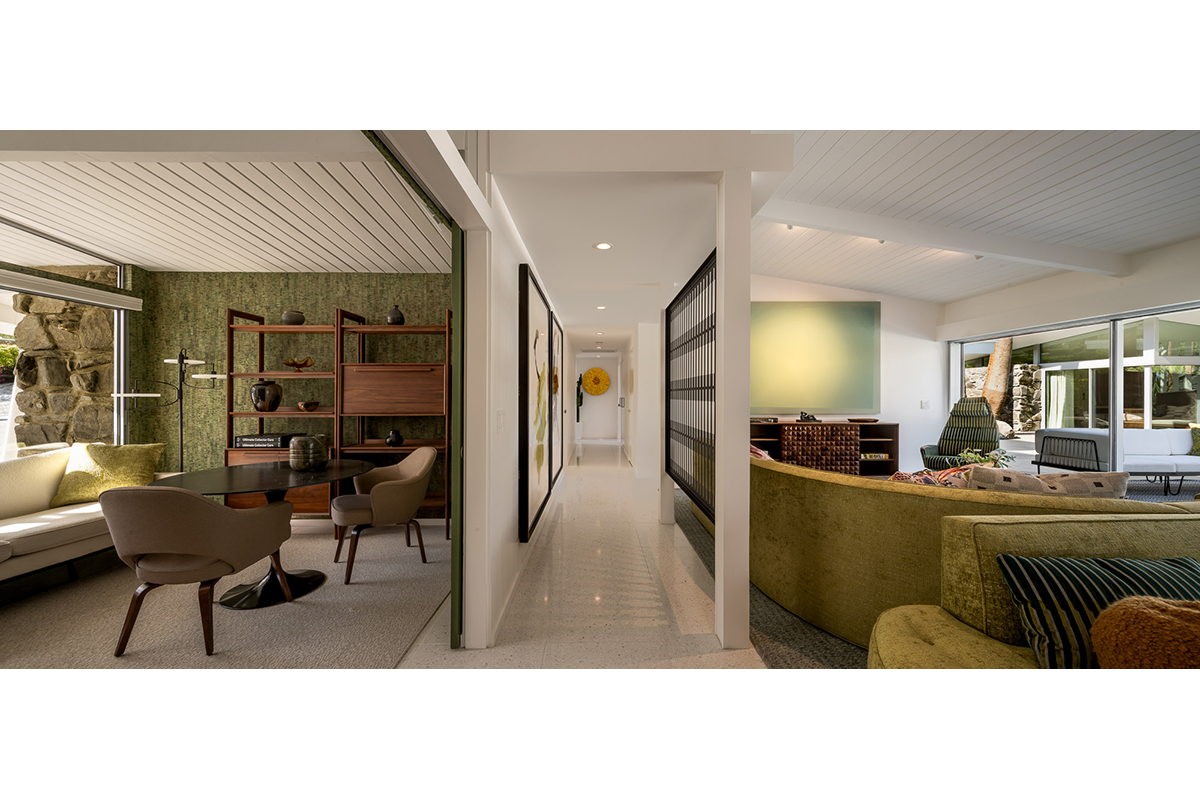
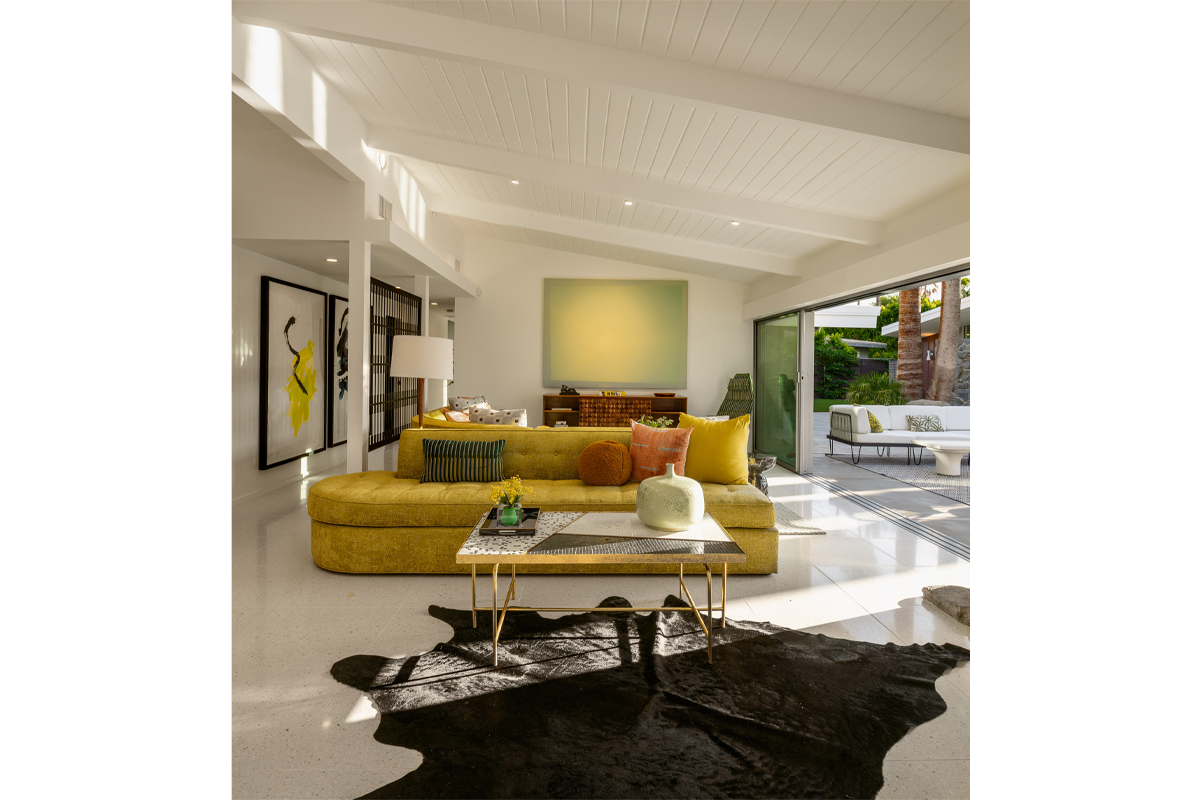
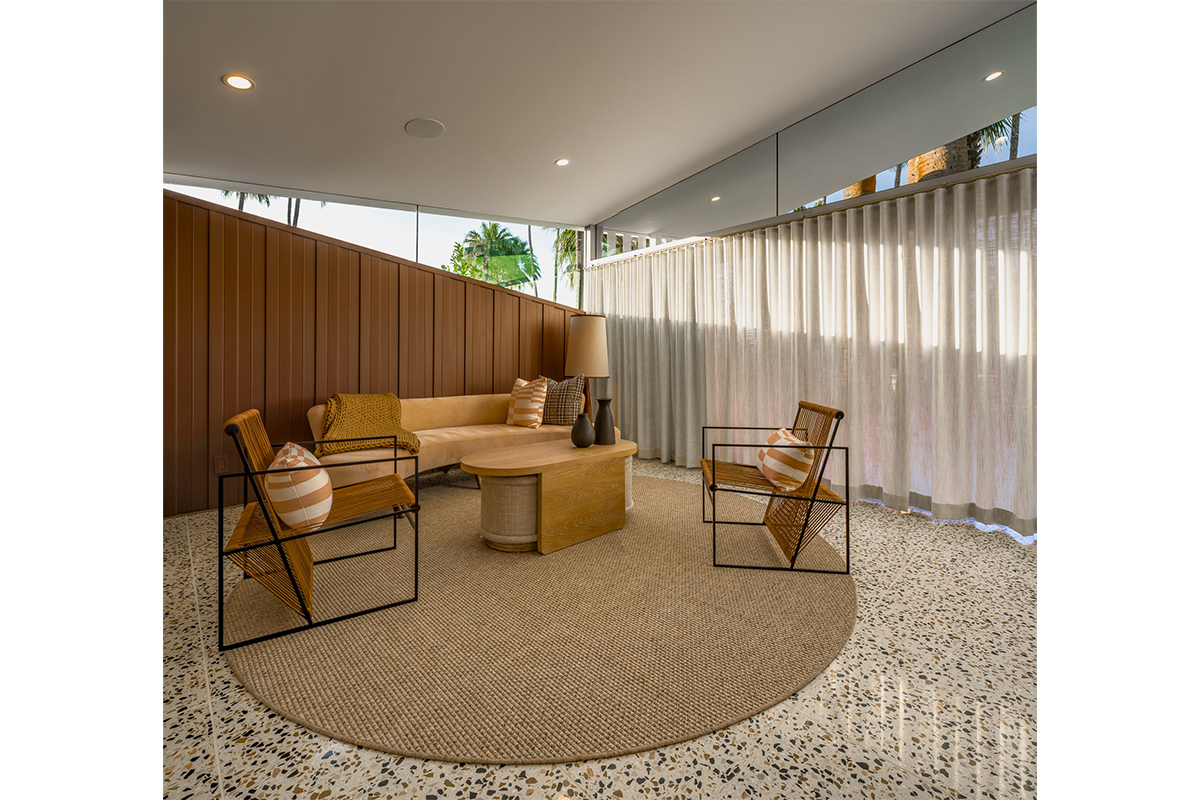
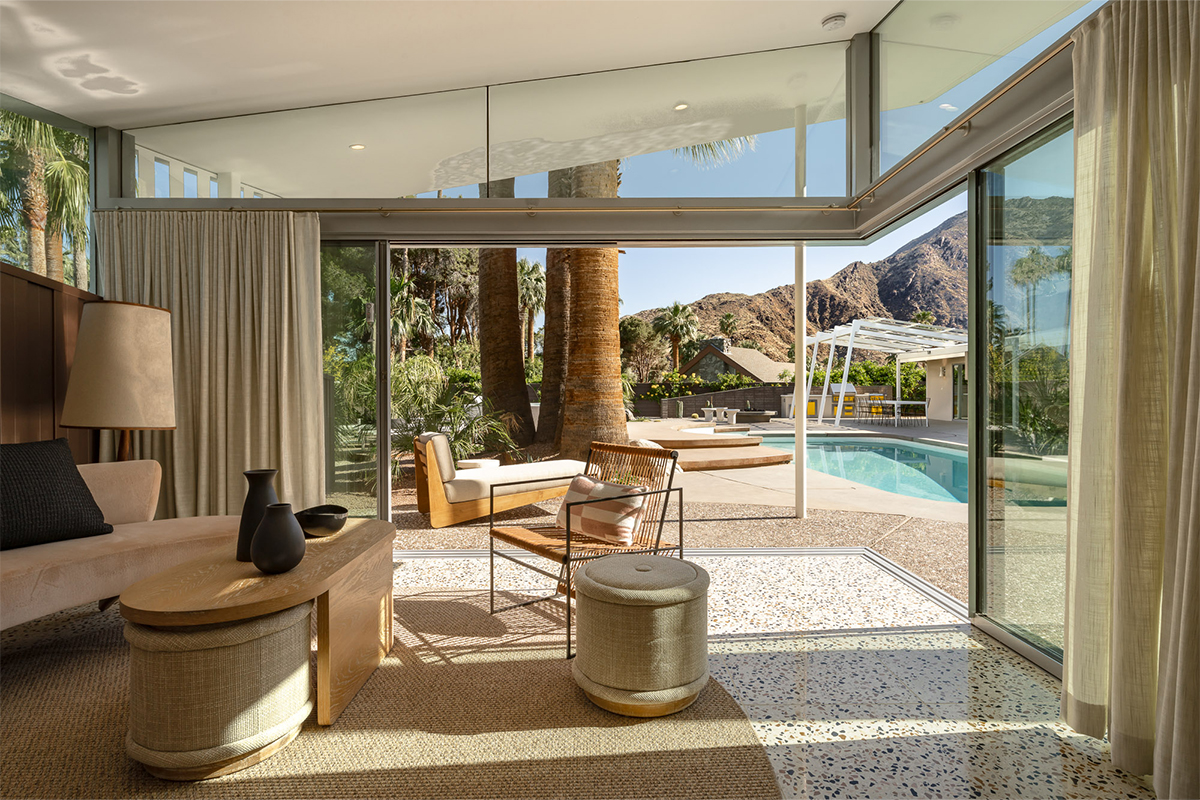
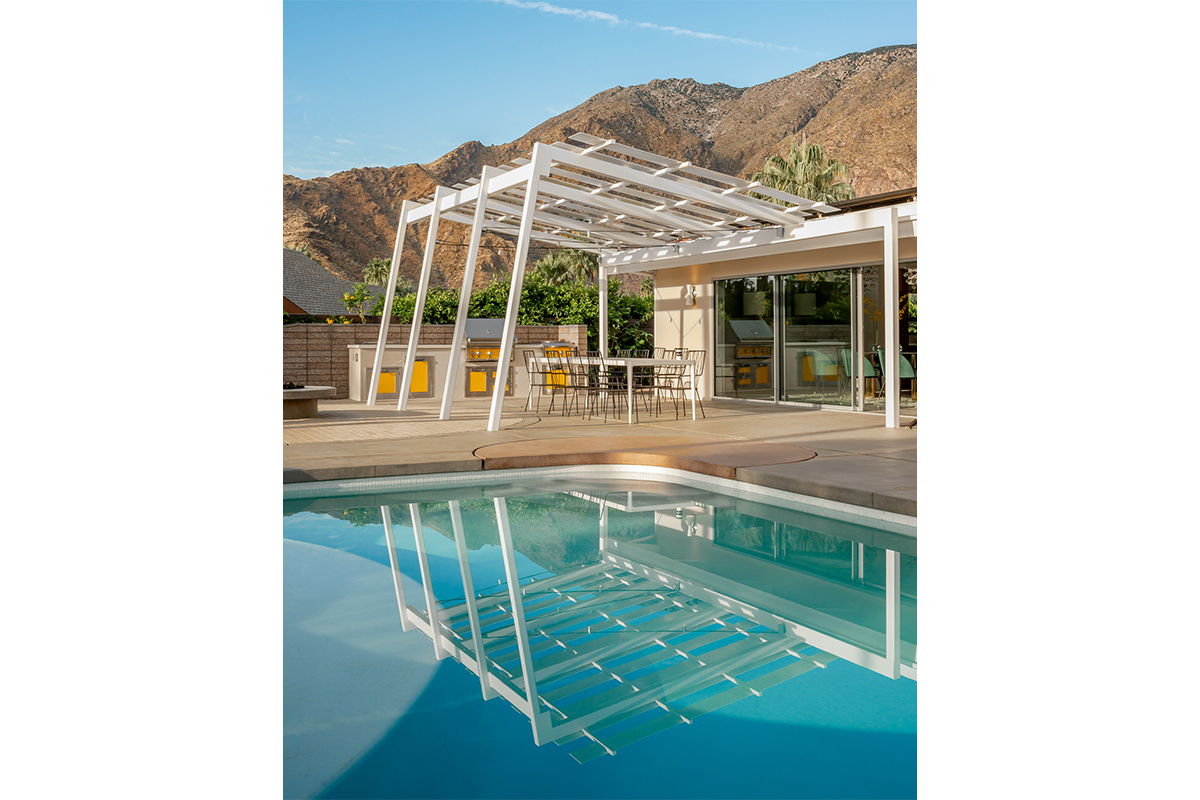
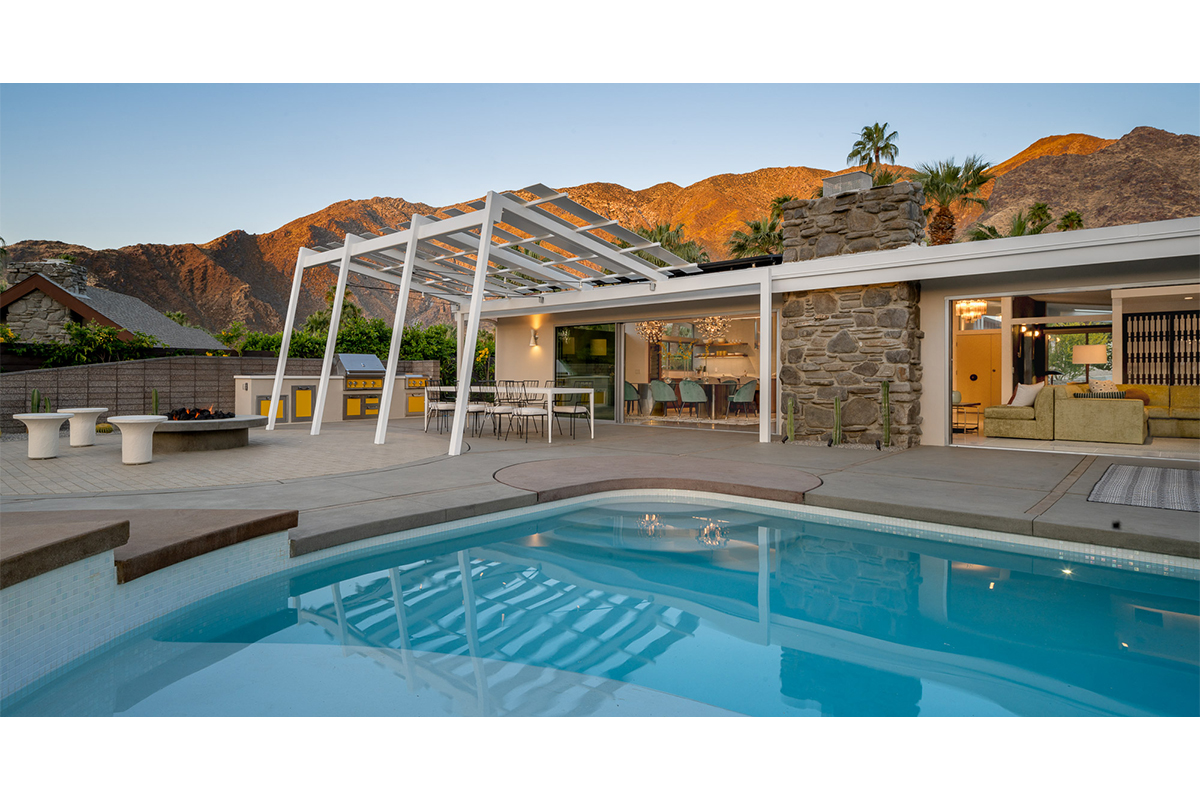
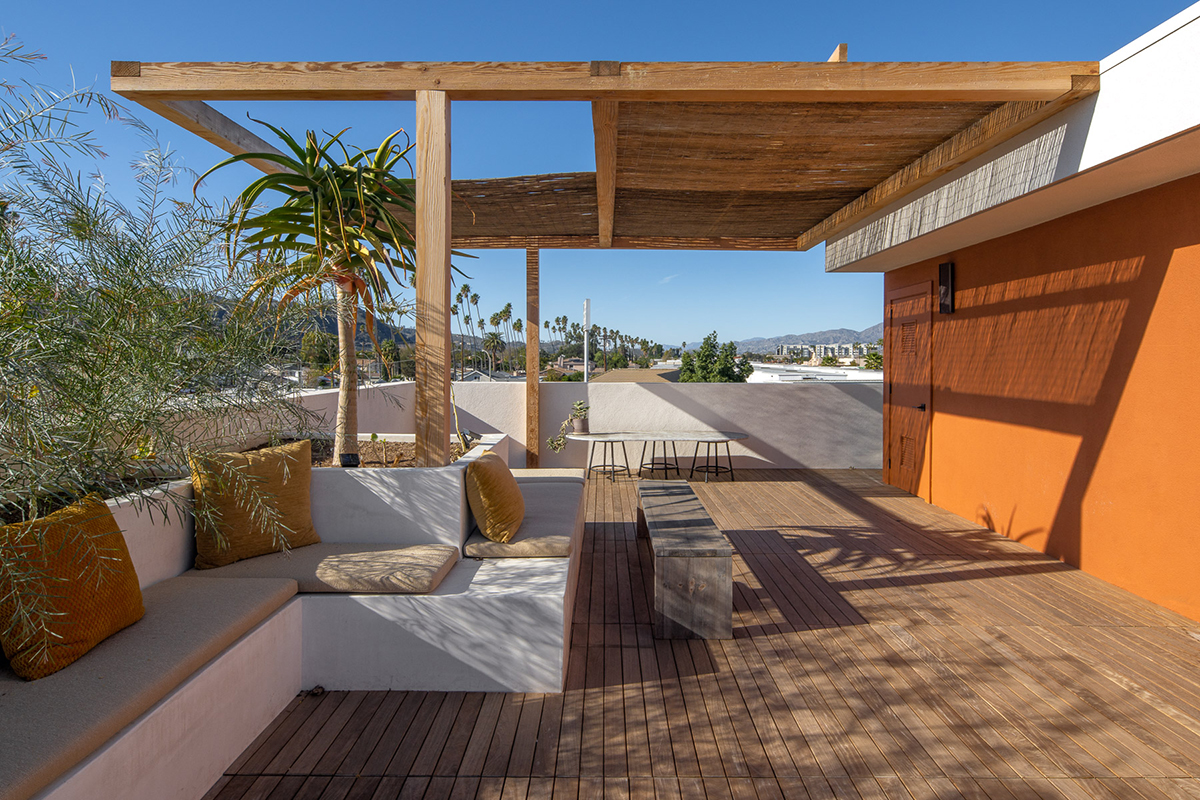
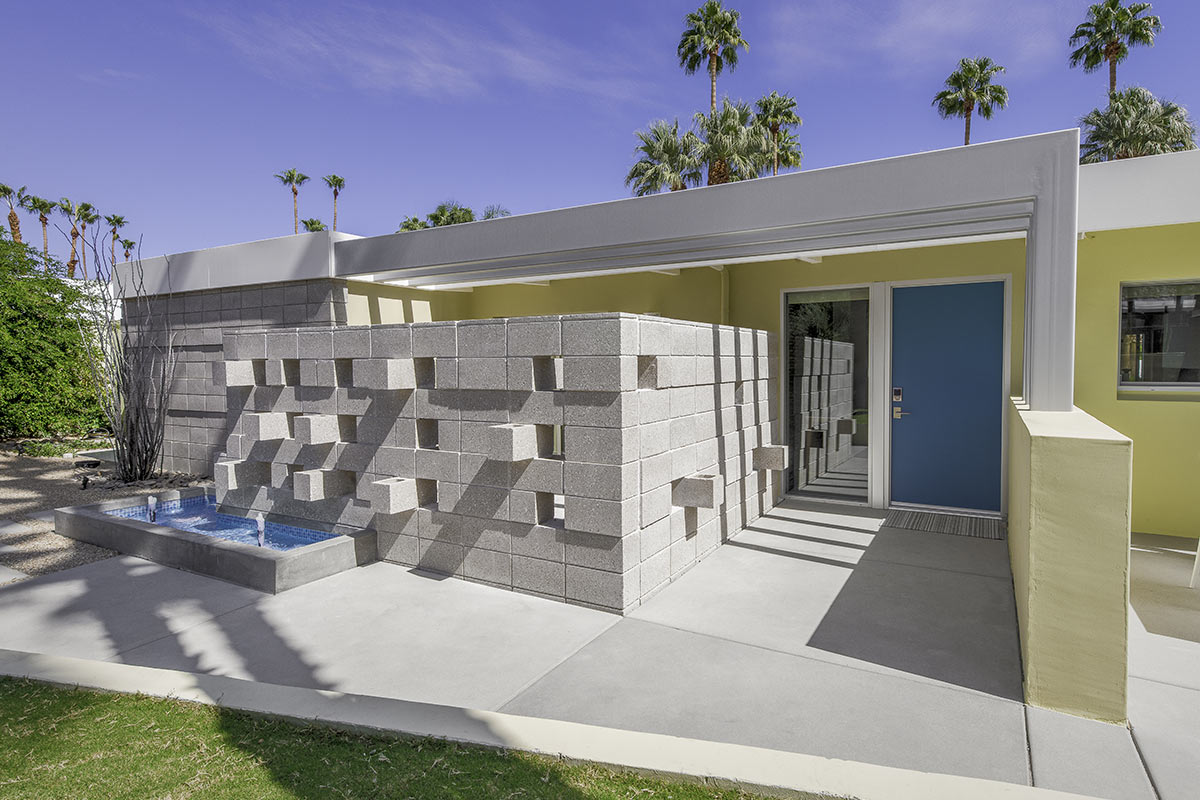
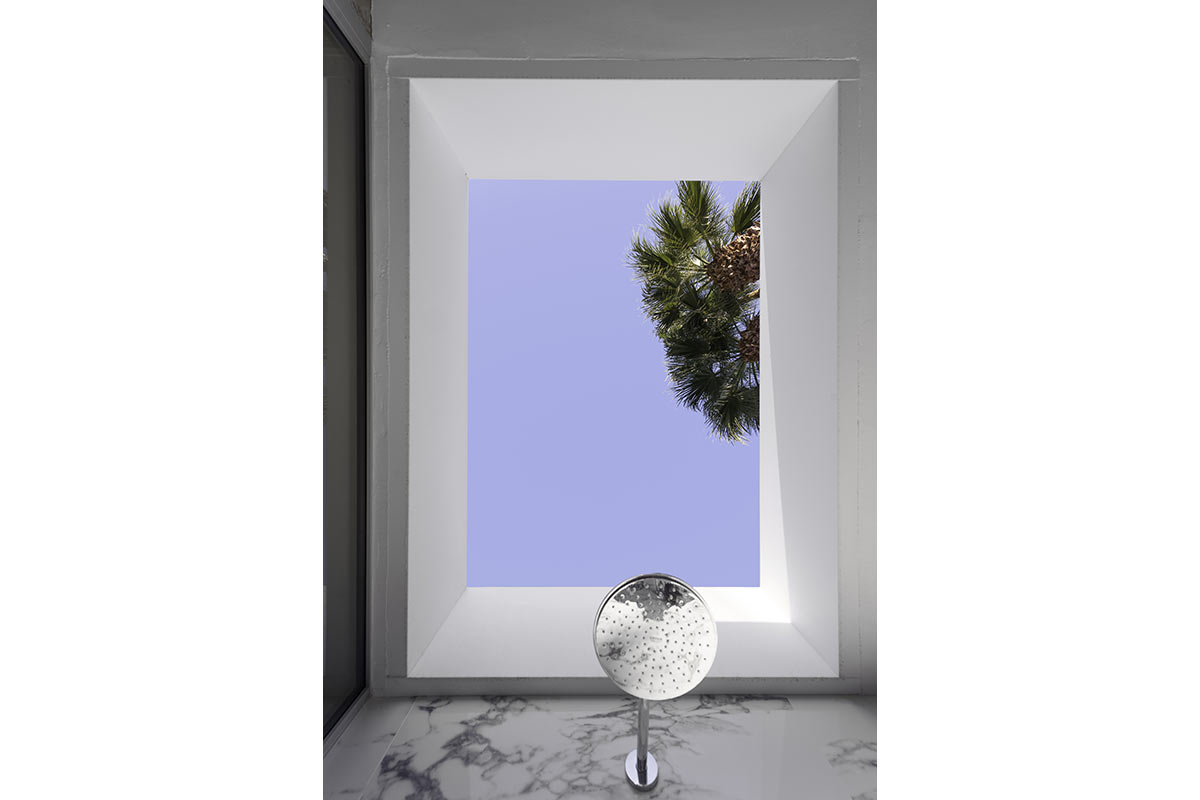
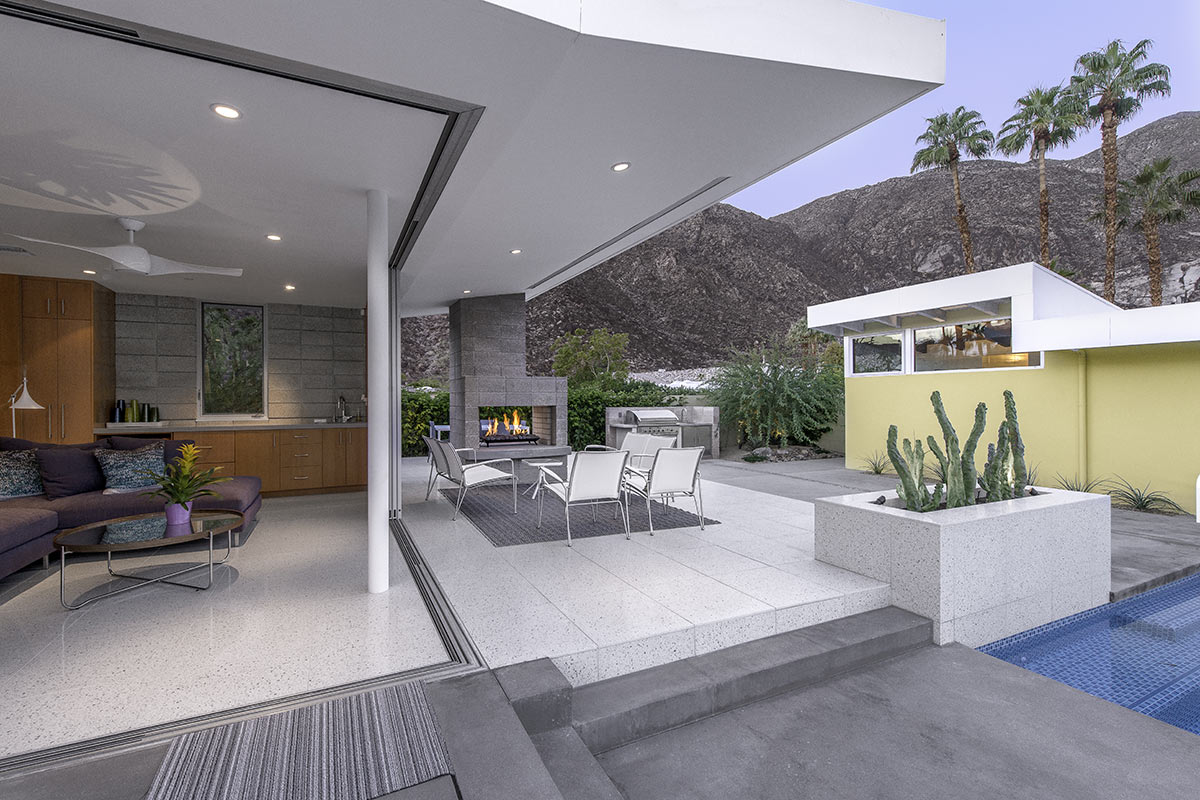
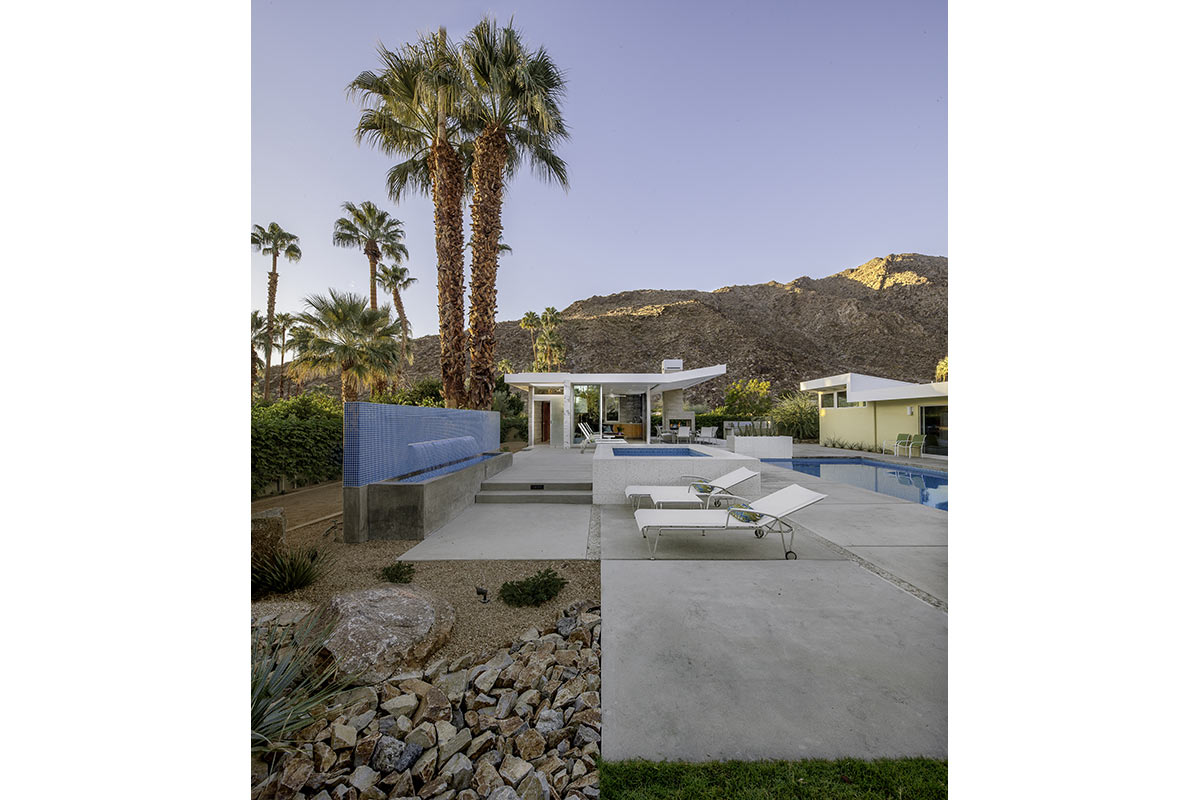
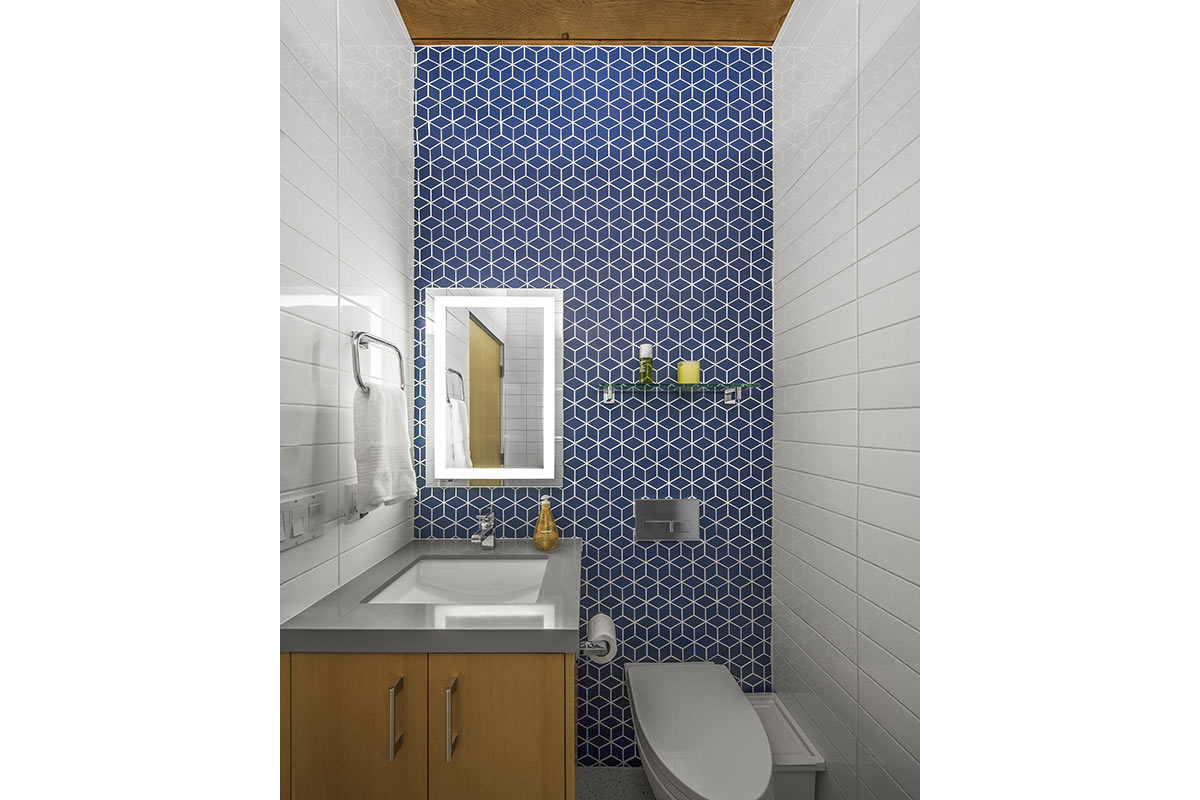
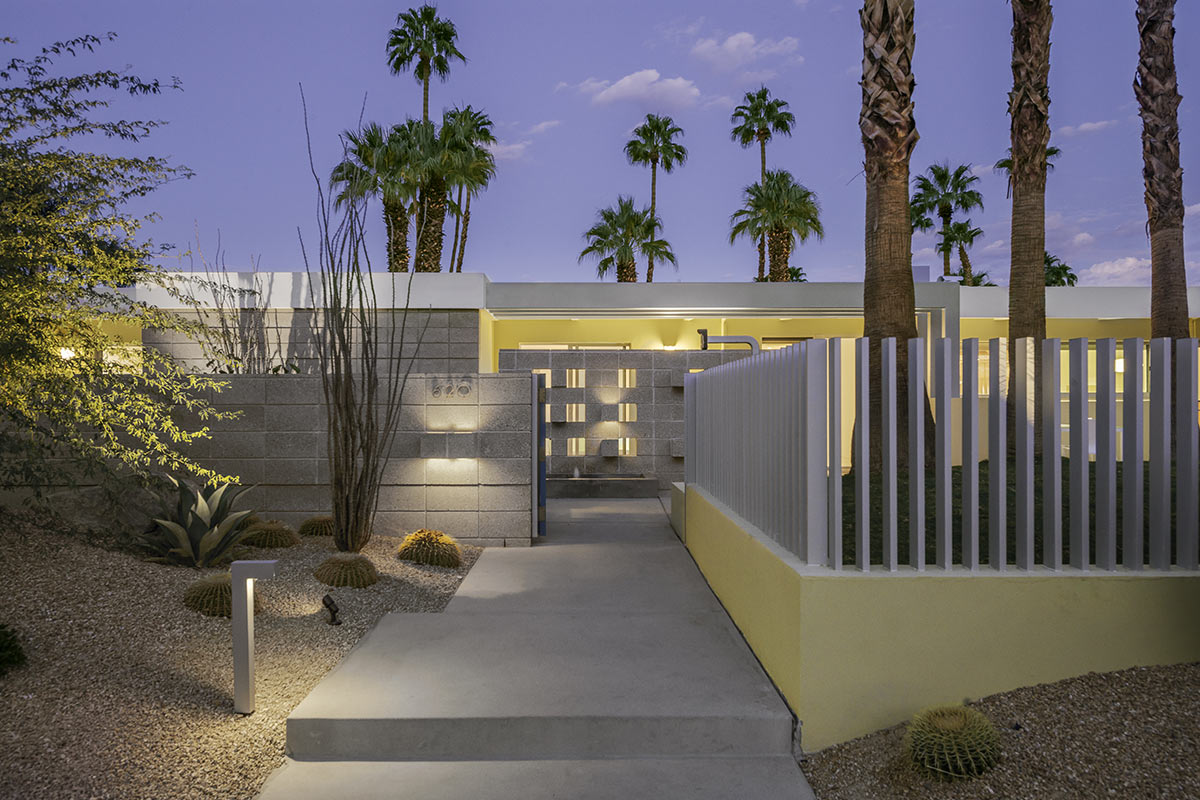
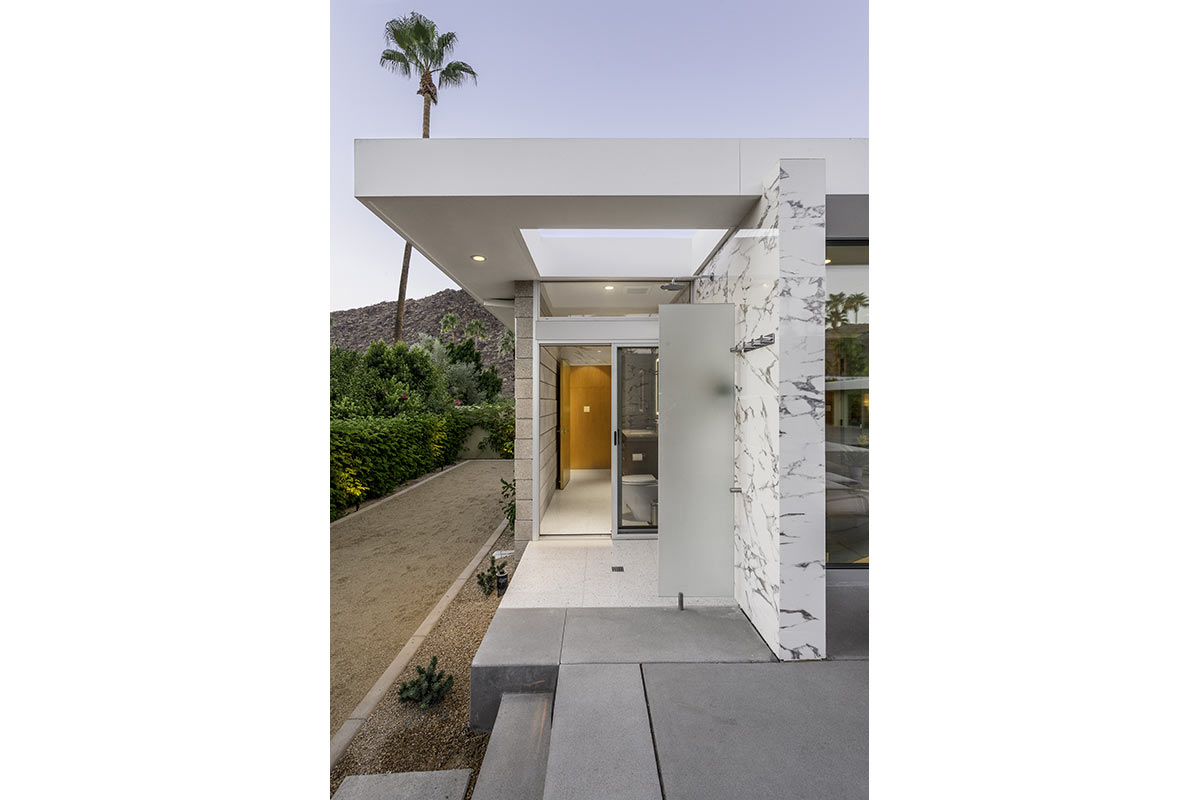
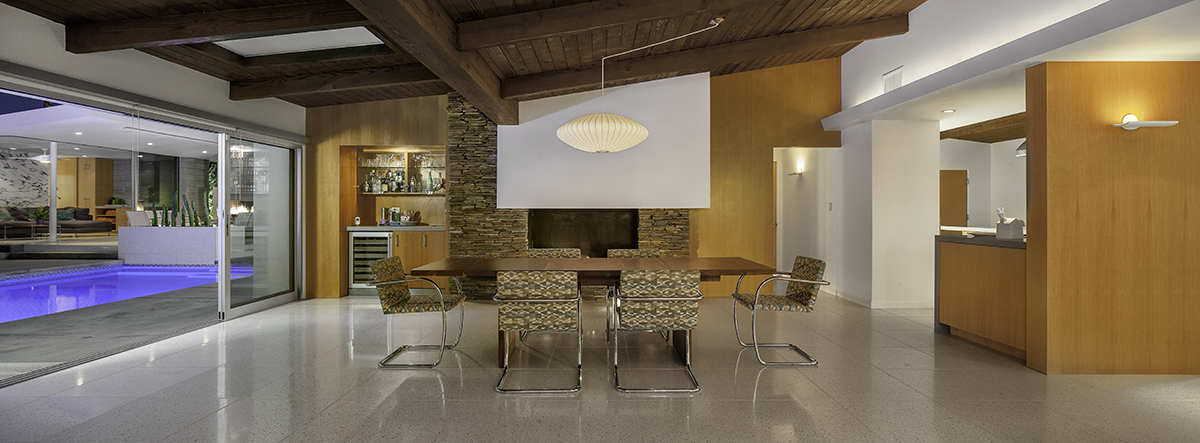
This 1959 Charles Du Bois-designed residence, built by the Alexander Construction Company, is among the earliest homes built in Vista Las Palmas. The current owners retained Corsini Stark Architects to rehabilitate and expand the low-slung residence to fit their contemporary needs. In addition to a full interior remodel, the project included an expansion to the north, a new casita, and a graphic-inspired landscape/hardscape. The pink and yellow colors outside are a nod to the home’s original color palette while the original door handles and escutcheons have been restored. Photography by Steve King Architectural Imaging. 

CATEGORY
INFORMATION
Project Type
Custom Residential
Location
Palm Springs, CA
Status
Completed 2023
Size
3100 SQ FT
Interior Design
Christopher Kennedy
Contractor
Palm Pacific Construction

Perlita Mews (Copy 1)

Perlita Mews

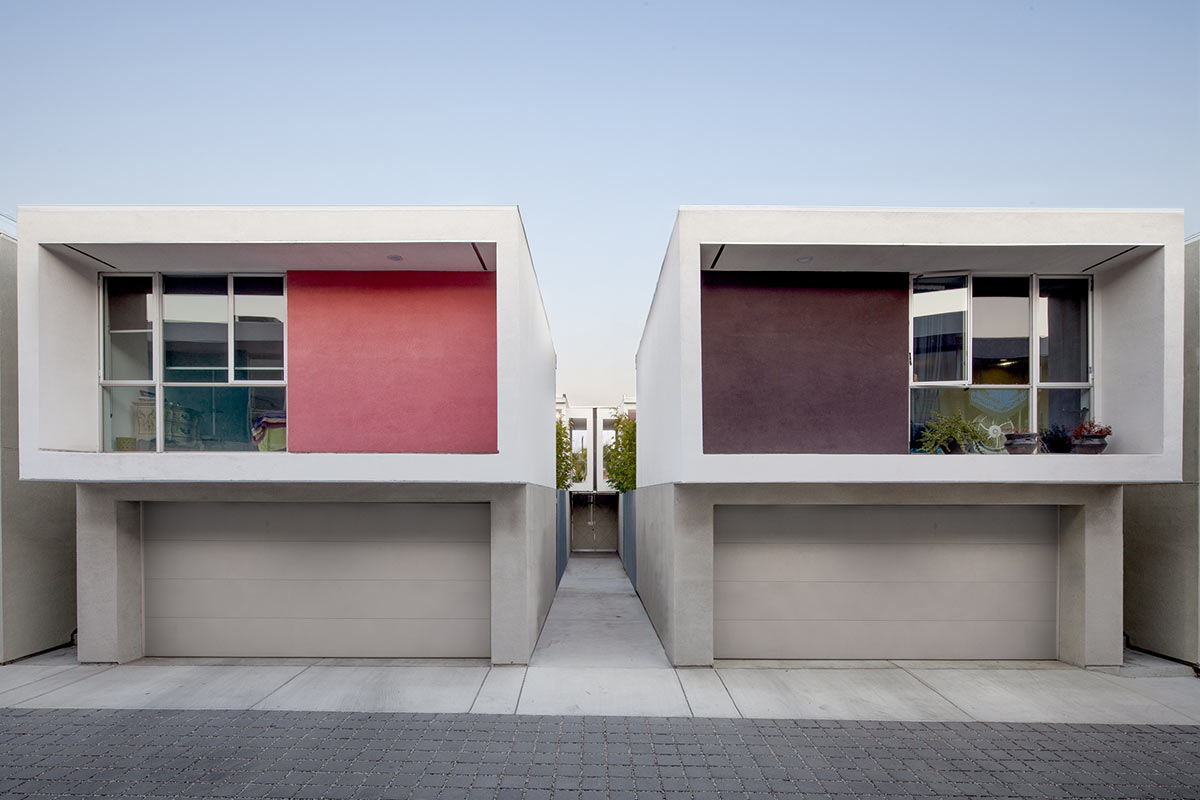
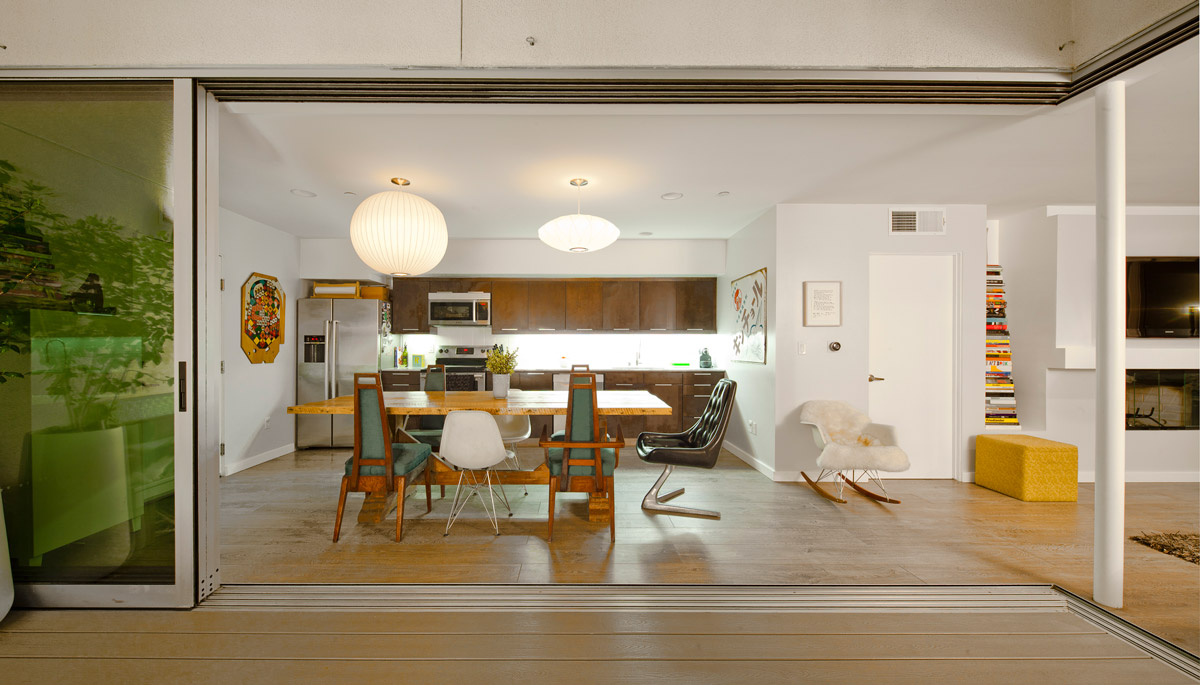
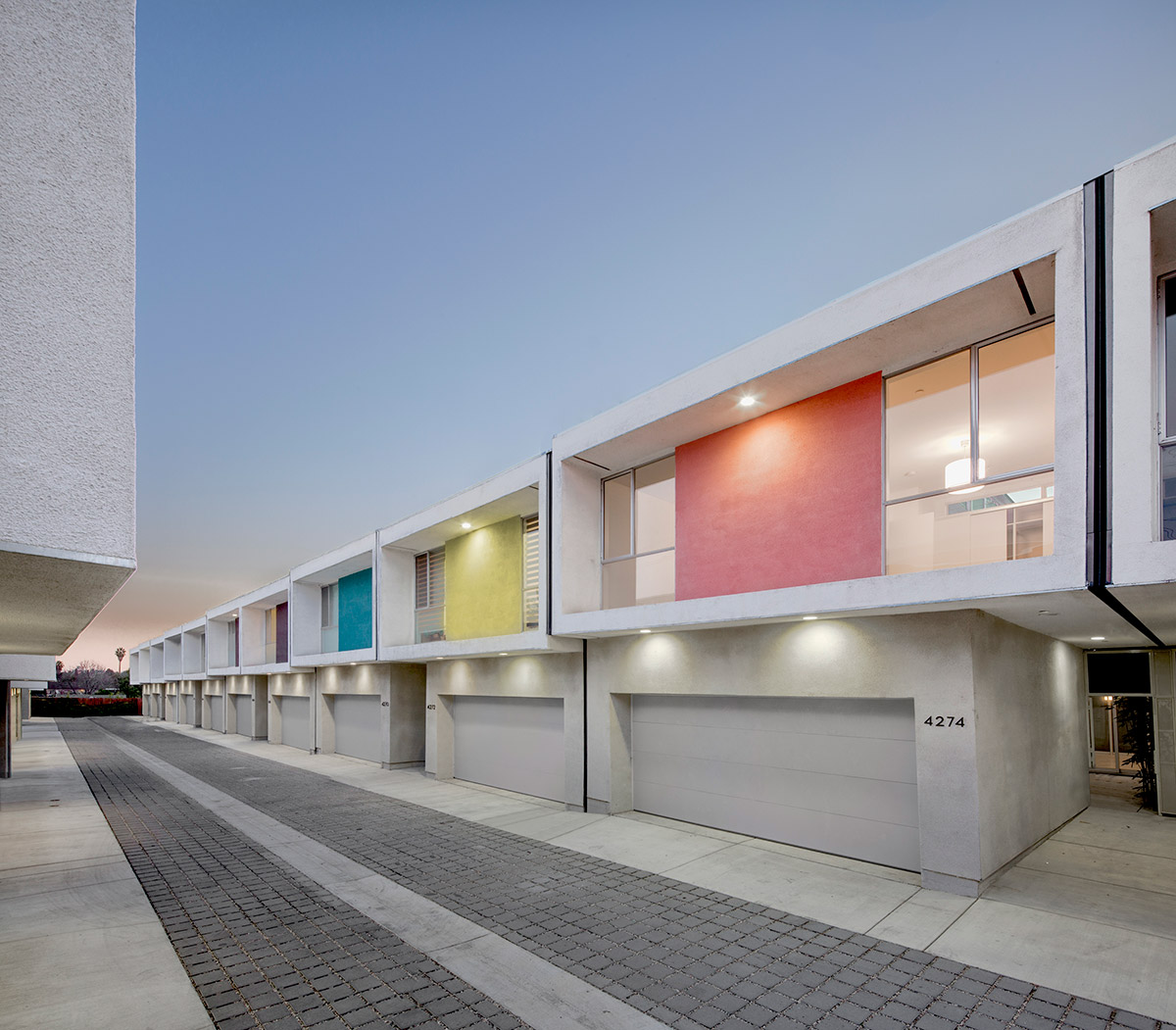
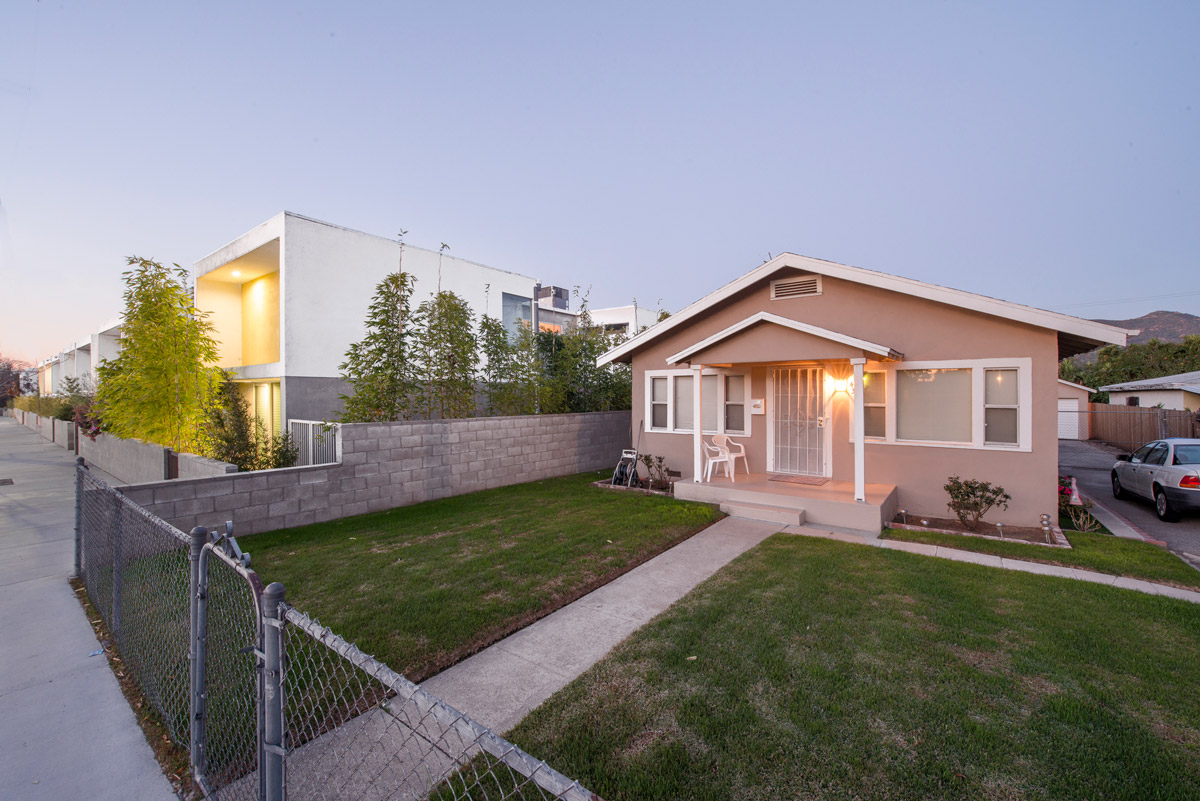
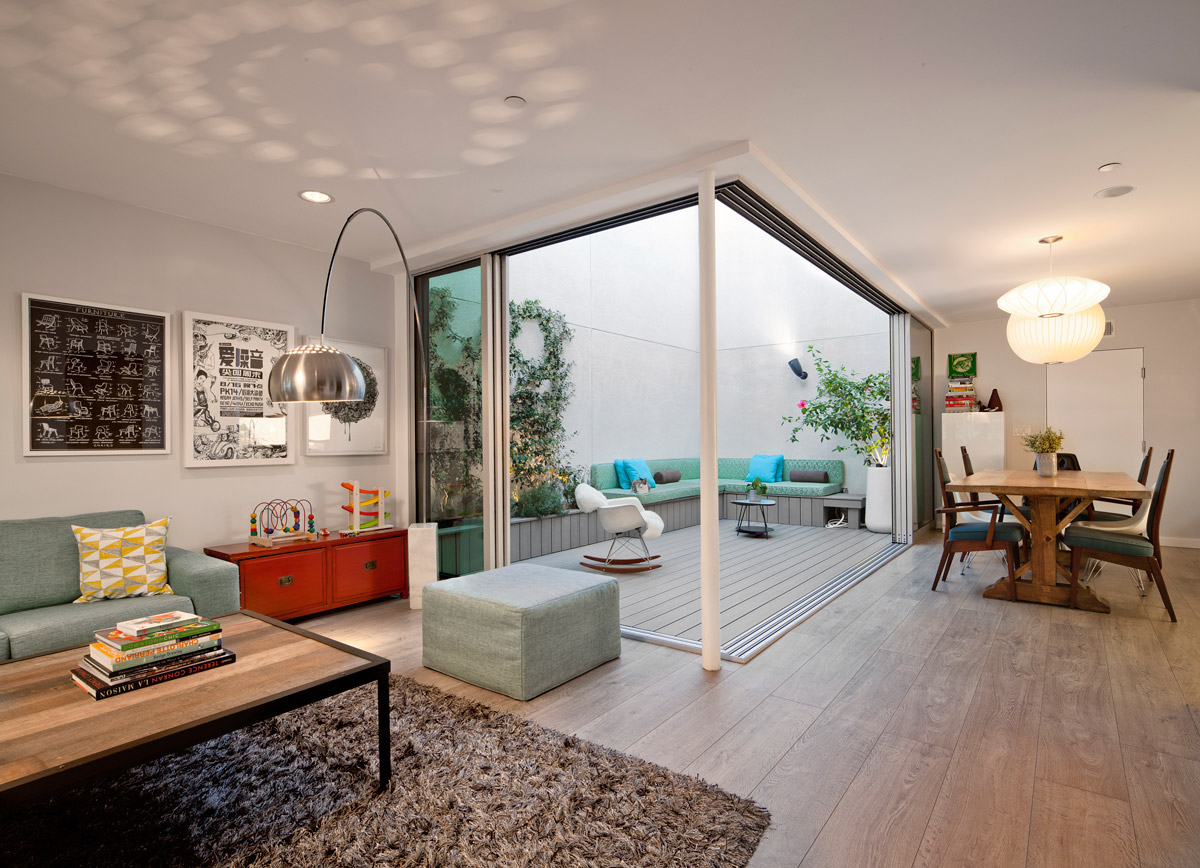
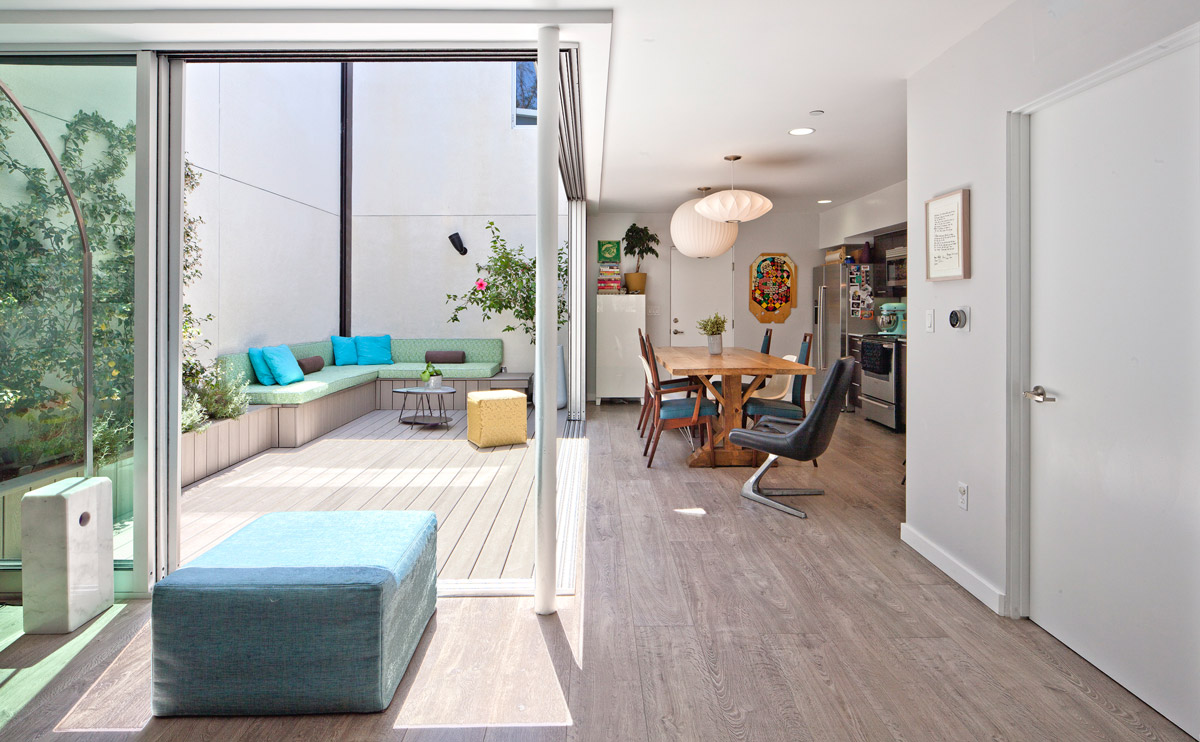
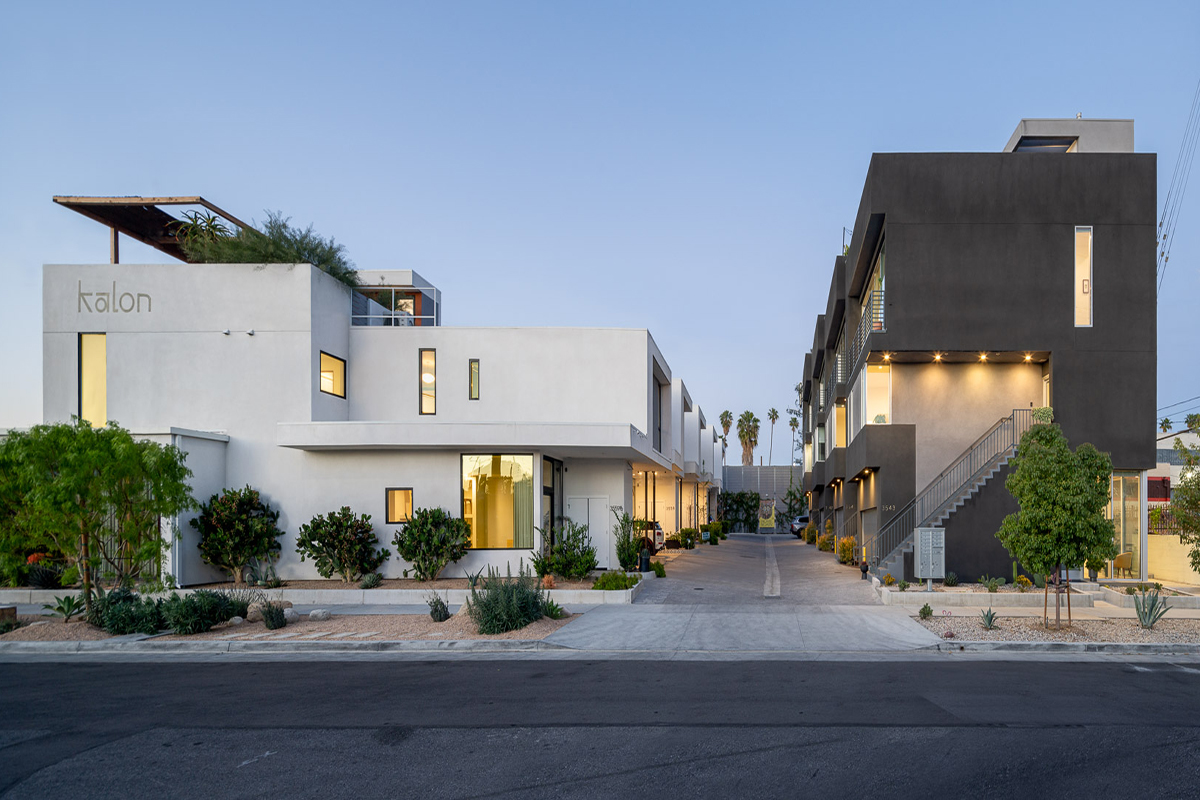
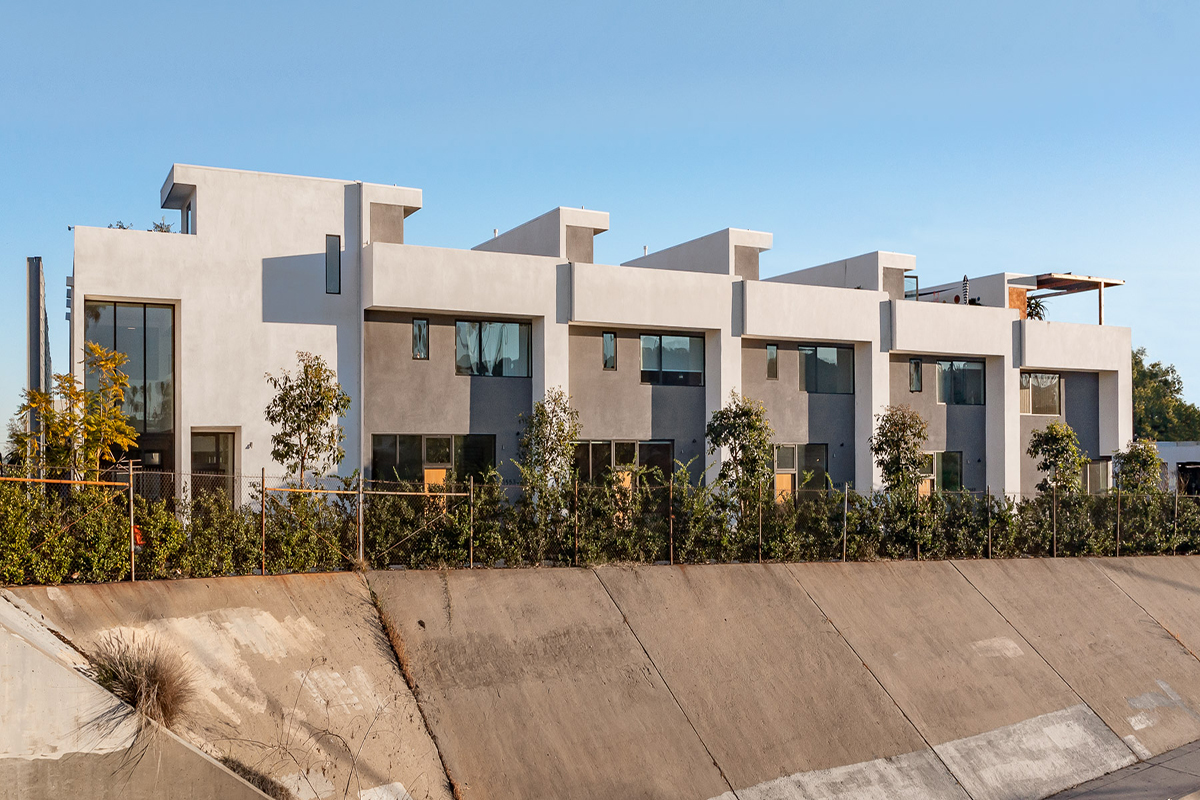
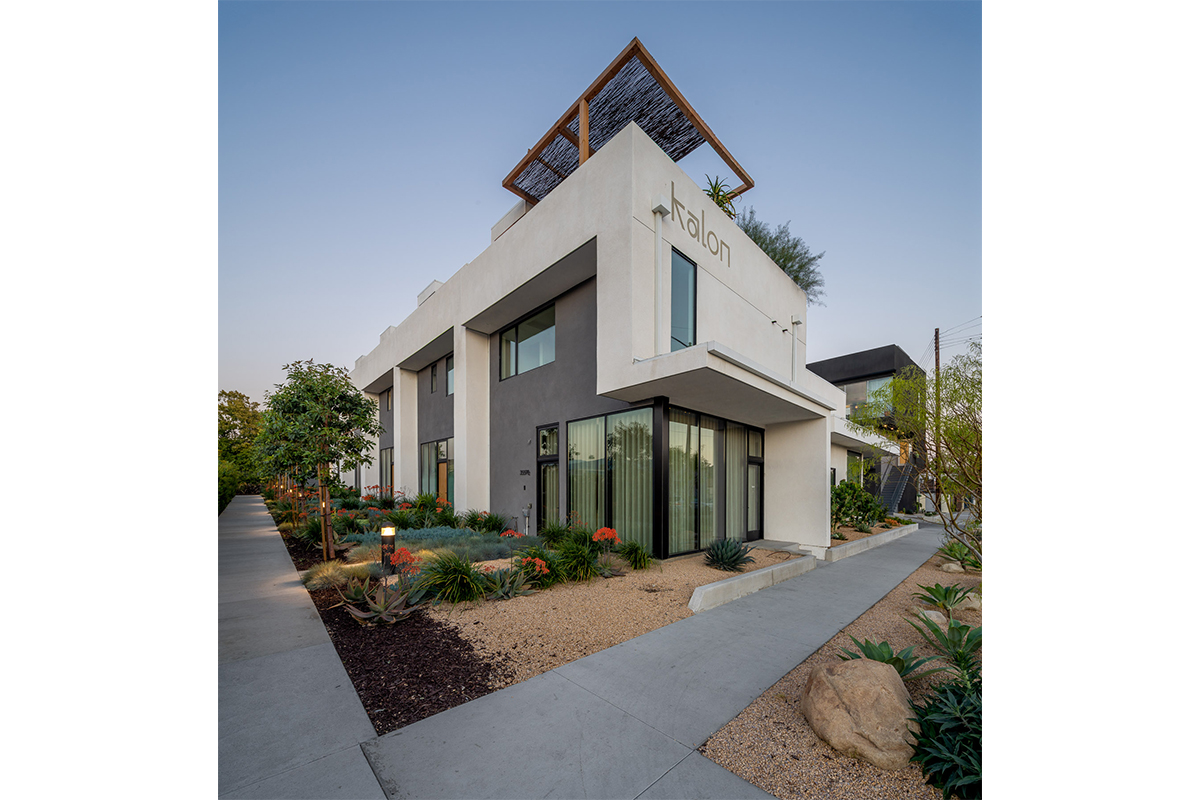
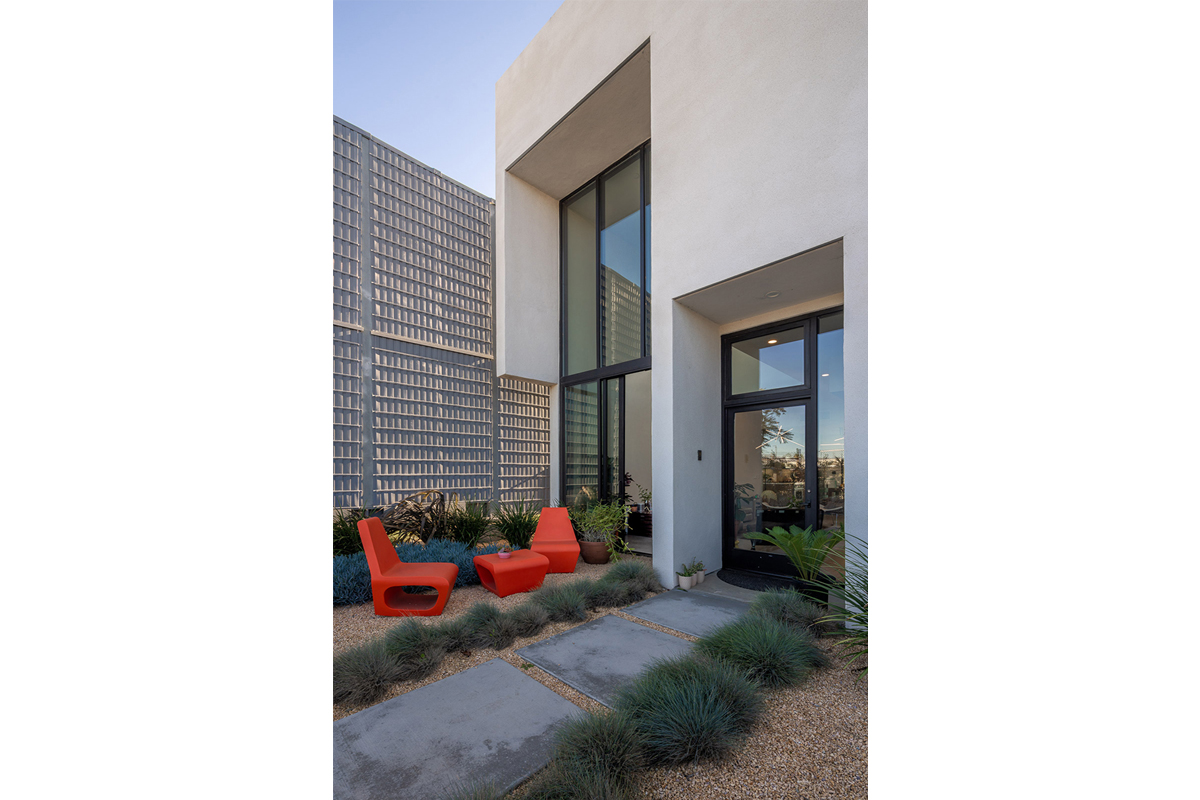
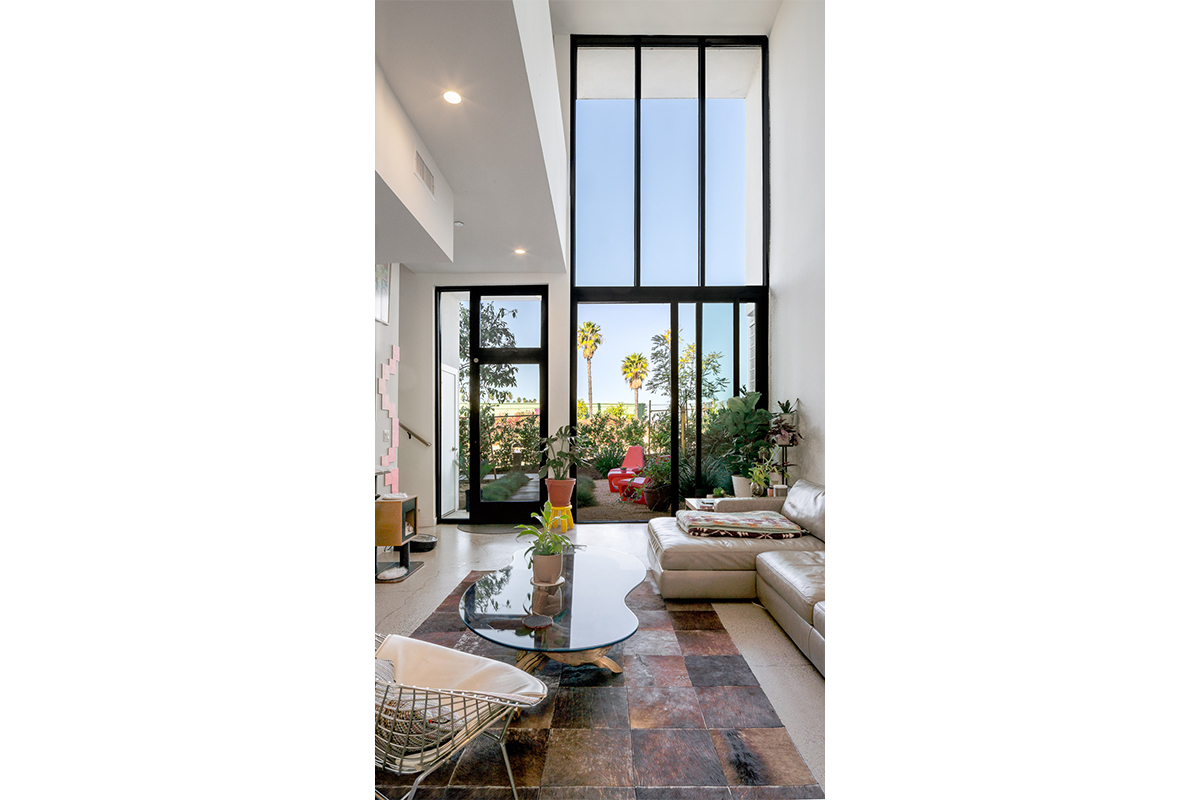
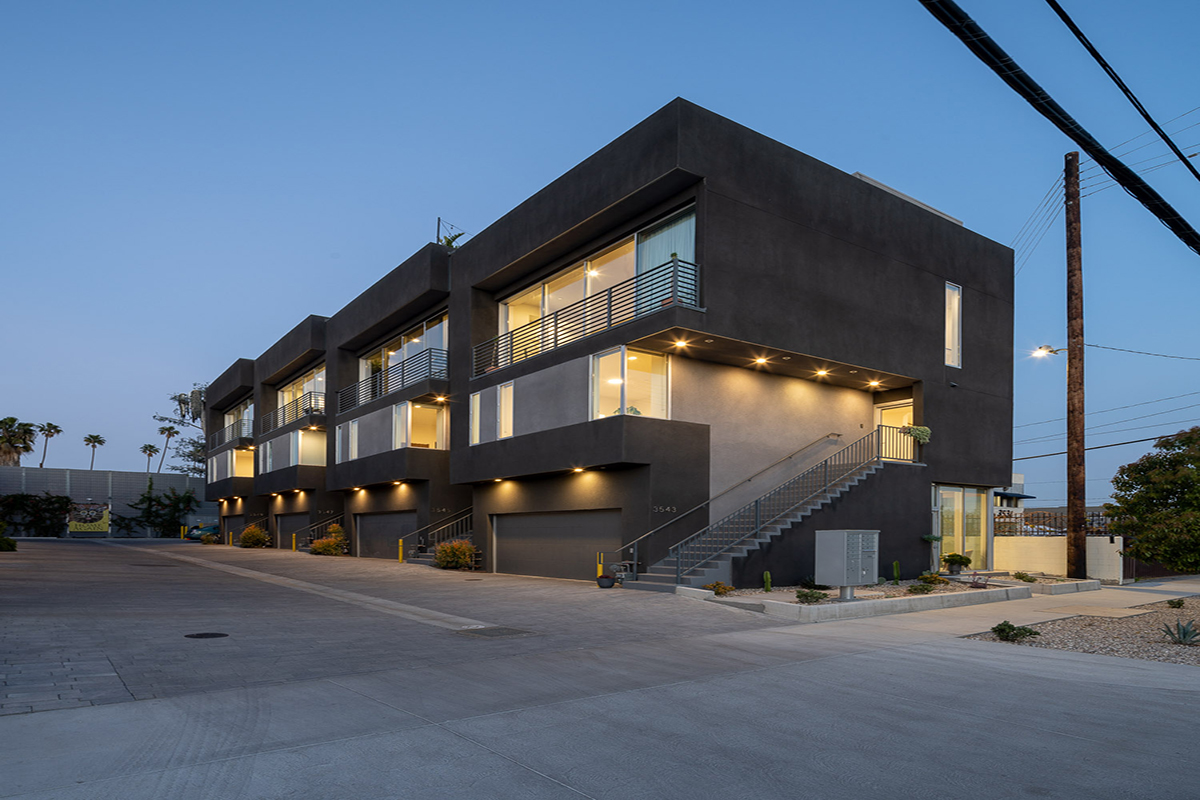
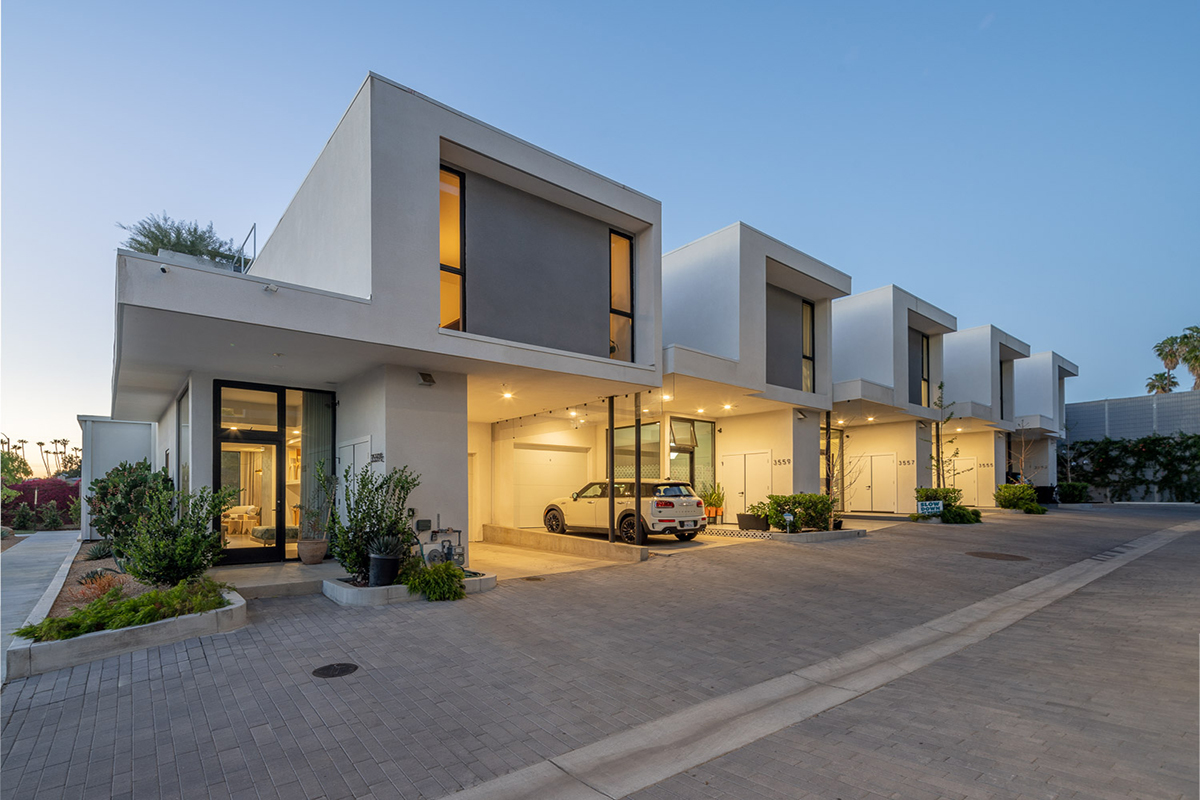
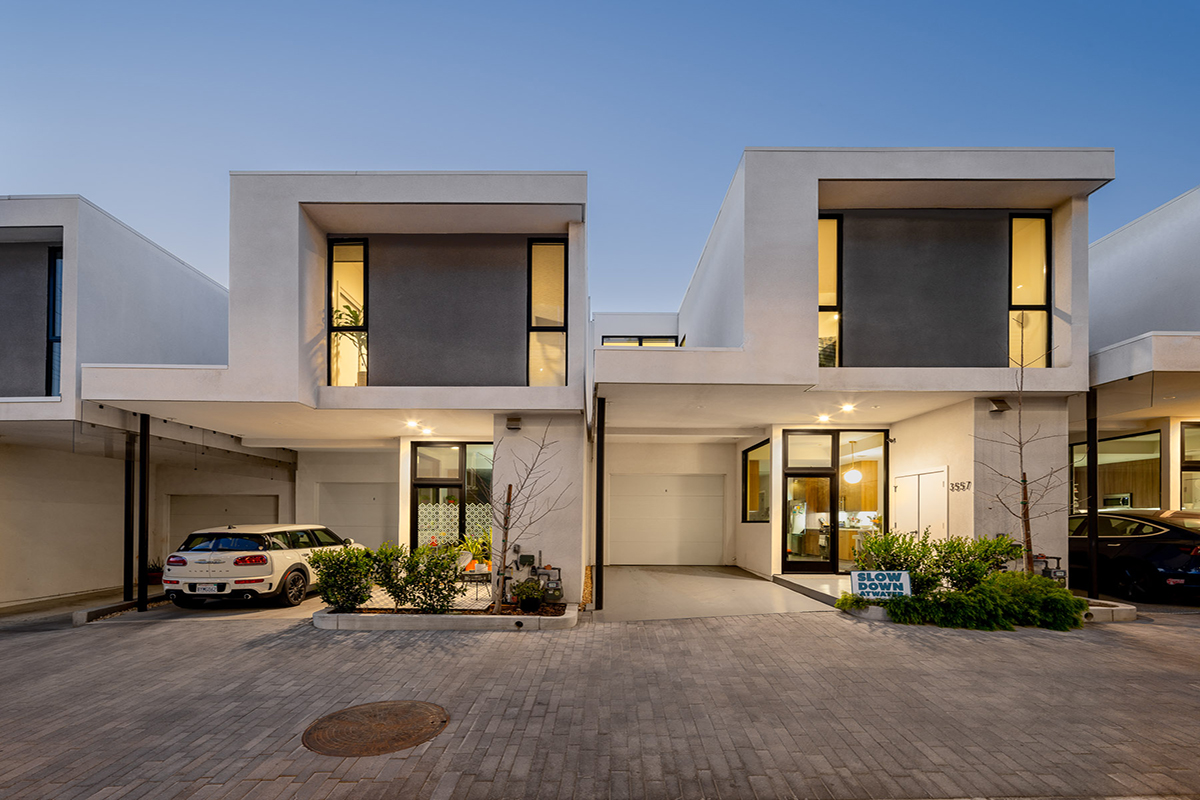
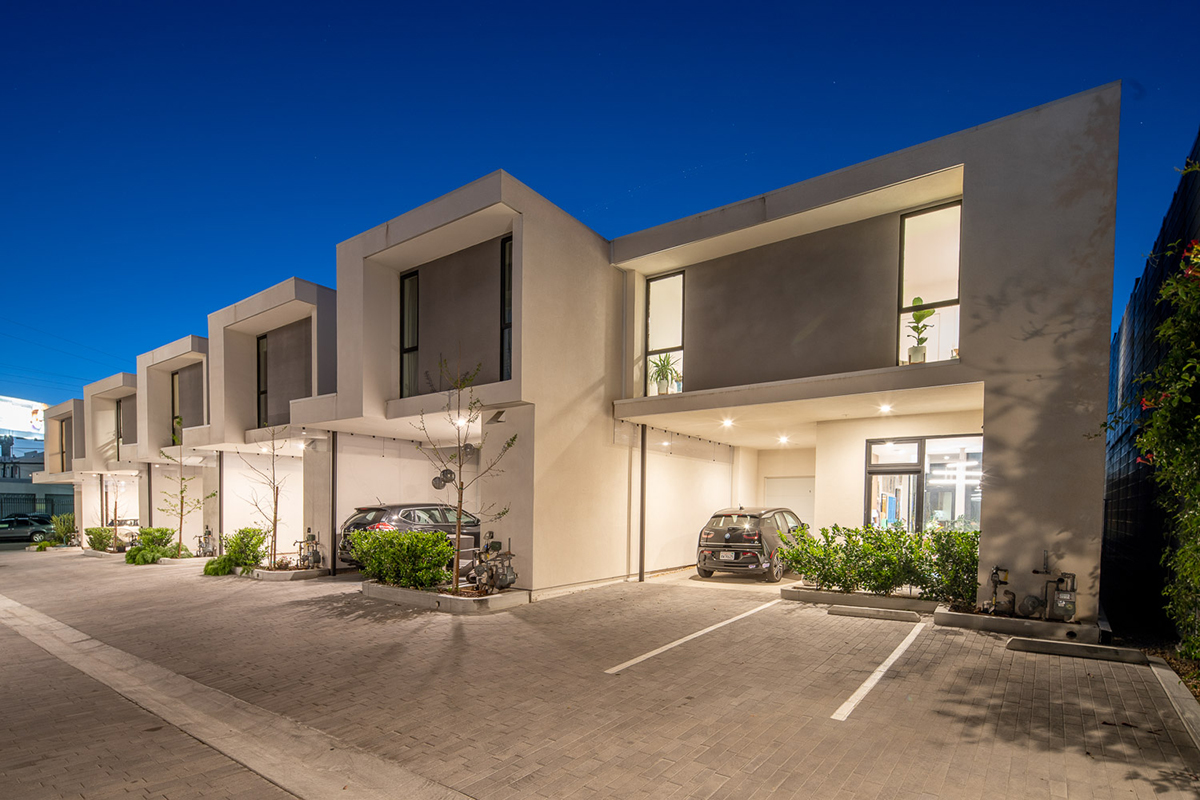
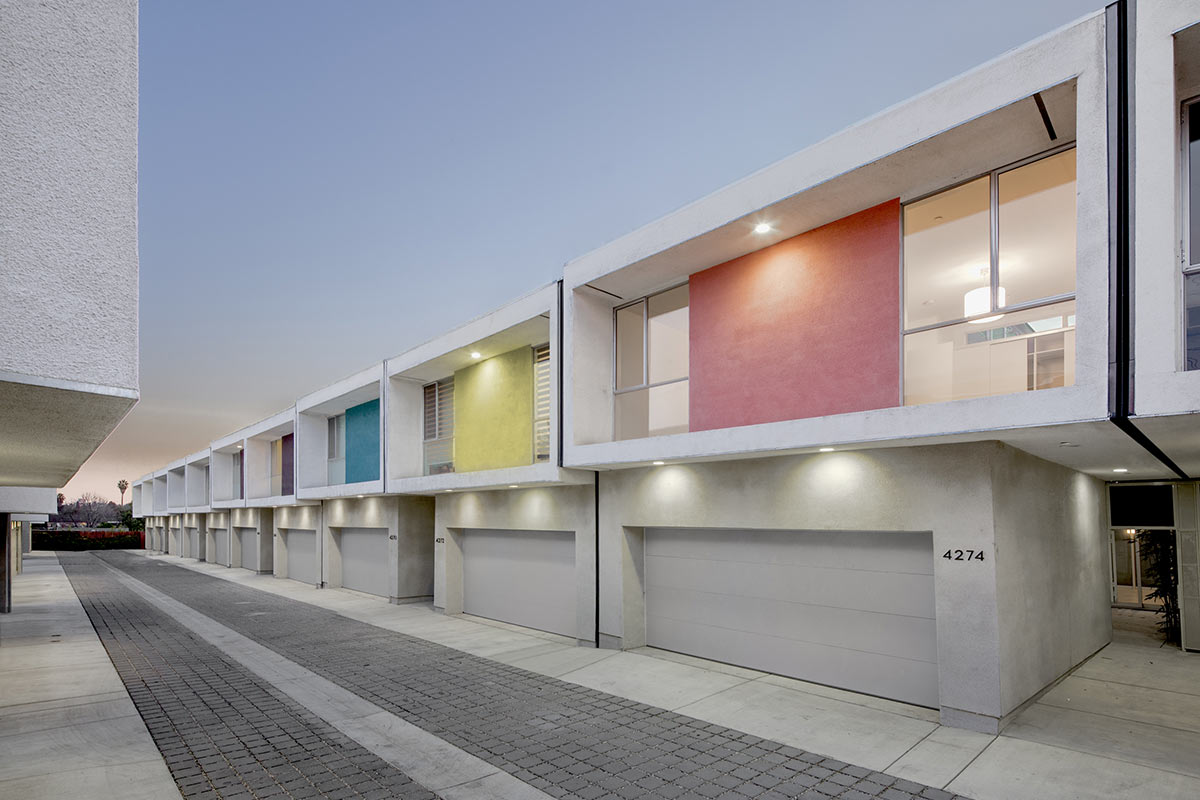
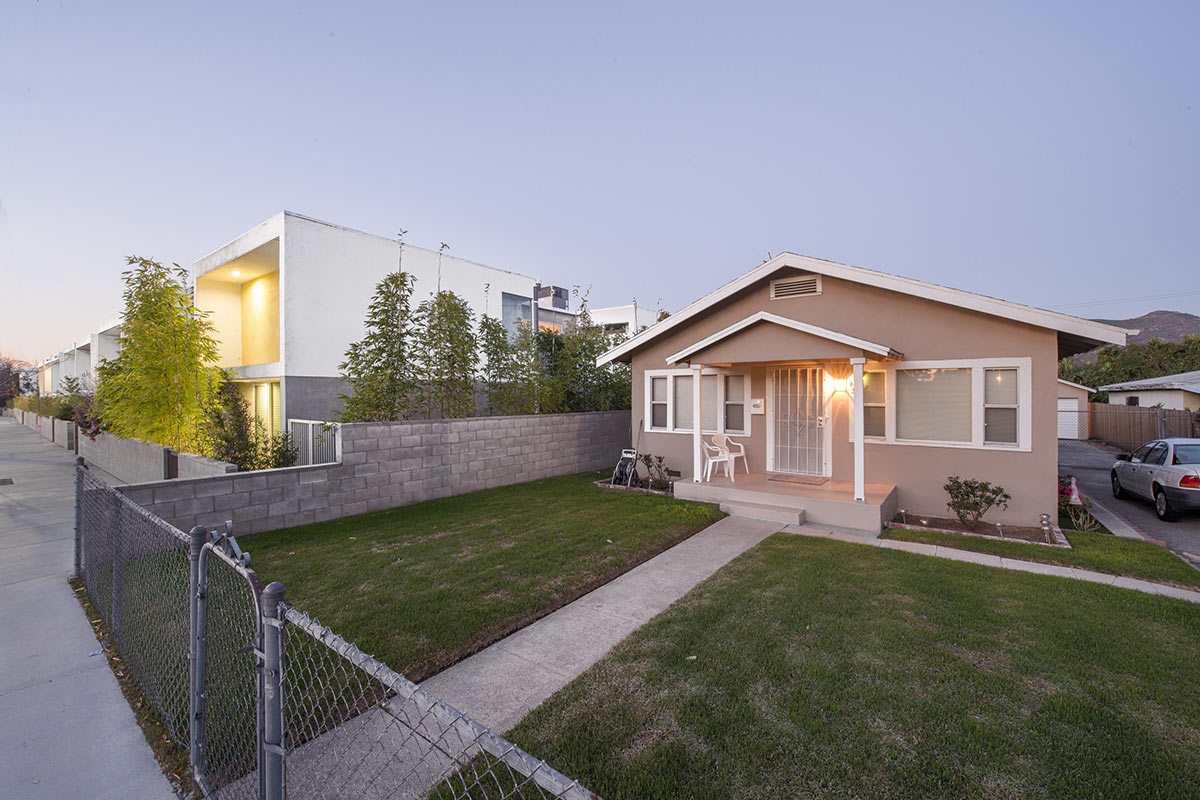
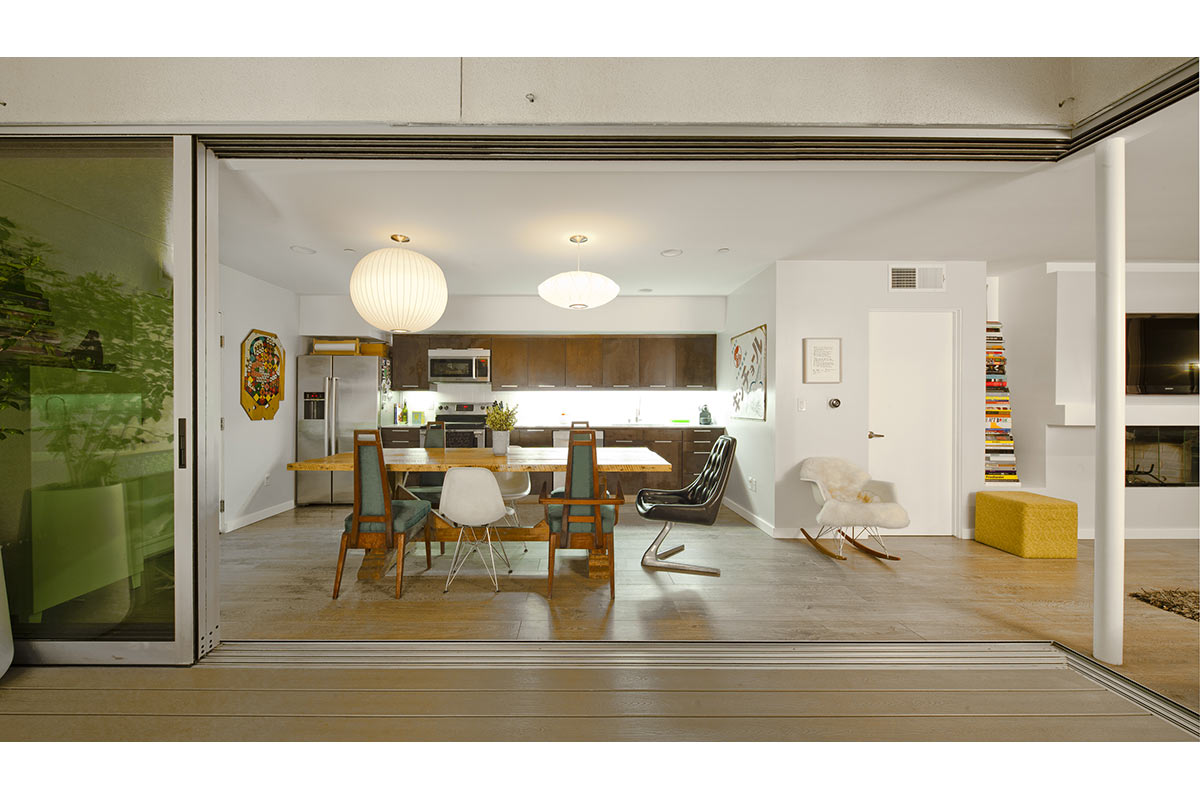
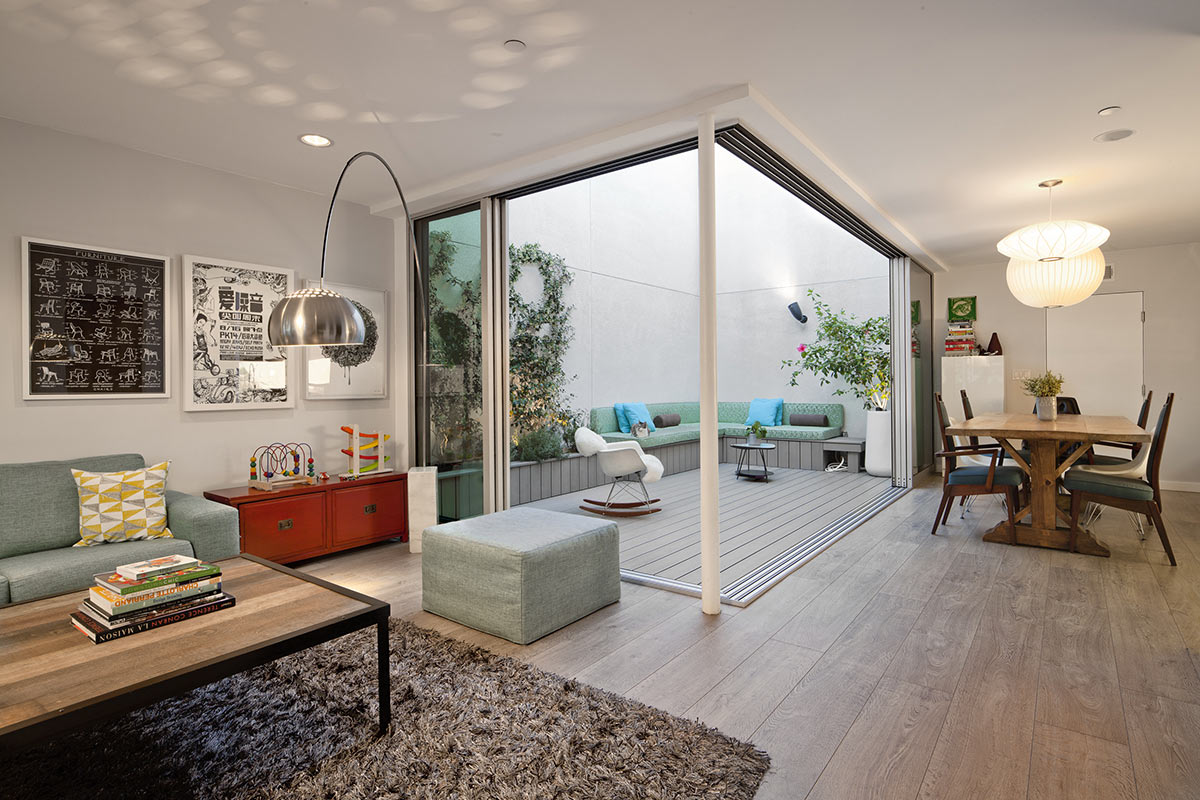
Perlita Mews demonstrates that sustainable urban density is achievable while maintaining and improving the desirable character of residential neighborhoods and in a manner suitable for families and extended families with children. A community of 23 small-lot single-family homes, accessed along an internal alley, this compact arrangement of houses is made possible by the City of Los Angeles’ Small Lot Ordinance. 

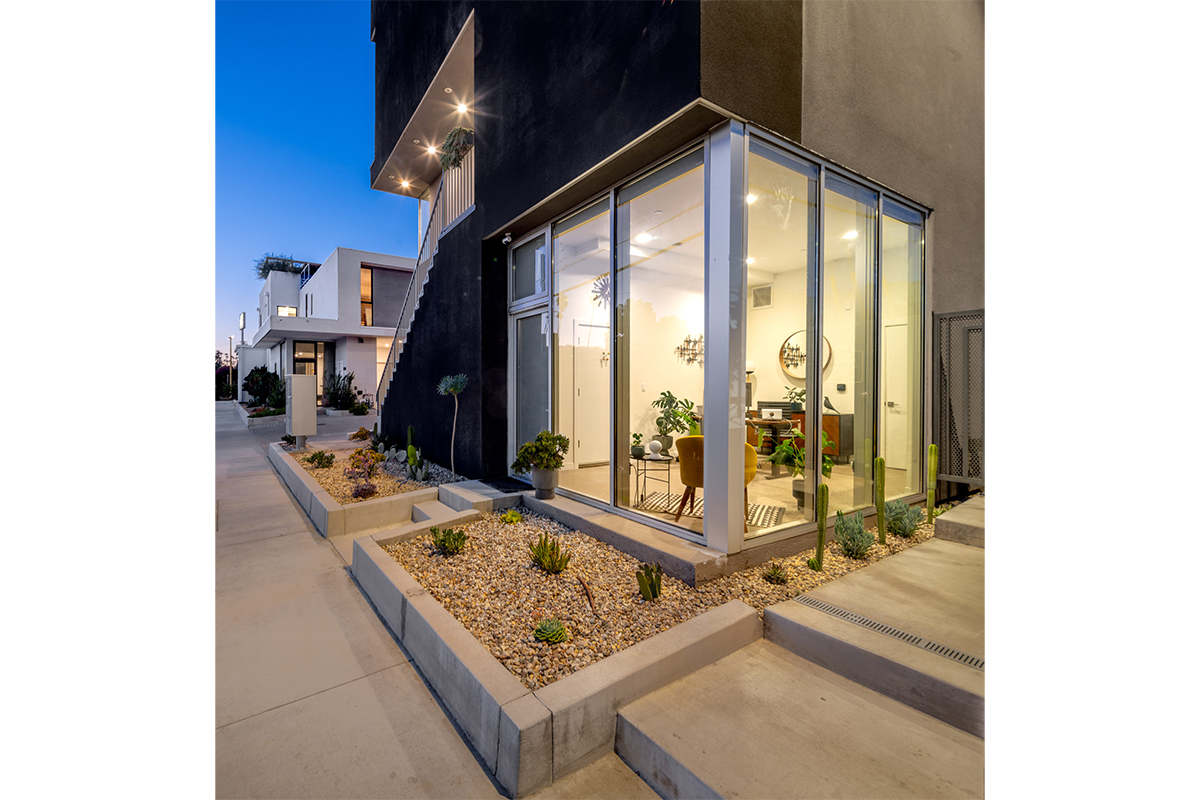
The front houses are entered directly from the street. Most of these houses also have an entrance to the second floor from the alley. The rear houses are accessed directly from the alley. This arrangement allows the street-facing houses to have a third bedroom with a separate entry that can be used as a granny flat, home office, or studio apartment. Also, two adjacent houses can be combined, with minor alterations, into a single large 6-bedroom courtyard house. We believe this flexible and adaptable concept is unique in Southern California and will create both a neighborhood community suitable for young families, extended families, and substantial privacy for people who desire it.

CATEGORY
INFORMATION
Project Type
23 Single-Family Residences
Location
Atwater Village, Los Angeles, CA
Status
Completed 2012
Size
Lot size: 35,400 SF Units: 1300 — 1600 SF

Atwater Union

The site is located between a manufacturing zone to the east and a commercial zone to the south. The city’s live-work ordinance was applied for the first time to a small lot subdivision to legally allow in-home businesses at this location.

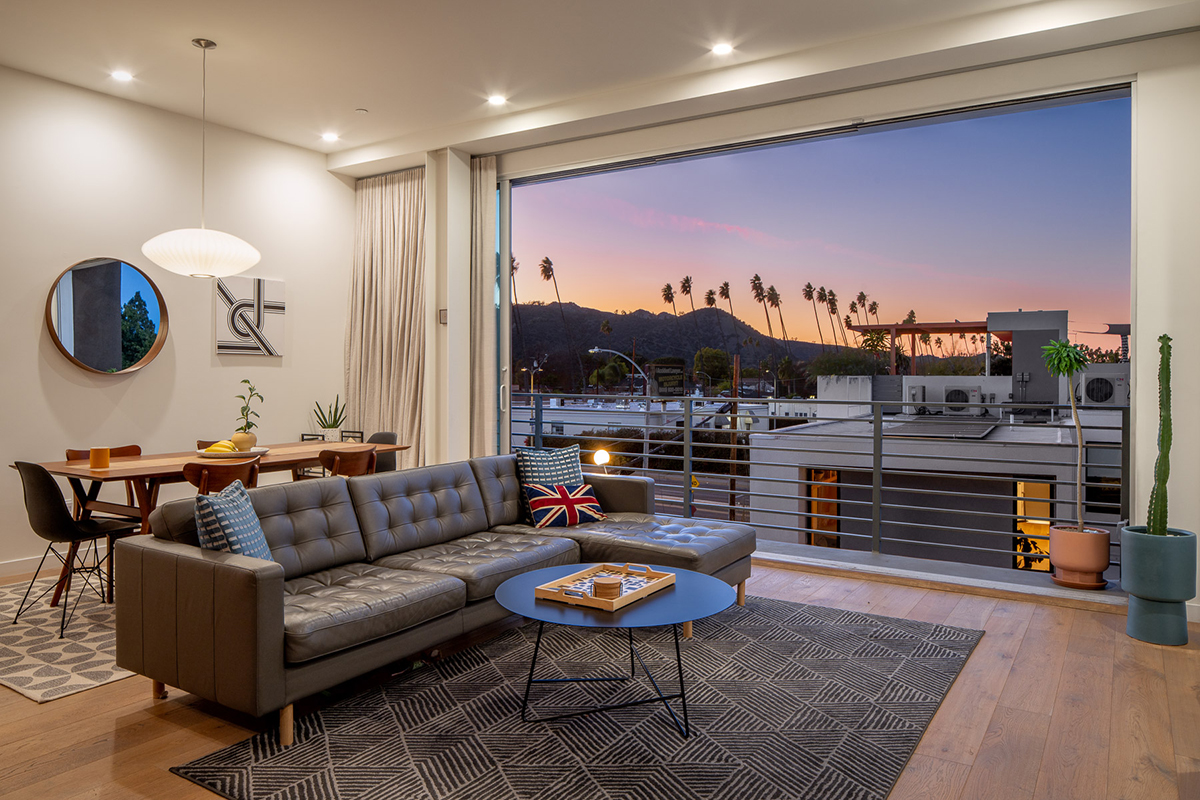
Living spaces for Unit Type A are placed on the third level, convenient to the roof terrace immediately above, and allowing views over the two-story Type B houses towards the Griffith Park hills. Residents are required to exit their garage into the mews and enter their home using the open-air stair that spills out into the mews, forming a stoop. There is no internal connection from the garage. The designated workspace is accessed from the side yard on the east and from the garage, but not directly from the residence above.

For Unit Type B, a single car garage and carport are arranged in tandem. A small patio is provided outside the kitchen and contiguous with the carport to create a semi-private space along the mews. This arrangement, together with the Unit A entry stoop across the way, will cause neighbors to enter the mews space to before accessing their car.
Private front yard gardens are located on the Glendale Blvd. frontage, similar to those on the Venice Beach walk streets, and directly access the public sidewalk leading to stores and restaurants in the commercial district.

It’s similar to the literary idea: in this architectural case, the design responds to the rhythms of daily life (such as with the carport/patio idea and its relation to the stairway/stoops across the mews to embody the daily routine of coming and going, building in a way for people to see their neighbors in public space), and also using the formal device of physical repetition, theme and variation, to create rhythm in the project’s visual, outward massing…giving it a visual heartbeat, so to speak. And the repetition, or beat, of the tall, wider black Type A units, with the low, narrower, white Type B units along the mews is a true syncopation. 

CATEGORY
INFORMATION
Project Type
Single-Family Townhouses
Location
Atwater Village, Los Angeles, CA
Status
Completed Fall, 2019
Size
Site Area:19,815 SF/.45 acre Building Area: 16,600 SF

Stover Cottet Residence

Addition and renovation of mid-century modern residence, $1.2 million construction budget; 3,700 SF

CATEGORY
INFORMATION
Project Type
Single-Family Residence
Location
Beverly Hills, CA
Status
Completed 2008
Size
3,700 sq. feet

Perlita Mews

Perlita Mews demonstrates that sustainable urban density is achievable while maintaining and improving the desirable character of residential neighborhoods and in a manner suitable for families and extended families with children. A community of 23 small-lot single-family homes, accessed along an internal alley, this compact arrangement of houses is made possible by the City of Los Angeles’ Small Lot Ordinance. 

The front houses are entered directly from the street. Most of these houses also have an entrance to the second floor from the alley. The rear houses are accessed directly from the alley. This arrangement allows the street-facing houses to have a third bedroom with a separate entry that can be used as a granny flat, home office, or studio apartment. Also, two adjacent houses can be combined, with minor alterations, into a single large 6-bedroom courtyard house. We believe this flexible and adaptable concept is unique in Southern California and will create both a neighborhood community suitable for young families, extended families, and substantial privacy for people who desire it.

CATEGORY
INFORMATION
Project Type
23 Single-Family Residences
Location
Atwater Village, Los Angeles, CA
Status
Completed 2012
Size
Lot size: 35,400 SF Units: 1300 — 1600 SF

Gilbert Kivett Residence

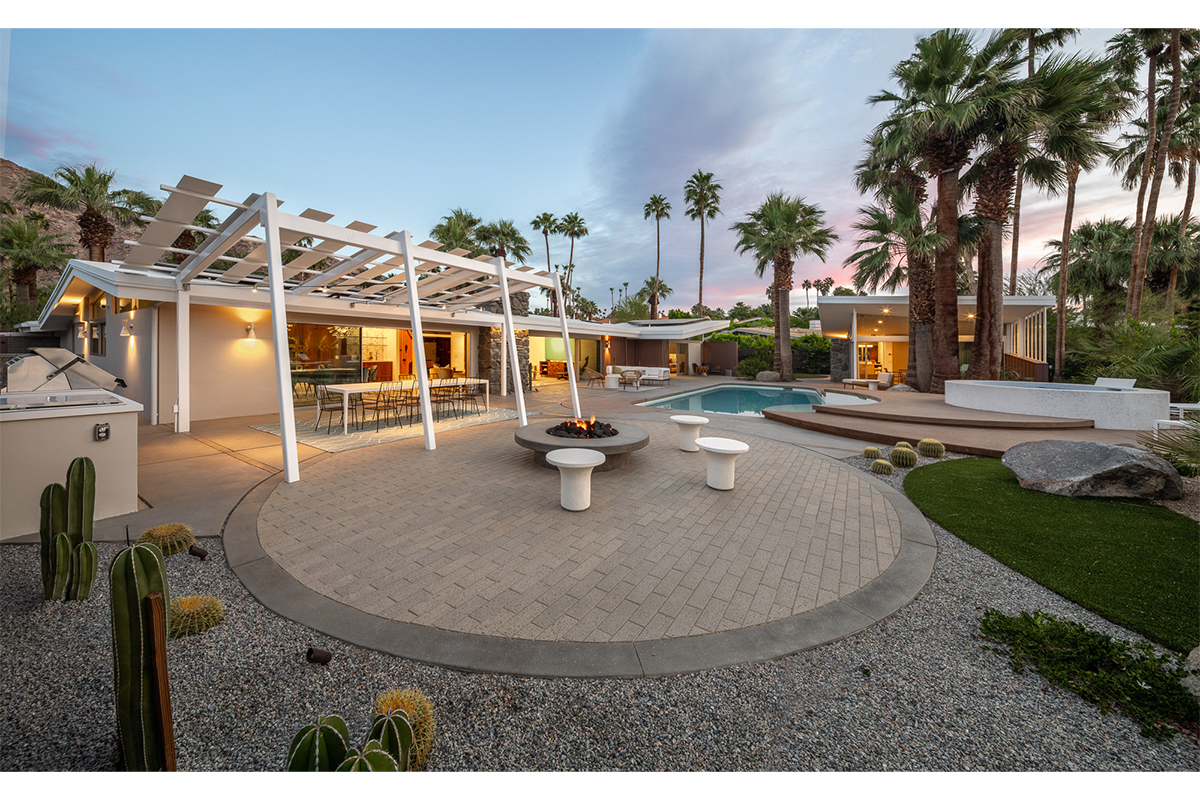
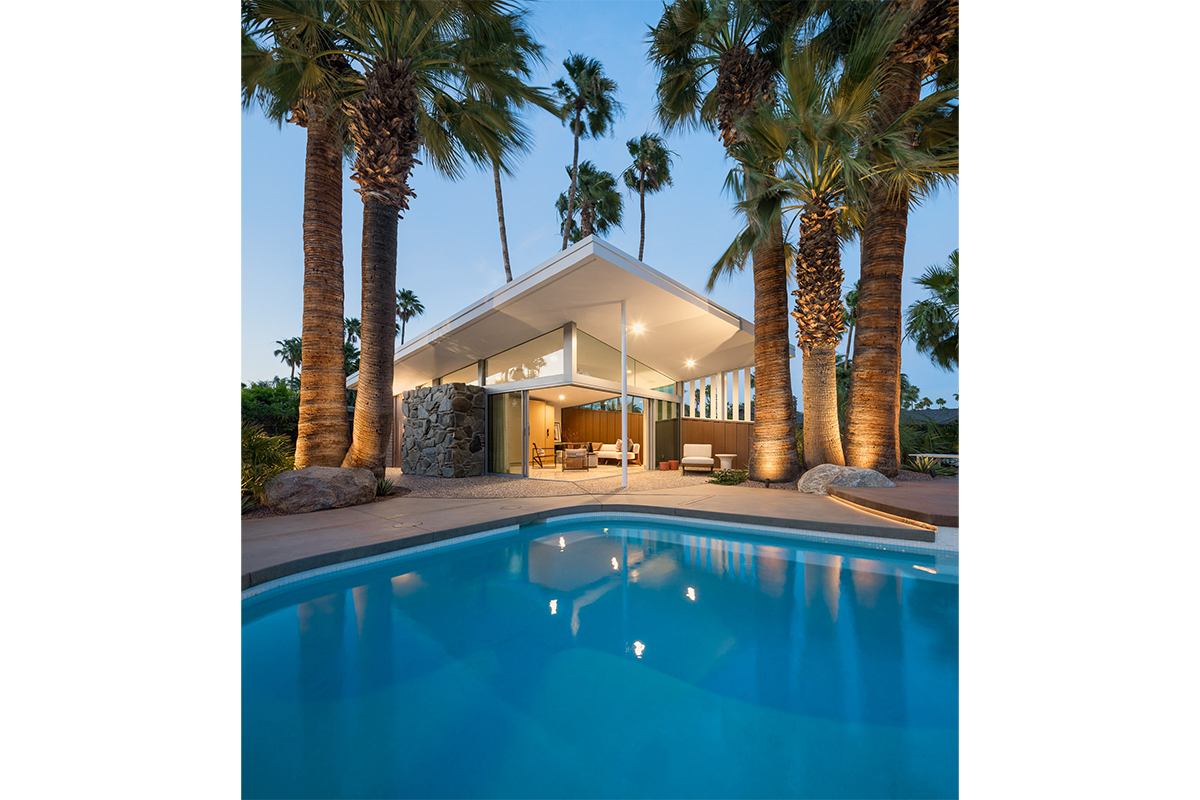
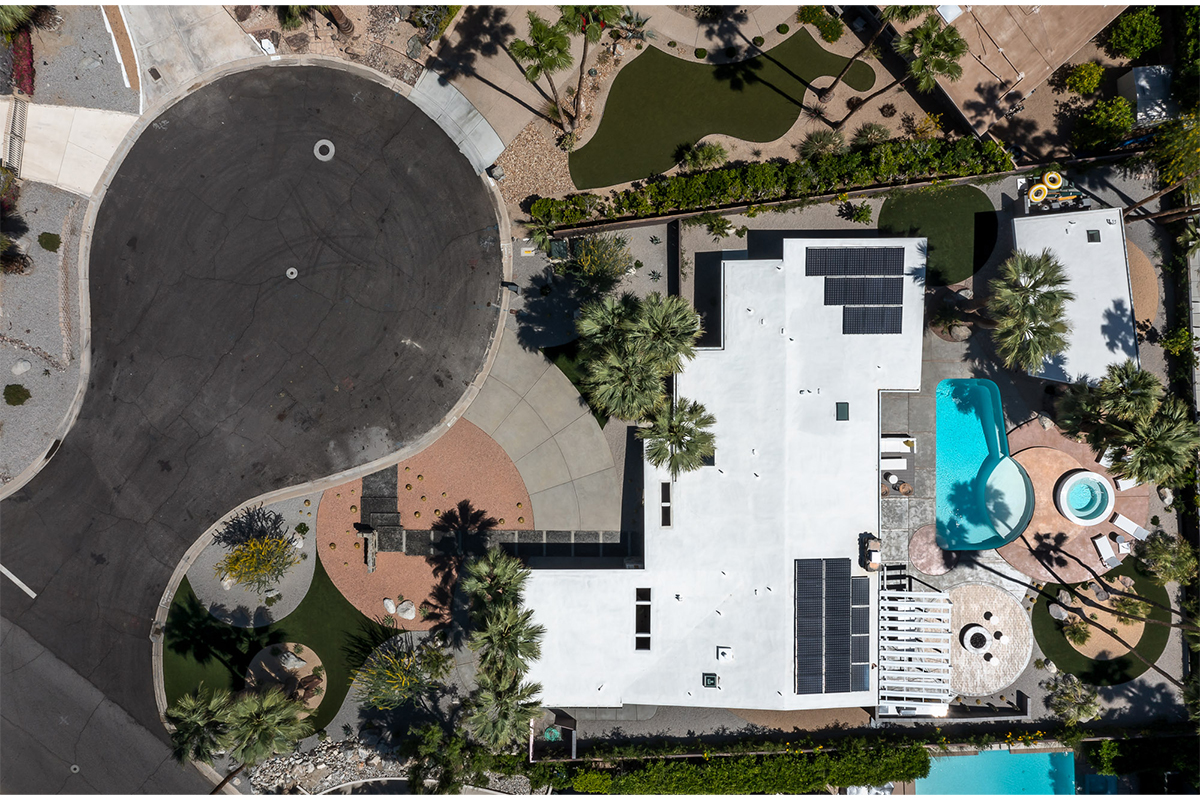
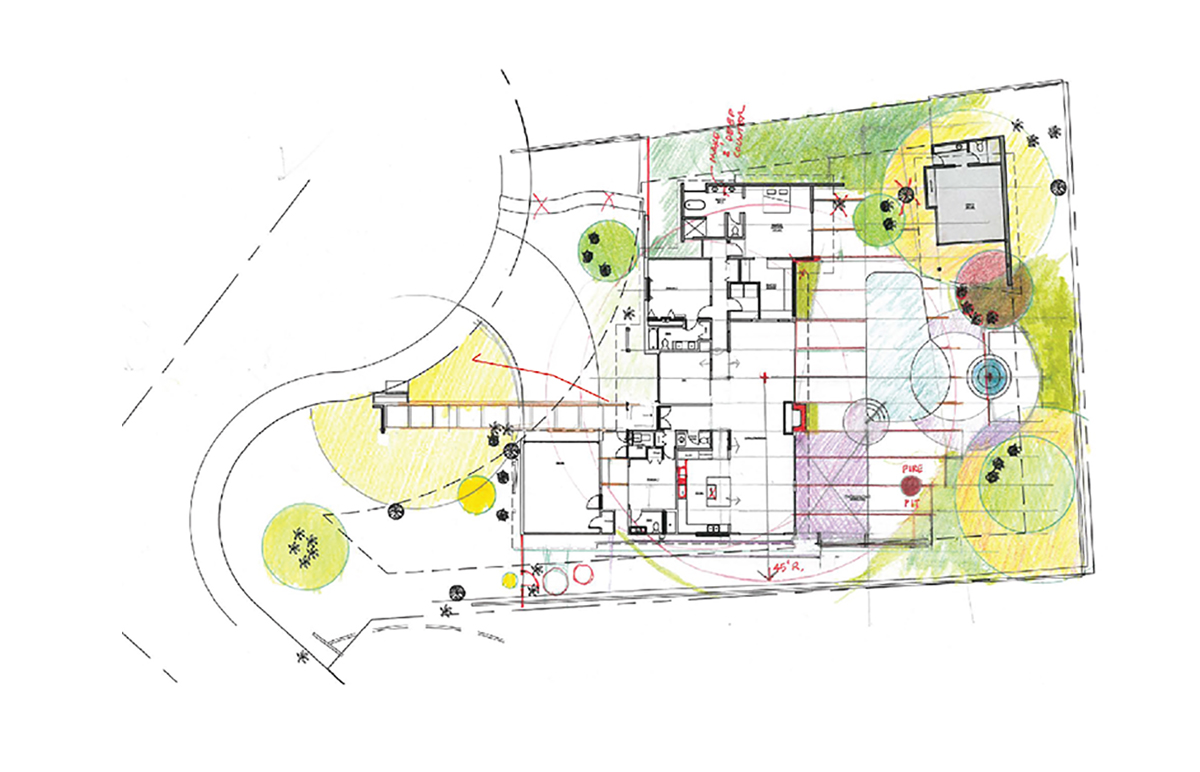
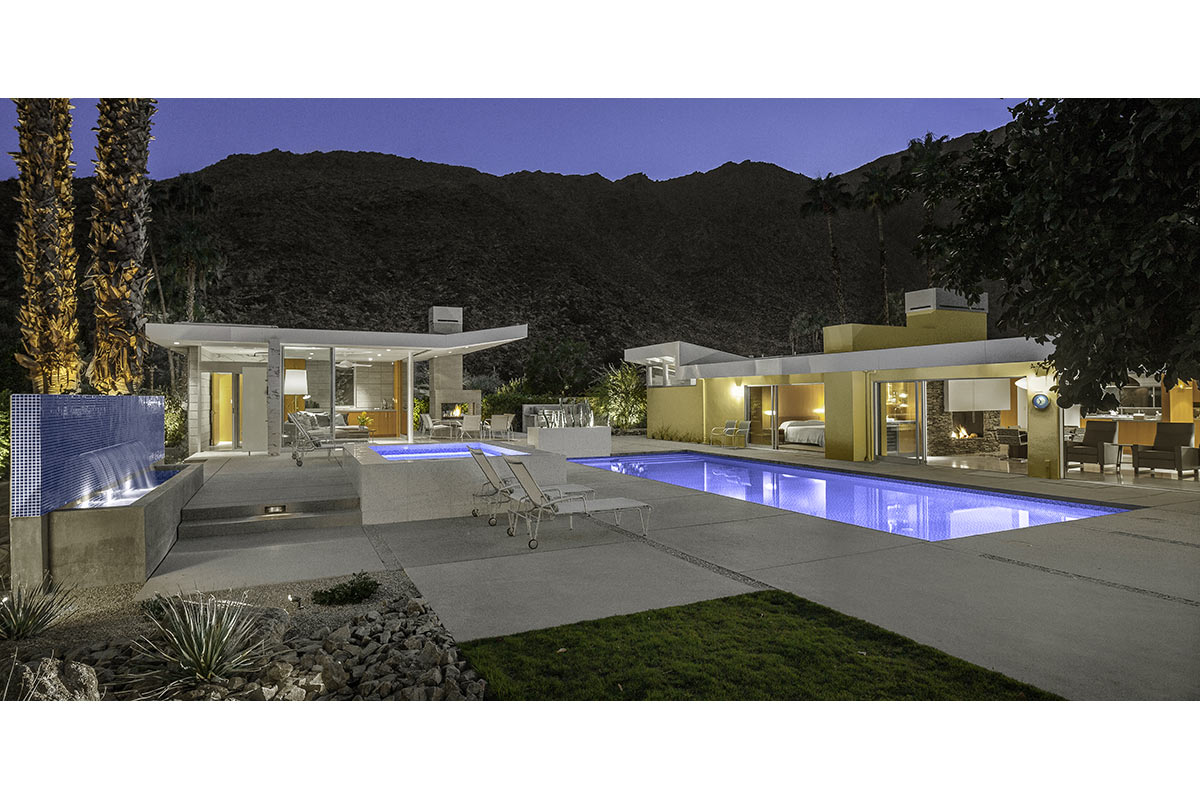
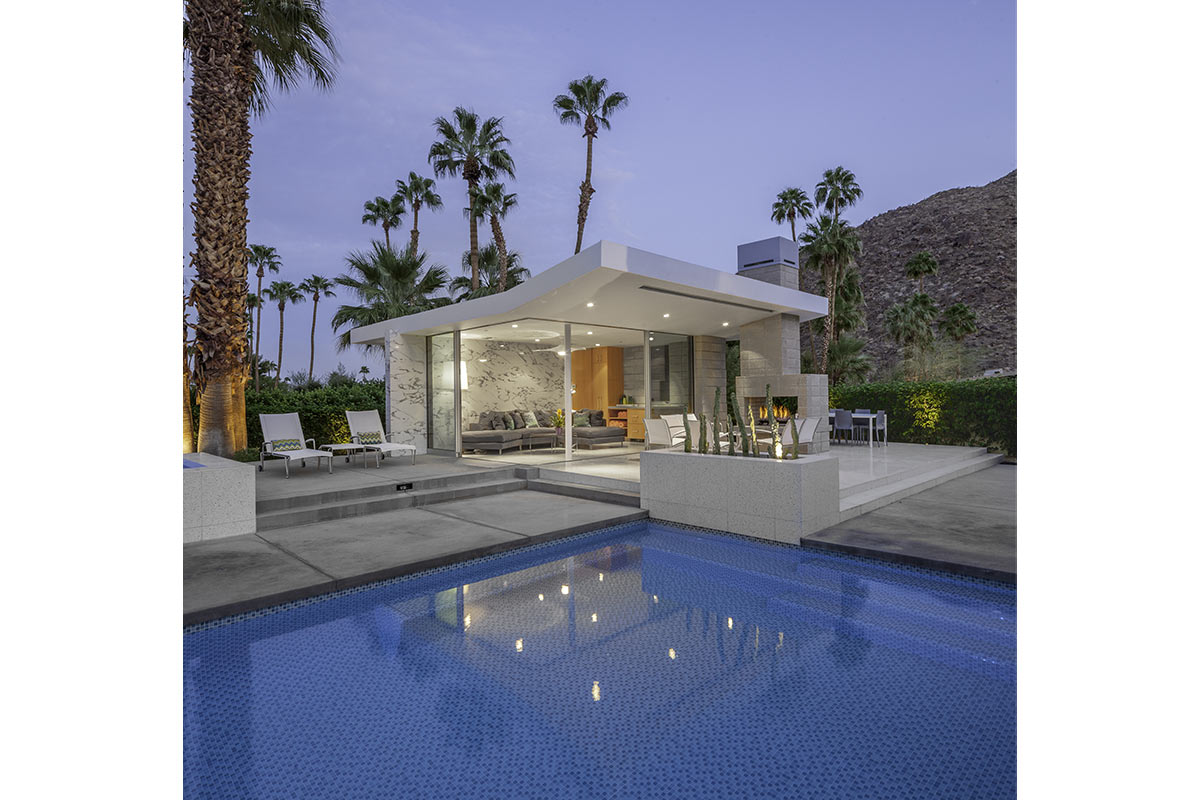
The corner lot at the base of San Jacinto Mountain in the Vista Las Palmas tract in Palm Springs included an altered mid-century residence originally designed by Charles Dubois. The house has a simple, gabled roof originally in the ‘Atomic Ranch’ style and sweeping mountain views to the west and south. The new owners desired a comprehensive, contemporary, and visually connected redo of both interior and exterior spaces within the property. The project buildout included approximately 600 SF of new interior space, including a new freestanding pool pavilion at the southeast corner of the property. The pavilion anchors the new rear yard pool space and provides needed covered exterior space on the site during the typical hot desert days.

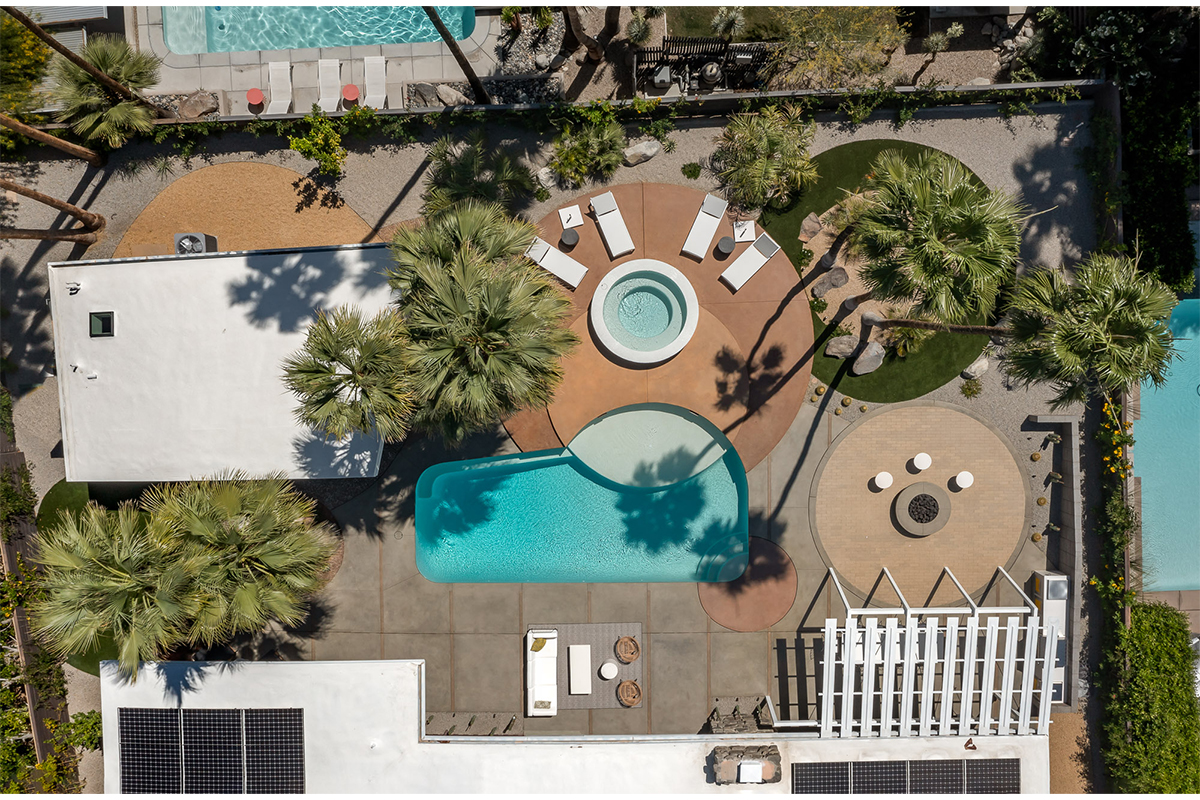
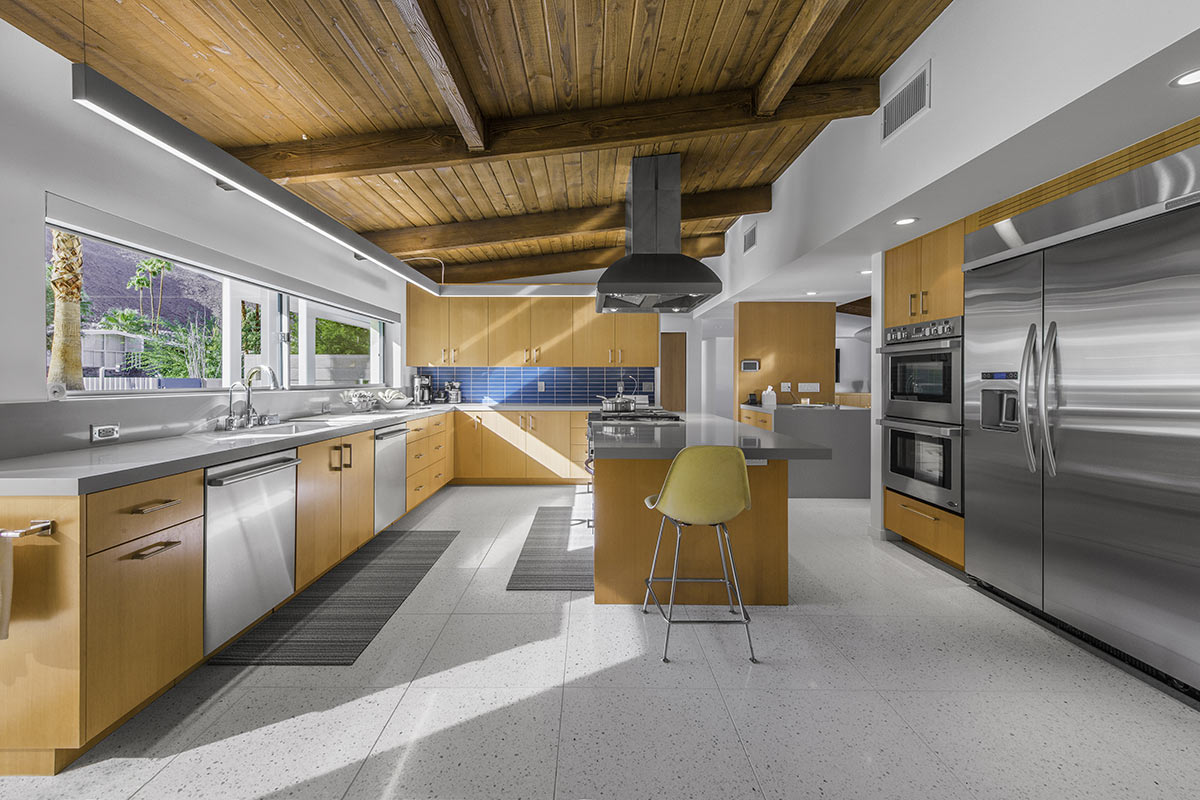
The existing 2,800 SF one-story residence is completely remodeled with new finish materials, fixtures, equipment, and minor flow changes to enhance the interior/exterior connections of the site. The project site improvements included expanding the pool, enlarging the spa, a new bocce ball court, a pool room and a new entry sequence that opens up to the street. Linking the existing residence with the exterior uses was achieved by layering the property from west to east with walls, landscaping, water features and hardscape elements that unify the site as you move through it. The existing residence was then made as porous as possible to weave the exterior and interior spaces together. Large-format terrazzo tiles, vertical-grain Douglas fir cabinetry and colorful Heath tiles provide a consistent palette throughout the interiors.

CATEGORY
INFORMATION
Project Type
Single-Family Residence
Location
Palm Springs, CA
Status
Completed 2014
Size
3,300 sq. feet

Gainsburg House

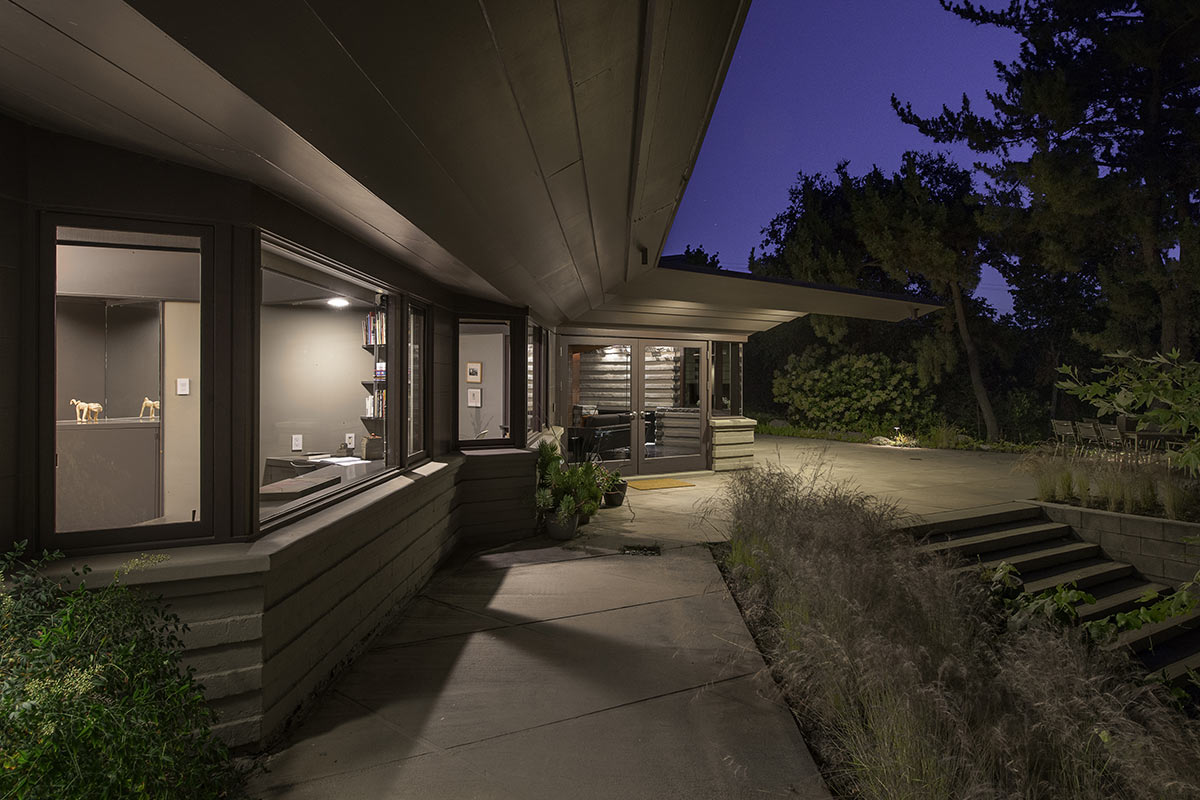
Lloyd Wright, son of Frank Lloyd Wright, designed the low-slung Gainsburg House in 1946 in the spirit of his father’s Usonian House prototypes of the 1930s.

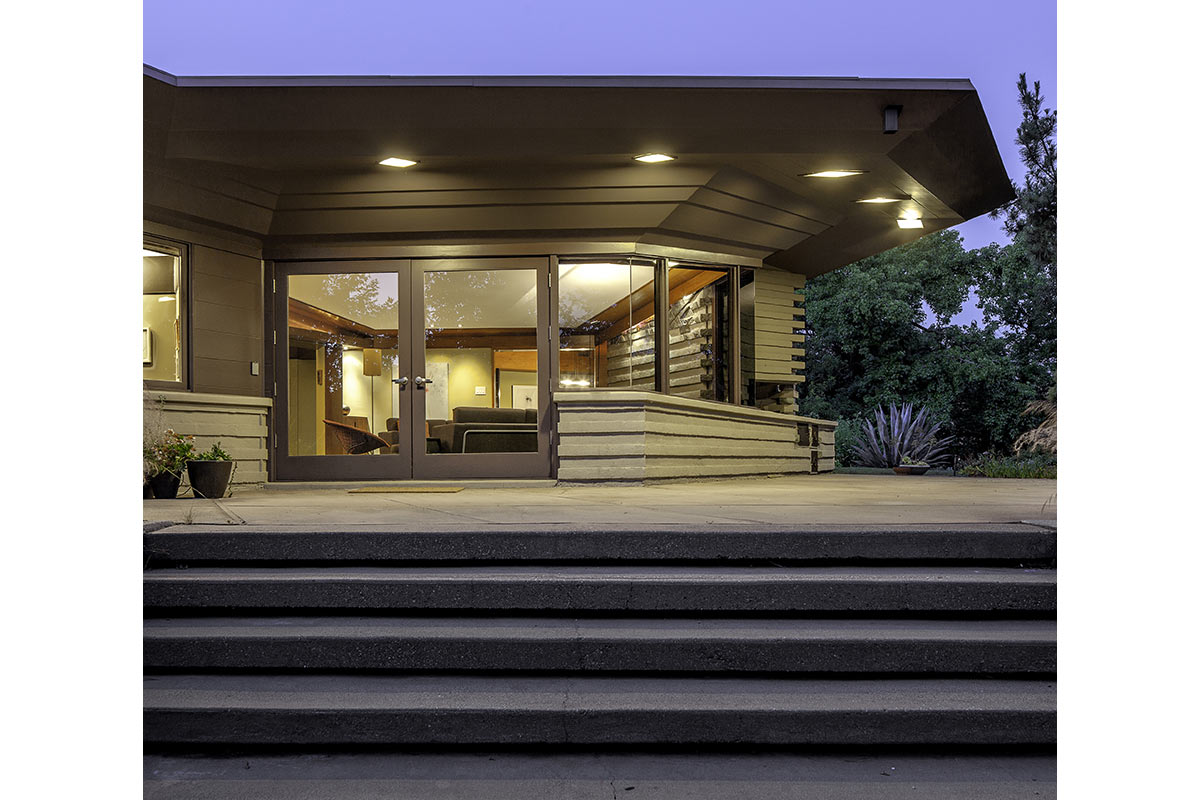
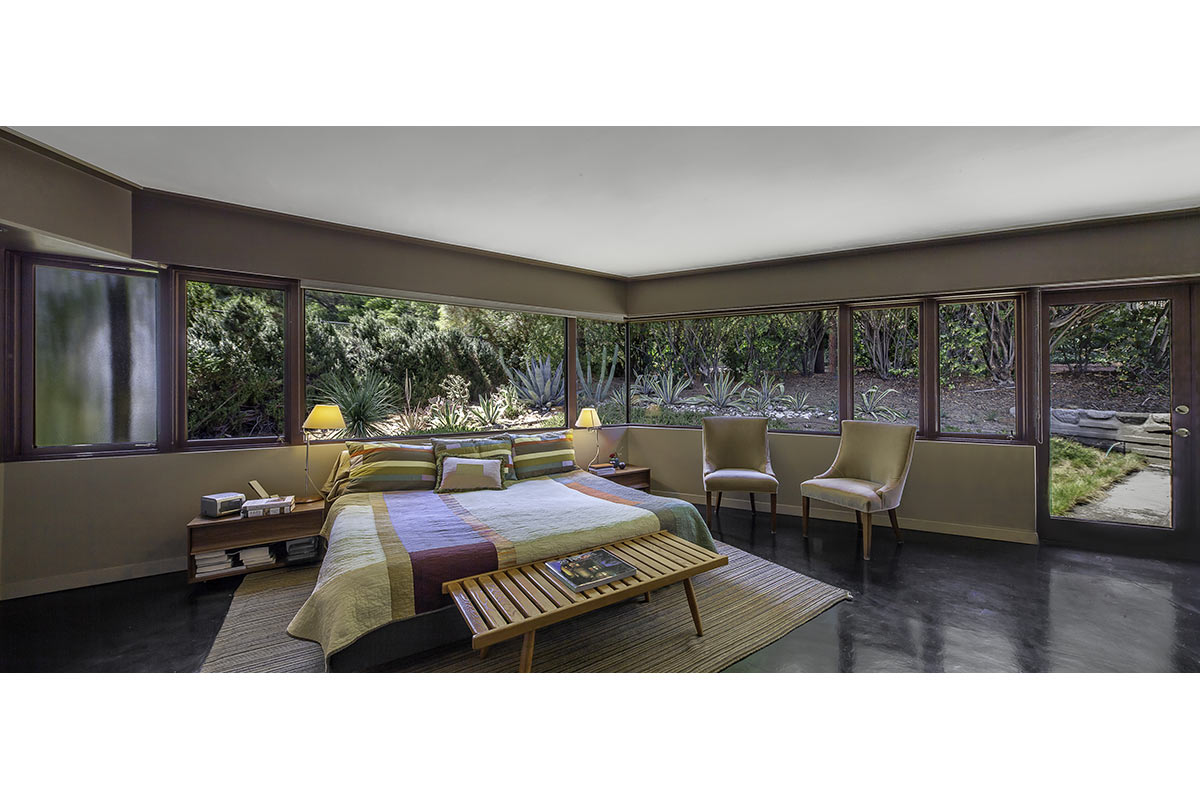
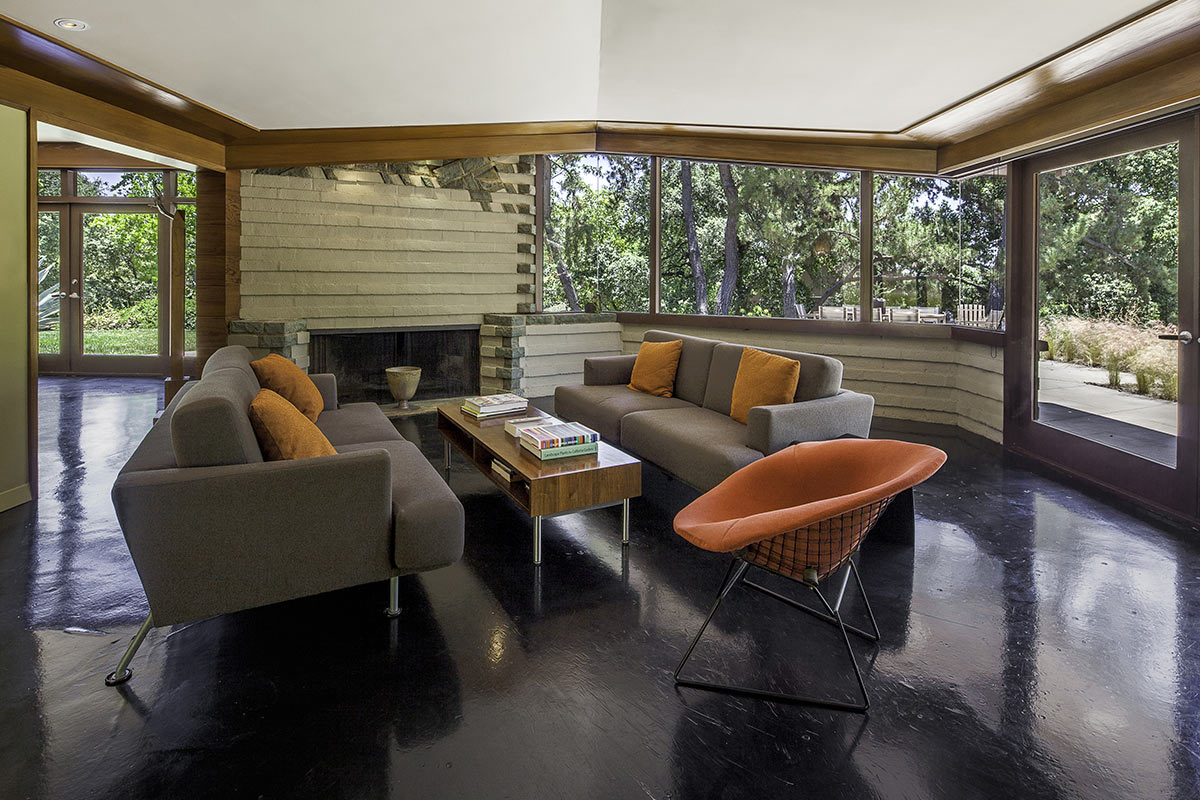
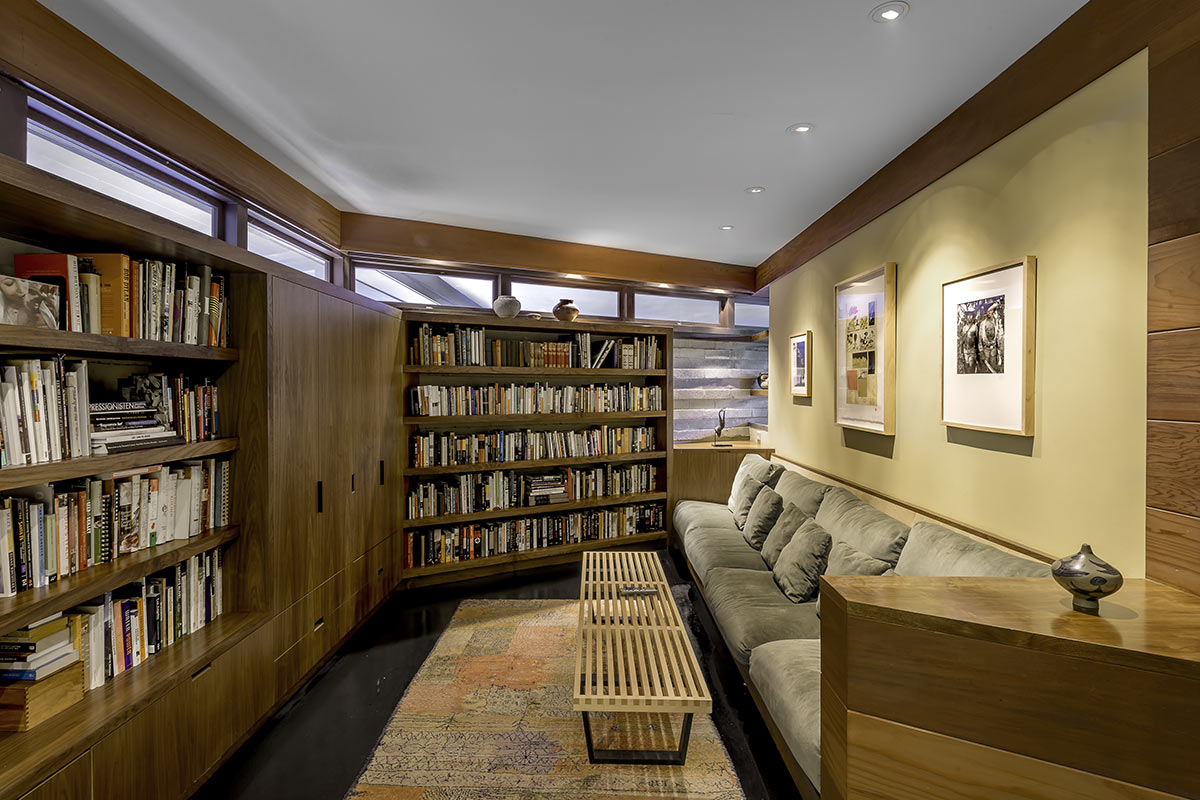
Like those houses, the Gainsburg House was planned close to the land on a triangular grid and constructed with modest materials. The new owners sought to reverse years of insensitive alterations while including a new kitchen, dining and family rooms, updated bathrooms, lighting and finishes, with accommodation for contemporary art display. We introduced a new color palette to distinguish the contemporary work while complementing the original palette of redwood and concrete block. Interestingly, we discovered during demolition that the house originally contained a polychromatic palette and two of Wright’s original colors for the interior were almost identical to the colors selected for the renovation.

In factoring the programmatic issues of light, space and scale together, hue and tone became extremely important, both in the need for exterior and interior colors to harmonize and in creating a distinctive identity for the interior spaces of this home. Wright painted each room a distinctive color. In the renovation, a different color was introduced on individual wall planes within each space to add a subtle rhythm to the interior. Millwork was originally predominantly redwood, with some walnut grain plastic laminate. In the renovation, walnut cabinetry was introduced to clearly yet subtly distinguish the new work from Wright’s original building fabric.

The house was conceived as one area within an overall site geometry and the exterior can be seen from all interior angles and spaces. Our new palette compliments the original finishes and reinforces the existing geometry, enhancing a rhythm that moves throughout the house and engages the landscape in a continuous spatial composition.

CATEGORY
INFORMATION
Project Type
Single-Family Residence
Location
La Cañada Flintridge, CA
Status
Completed July, 2007
Size
3,300 sq. feet

Friedman Residence

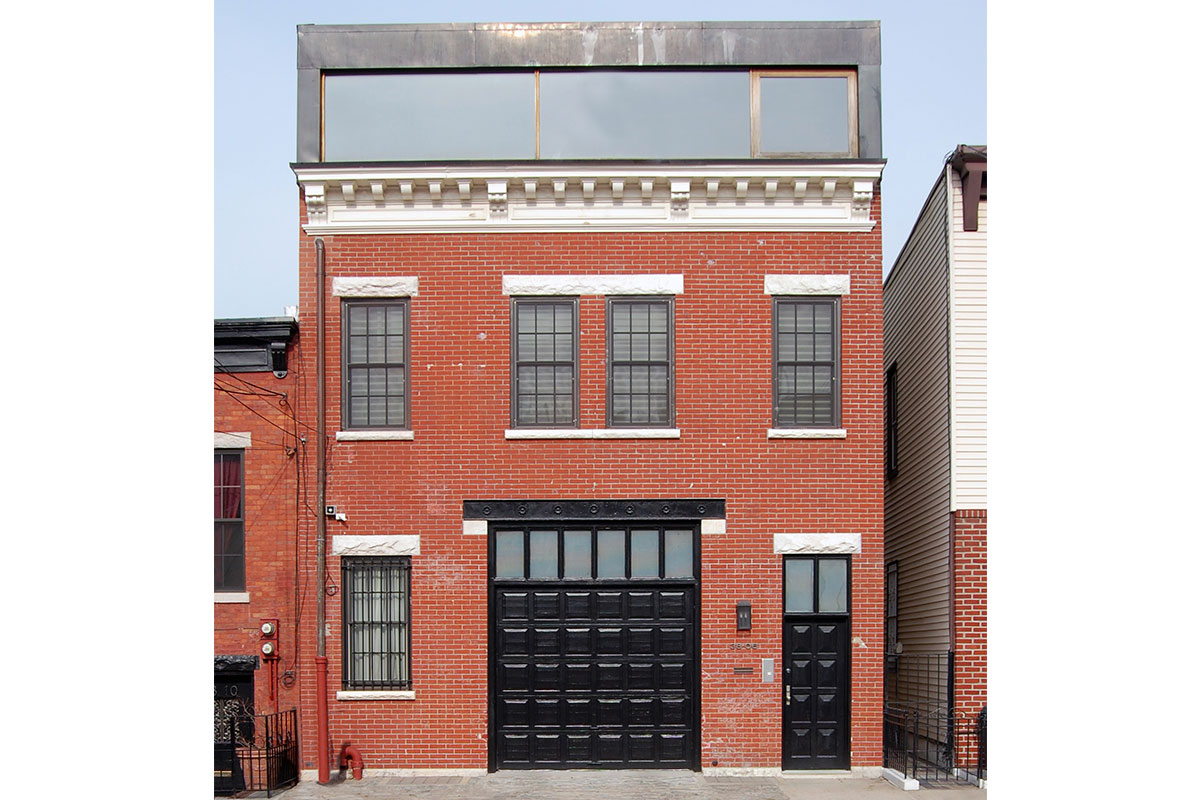
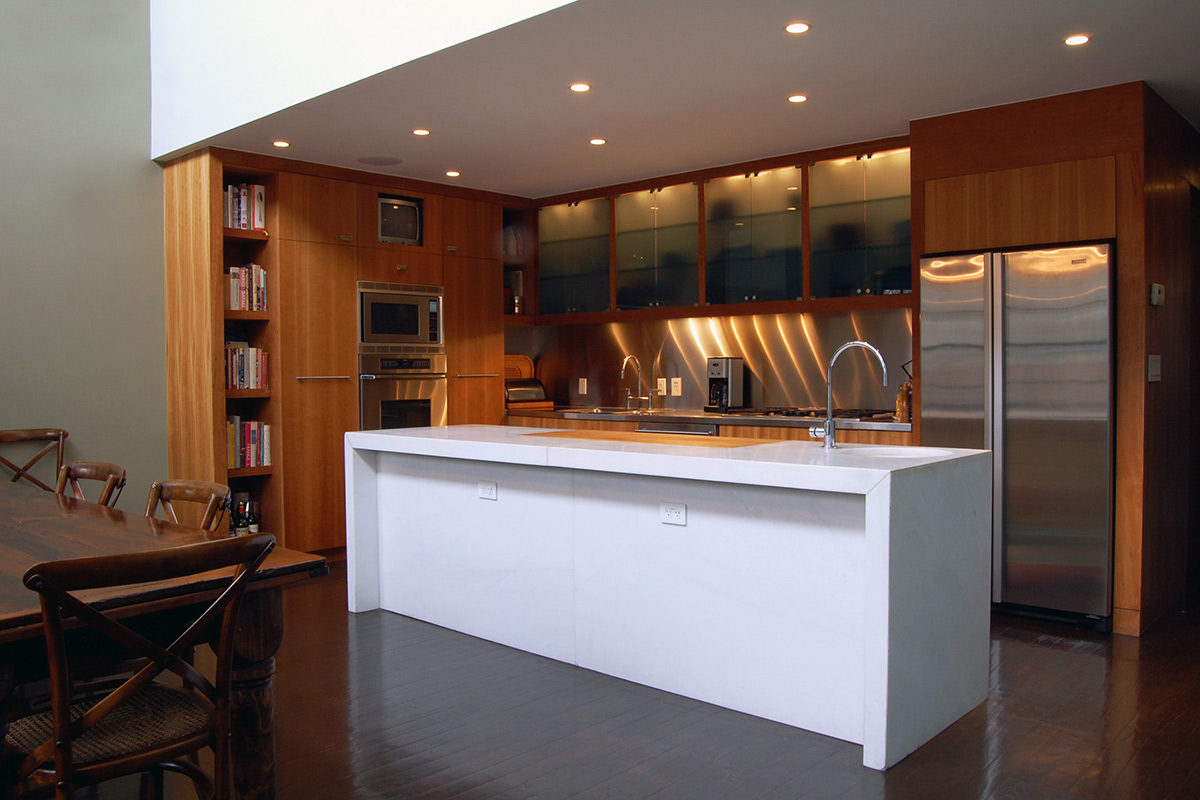
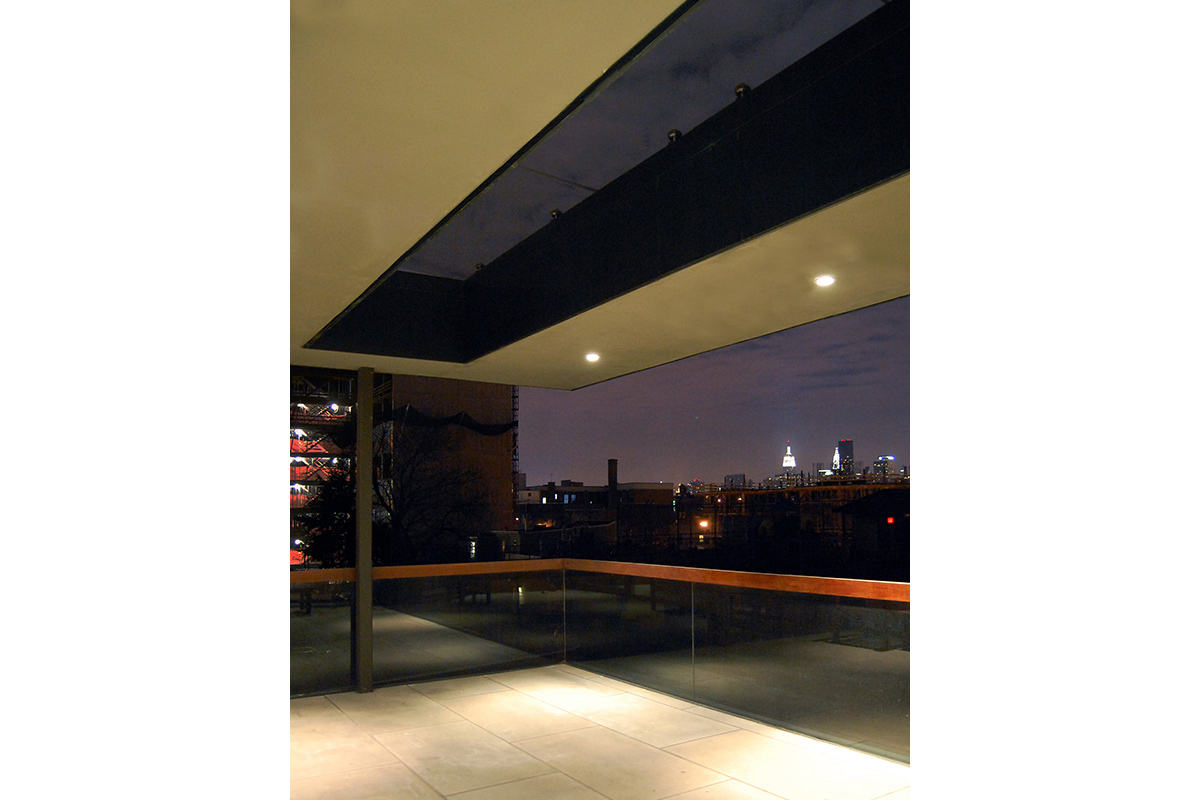
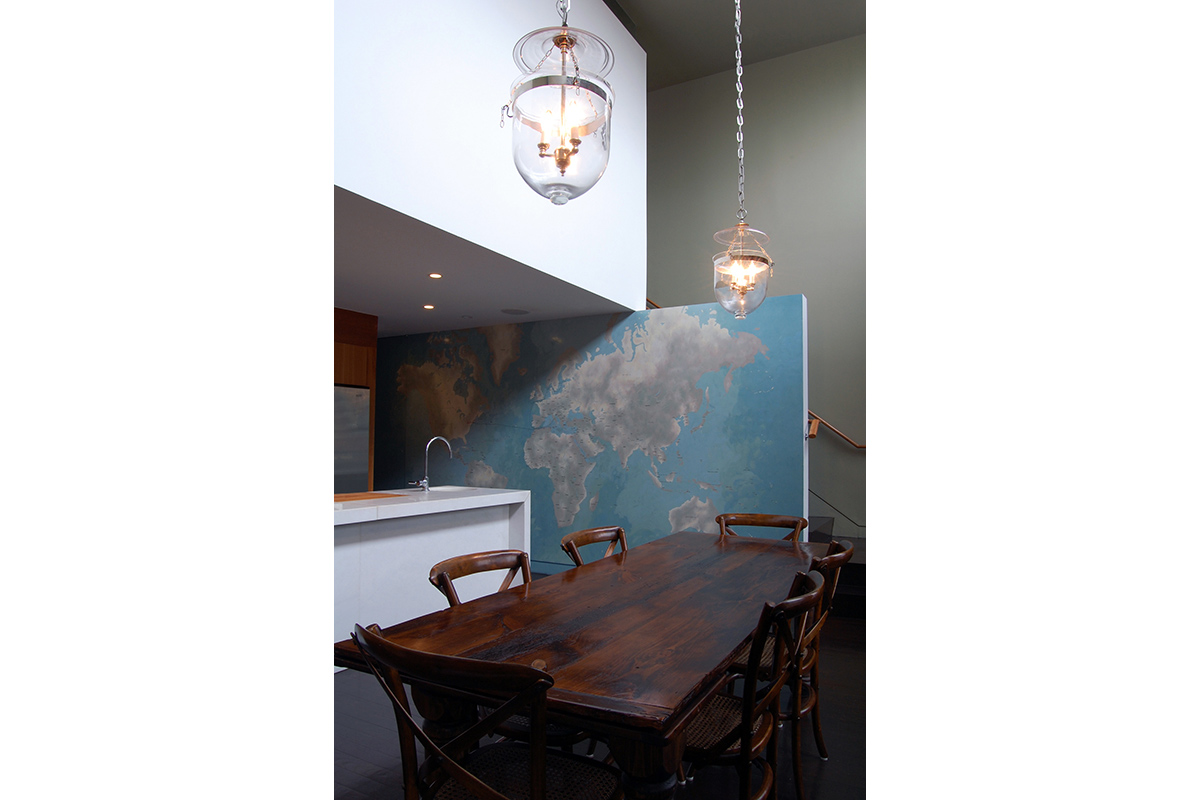
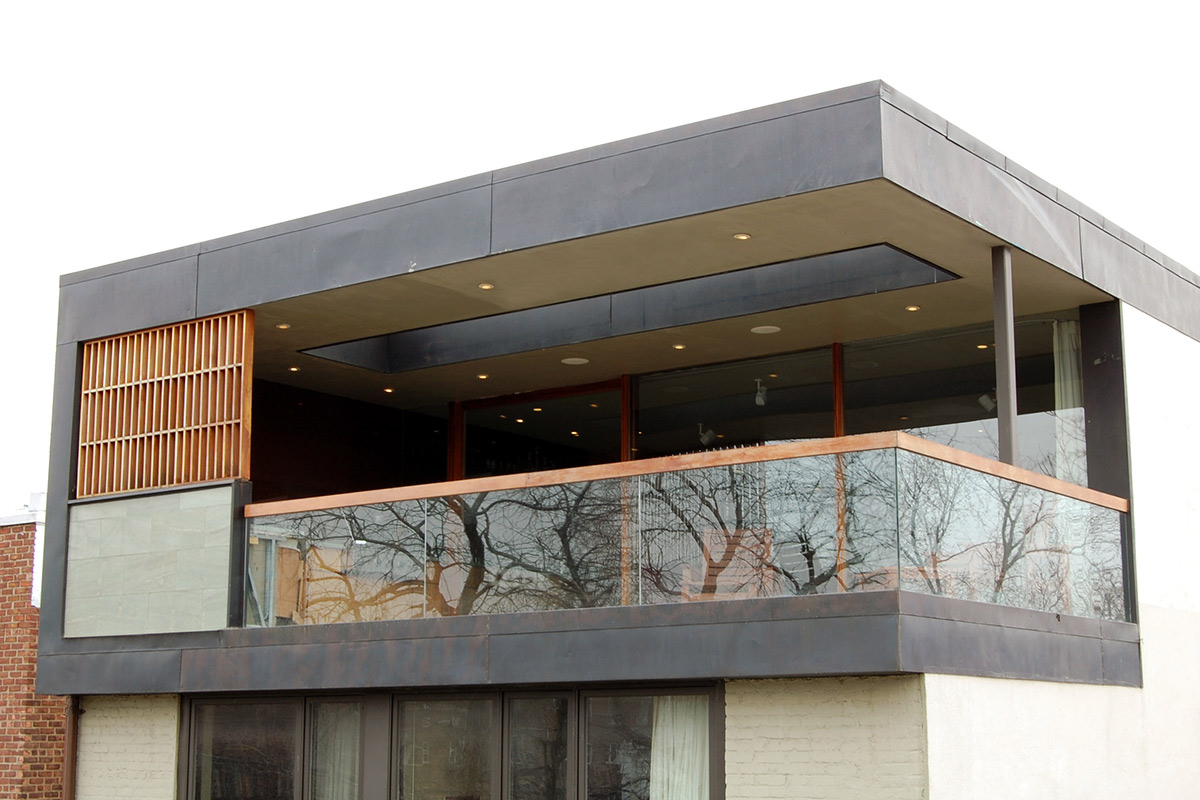
The original two-story structure, built in 1889 as a firehouse for horse-drawn equipment, was converted to residential use in the 1920s. Our renovation is conceived as a vertical procession from street to skyline: a transition from the restored 19th century façade up through a new two-story high dining room, and culminating with a contemporary third story indoor/outdoor living room and terrace, which merges the interior with the Manhattan horizon. The first floor consists of a single car garage and studio apartment with private garden; the second floor includes the dining room, kitchen, powder room, master suite and library; and the living room, semi-enclosed terrace with hot tub, and guest bedroom and bath are located on the third floor. An elevator links all three floors.

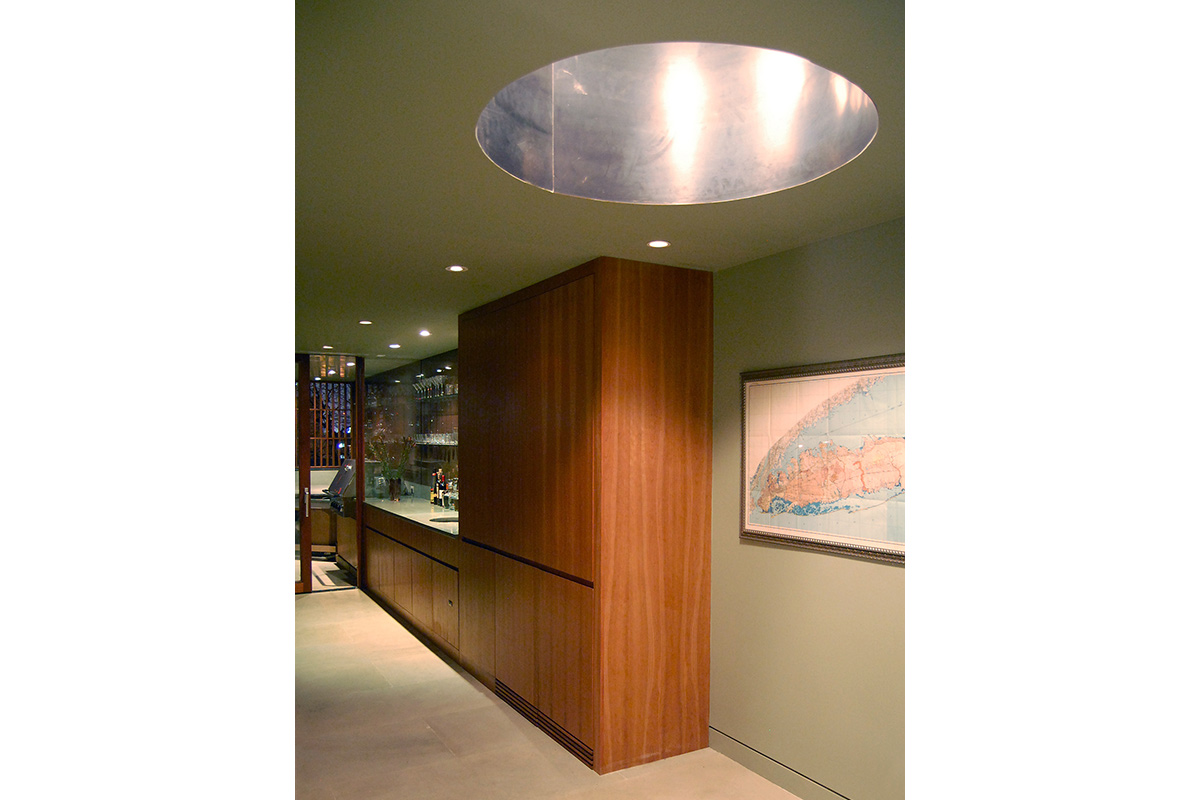
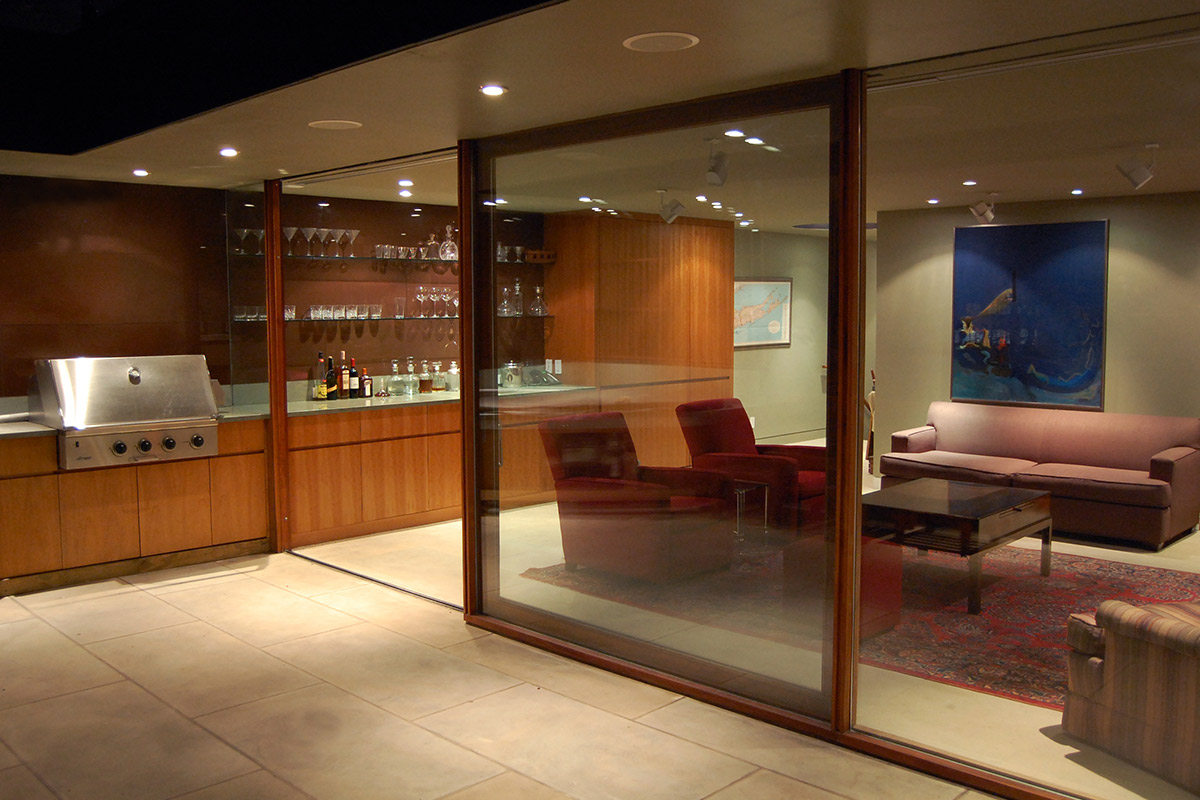
Major materials include limestone and dark-stained oak floors, cherry and dark-stained oak cabinetry, limestone, marble and stainless steel countertops, and bathroom sinks carved from solid blocks of marble. Bathroom walls are finished with either polished green or honed beige limestone slab and matte white subway tile. A third floor wall finished in brown back-painted glass runs from the living room bar to the semi-enclosed outdoor terrace. Exterior fascias and trim are finished in Nordic Brown copper. Third floor custom sliding doors, window, and guardrail trim are oiled mahogany.

CATEGORY
INFORMATION
Project Type
Single-Family Residence
Location
Long Island City, NY
Status
Completed 2006
Size
3,800 sq. feet

Freeman Jardini Studio

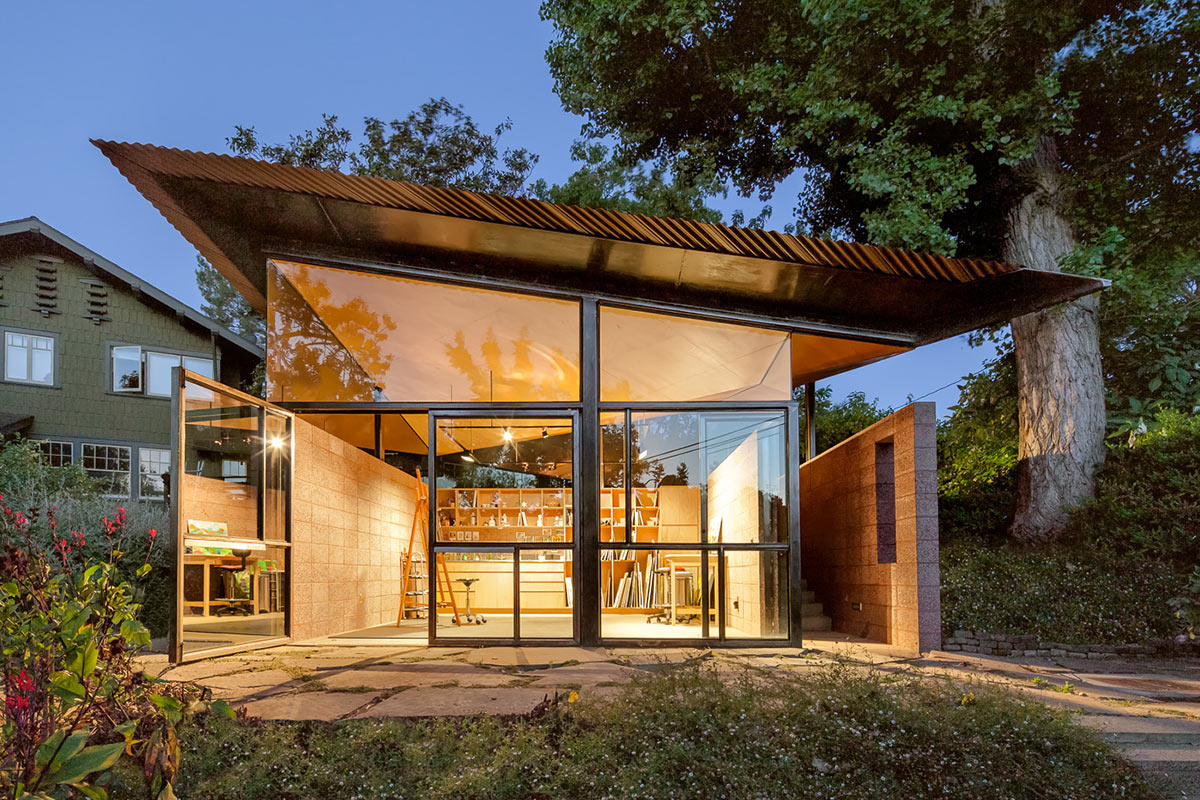
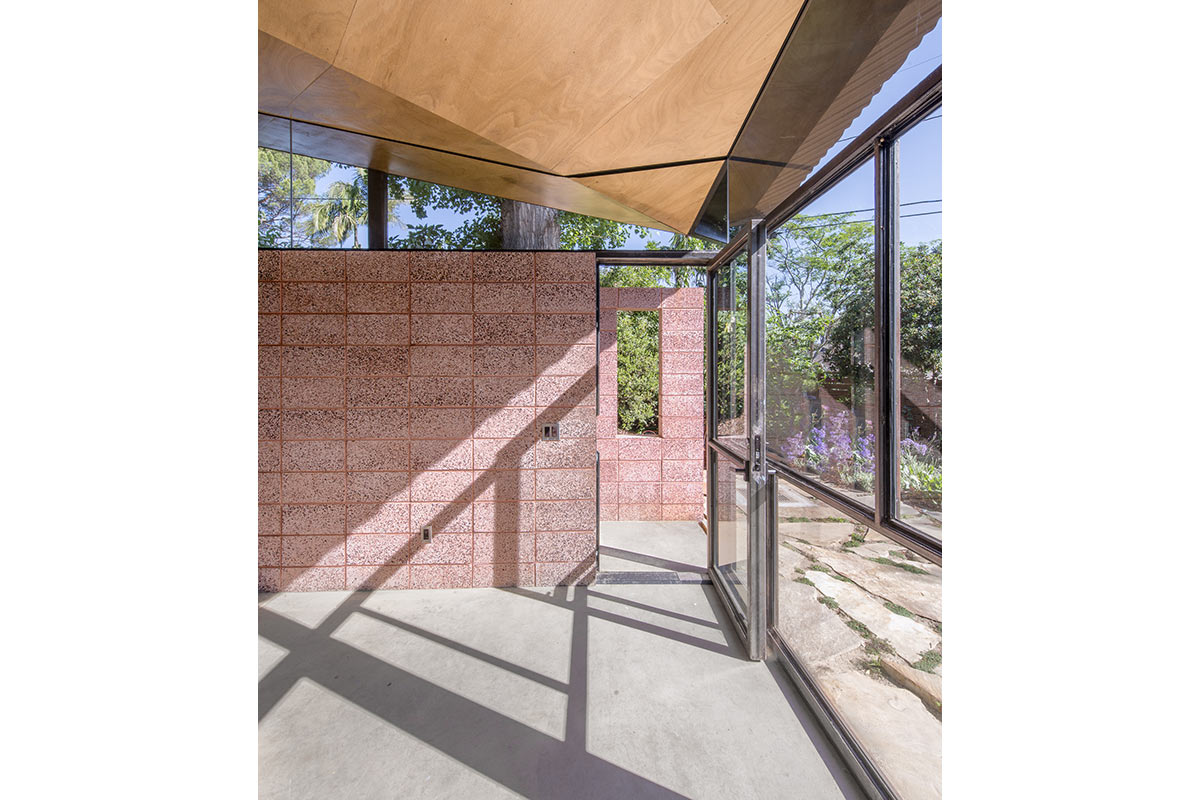
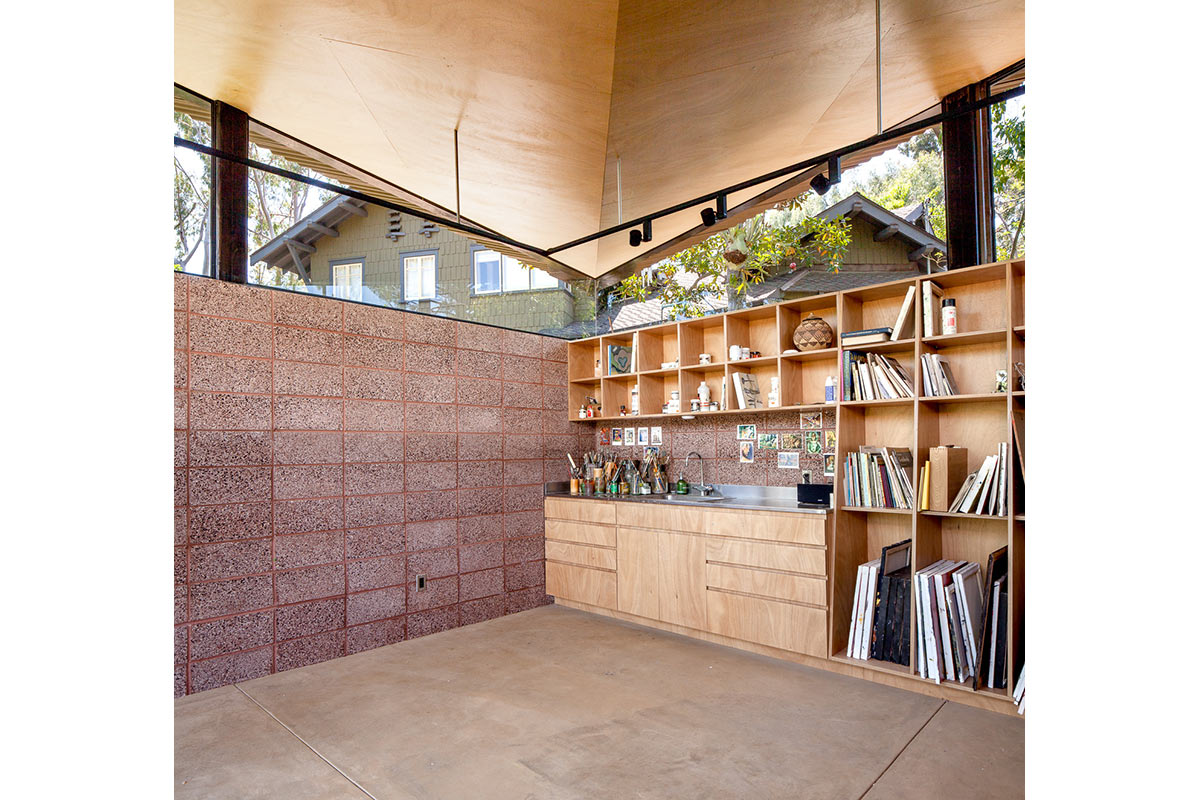
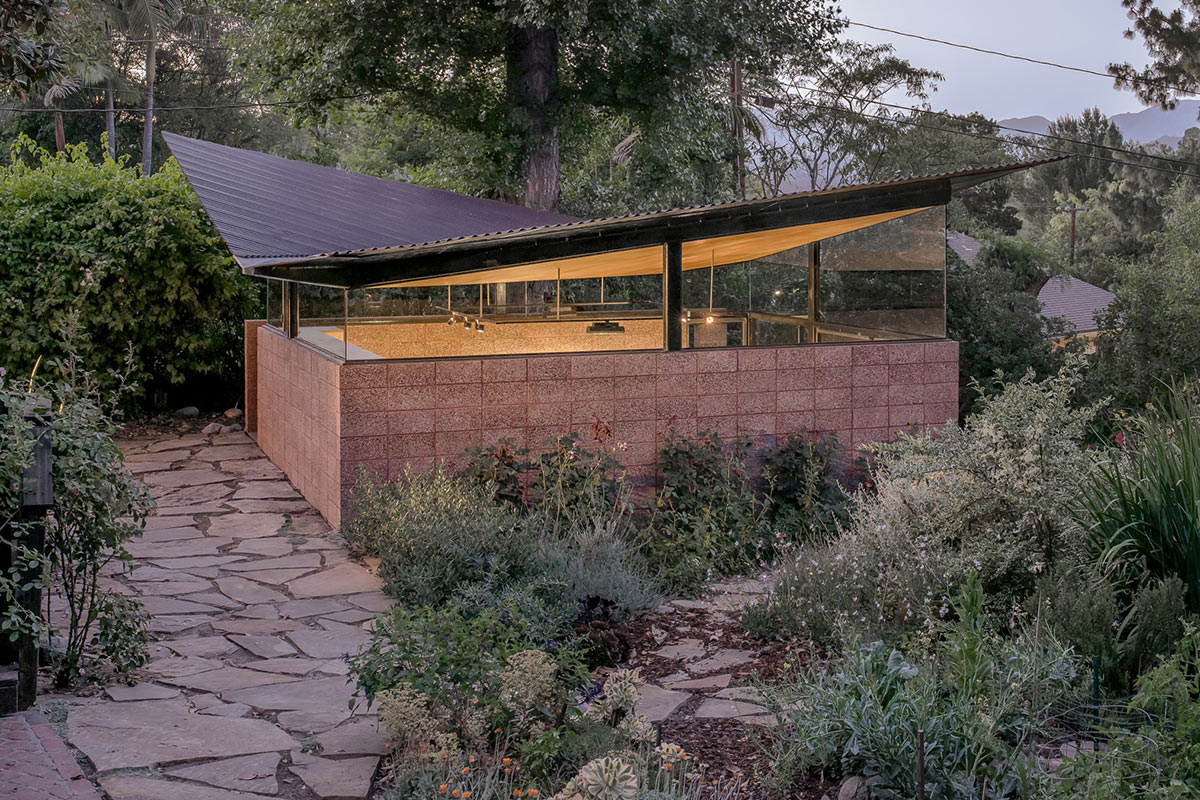
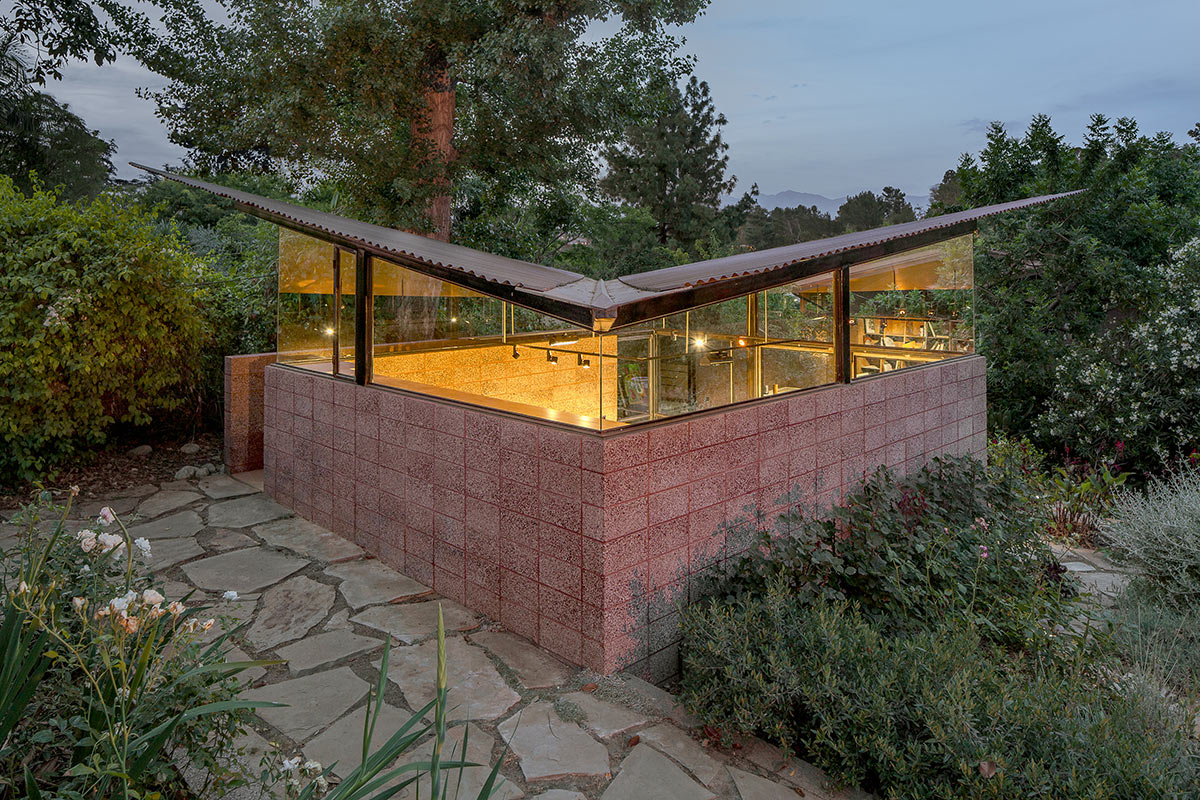
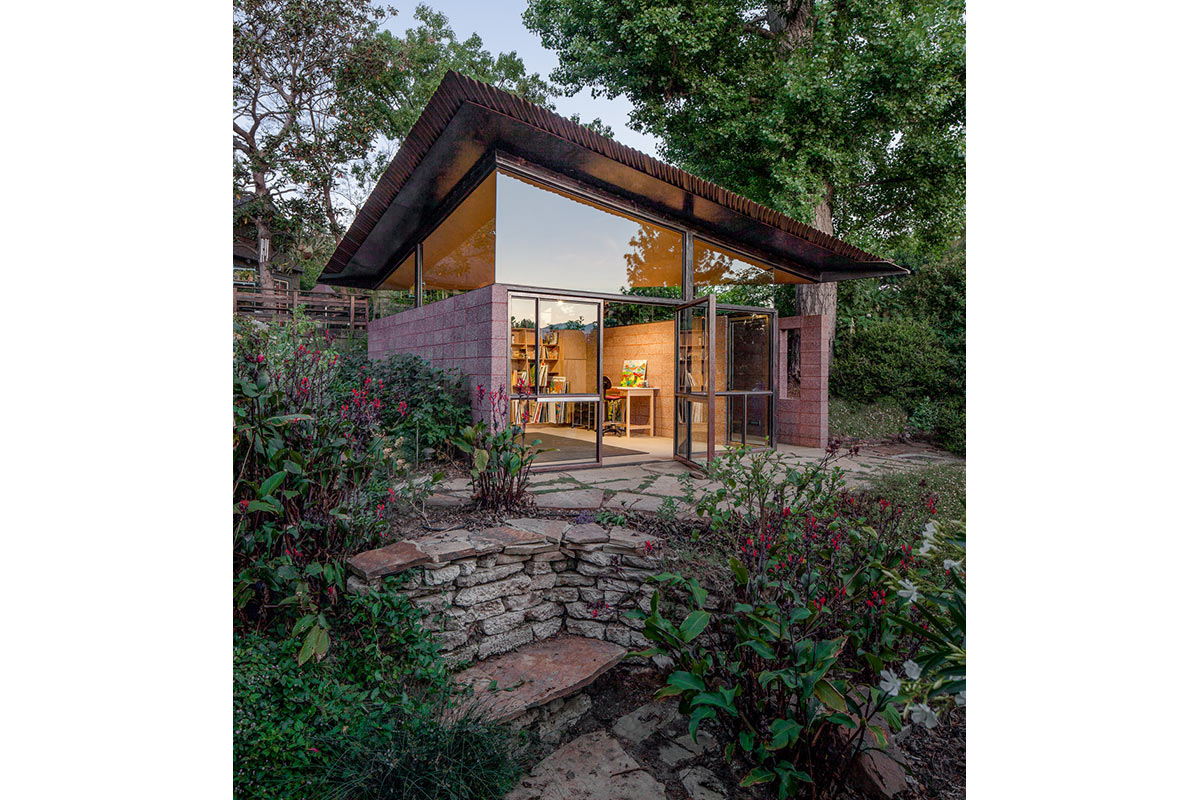
The program is a free-standing painting and drawing studio, distinctly contemporary but complementary to the existing historic shingle-style residence: the J.B. Merrill House by H.M. Patterson (1909), designated as an LA Historical-Cultural Monument. We positioned the studio to the edge of the property and set it into the slope of the site to maintain views of the site from the main house. A new courtyard links the studio with the existing deck. Together the sequence from house to deck to courtyard to breezeway to studio interior is a choreography of movement and space, seamlessly integrating site, topography, and horizon. A tectonic idea allows achievement of the site intentions: the thin, wing-like steel roof — a square folded upward along the diagonal — floats above the cave-like masonry enclosure, allowing transparency from house and deck through the studio clerestories, toward the landscape beyond. There is no active heating or cooling system; natural cross-ventilation, deep overhangs, lush site microclimate, and the thermal mass of walls, floor, and site keep the studio workspace comfortable year-round.

CATEGORY
INFORMATION
Project Type
Free-Standing Art Studio
Location
Mt. Washington, Los Angeles, CA
Status
Completed 2012
Size
400 sq. feet